_(8988707577).jpg&width=800)





Thistle Stem Gall Fly
Urophora cardui
The Thistle Stem Gall Fly is a tiny insect that makes special bumps called galls on thistle plants. These galls are like cozy homes for the fly's babies to grow in!
Habitat: Grasslands
The Thistle Stem Gall Fly is a small fly with a dark, robust body, often appearing brownish-black. Its most distinctive feature is its wings, which are patterned with dark bands and clear spots, giving them a mottled, checkered look. This wing pattern helps distinguish it from other small flies.
Category
InsectsRarity
Common
Danger
1/5 · Very low
Snaps
Be the first to snap!
Baby gall flies munch their way out of their plant home when grown!
Each thistle gall can hold several baby flies growing safely inside!
Scientists sometimes use these flies to help control invasive thistles!
Their nurseries are actually bumps growing right on a thistle stem!
Thistle Stem Gall Fly larvae can create sturdy plant galls that shelter and feed them as they grow.
Thistle Stem Gall Fly injects special chemicals that trick thistle plants into growing protective galls.
Adult flies sip plant nectar, while their larvae feast on the nourishing insides of thistle stems.
Age differences: Adults consume liquid sugars, while larvae feed on solid plant tissue within galls.
Cirsium arvense
Larvae consume stem tissue, forming galls for shelter and food.
Eurytoma robusta
The wasp lays eggs in the gall, and its larvae eat the fly larvae.
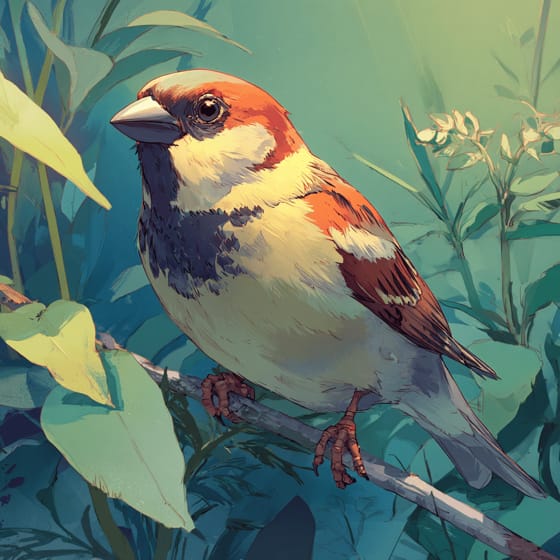
Passer domesticus
Birds may pick open galls to eat the fly larvae inside.
Solitary animals live alone for most of their lives, only interacting with others for mating or parental care.
Grassland habitats are terrestrial biomes dominated by grasses and herbaceous plants, supporting a variety of grazing animals.
This trait characterizes organisms whose diet consists entirely or primarily of plant material.
Describes a species whose presence and role have a disproportionately large effect on its environment.

Pertaining to species that are significantly smaller than typical or average for their kind.

Describes organisms that transfer pollen, enabling the fertilization and reproduction of plants.
No aliases listed yet.
Danger
1/5 · Very low
Don't touch the galls without asking an adult, as they are part of the plant's life.
The easiest way to identify Thistle Stem Gall Fly is to use the Snappit nature identifier app.
6-10 mm
3-5 mm
10-30 days
Adult flies sip plant nectar, while their larvae feast on the nourishing insides of thistle stems.
Grasslands
6
Zoom in to split clusters and explore where this object has been snapped.
Recent snaps will appear here as new observations are added.
Take the discovery with you
Snap it with Snappit to identify it, learn what makes it special, and add the discovery to your collection.







.jpg&width=800)



