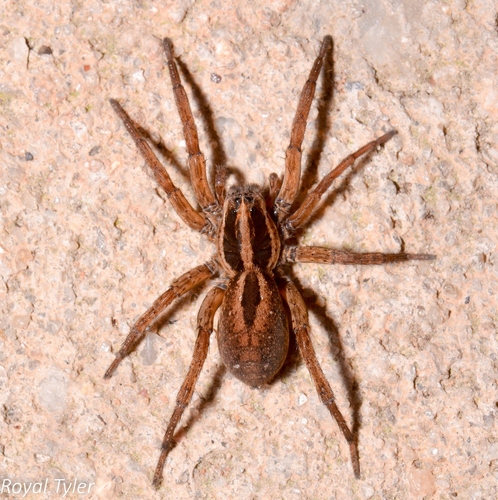


Tigrosa Annexa
tigrosa annexa
Tigrosa annexa is a fascinating and robust species of wolf spider found throughout North America. Belonging to a genus whose name roughly translates to 'fierce as a tiger,' these spiders are highly adept, wandering hunters that do not rely on webs to catch their meals. Instead, they patrol the ground, utilizing exceptional vision, speed, and agility to track down prey. Despite their somewhat intimidating name and rapid movements, they are generally harmless to humans and shy away from contact. They play a crucial ecological role in natural pest control, keeping populations of grasshoppers, beetles, and agricultural pests in check. Finding one darting through the grass or carrying its young is a rewarding glimpse into the complex micro-world of ground-dwelling arachnids.
Habitat: Typically found in grassy fields, agricultural land, meadows, and open woodlands, actively foraging on the ground or hiding under leaf litter and debris.
Tigrosa annexa features a striking, camouflage-friendly pattern of earthy browns, blacks, and tans. Its most defining characteristic is a distinct, light-colored stripe running down the center of its dark carapace, a hallmark of the Tigrosa genus. Females are visibly larger and more robust than males, typically reaching 1.5 to 2.5 centimeters in body length (excluding legs). Their long, sturdy legs are covered in fine, sensory hairs. Like all wolf spiders, they possess a unique eye arrangement: a bottom row of four small eyes, two prominent, forward-facing eyes in the middle row, and two smaller eyes positioned further back on the head.
Category
InvertebrateRarity
Common
Danger
1/5 · Very low
Snaps
1
Because they do not spin webs, Tigrosa annexa relies entirely on silken draglines to prevent falls and on silk burrows or retreats to sleep safely during the day.
The genus name 'Tigrosa' was officially coined by arachnologists in 2012, grouping several large wolf spiders under a name that means 'fierce as a tiger'.
Unlike most spiders that abandon their young, female wolf spiders are highly dedicated mothers that will fiercely defend the hundreds of babies riding on their abdomen.
They possess a reflective tissue layer behind their eyes called a tapetum lucidum, allowing them to see clearly in near-darkness and causing their eyes to glow brightly when hit by a flashlight.
Equipped with specialized sensory hairs on their legs called trichobothria, they can detect minute vibrations in the ground and air to locate prey or avoid predators.
Females physically attach their silk egg sacs to their spinnerets to carry them, and once hatched, the spiderlings ride safely on their mother's back until their first molt.
Tigrosa annexa is an active, opportunistic predator that hunts down ground-dwelling insects and other small arthropods.
Age differences: Spiderlings start by feeding on tiny insects like springtails, aphids, and fruit flies until they grow large enough to tackle hard-shelled beetles and crickets.

Gryllus pennsylvanicus
A primary prey item hunted by the spider on the grassy forest floor.
Anoplius aethiops
Spider wasps hunt these spiders, paralyzing them to serve as a live food source for their developing larvae.
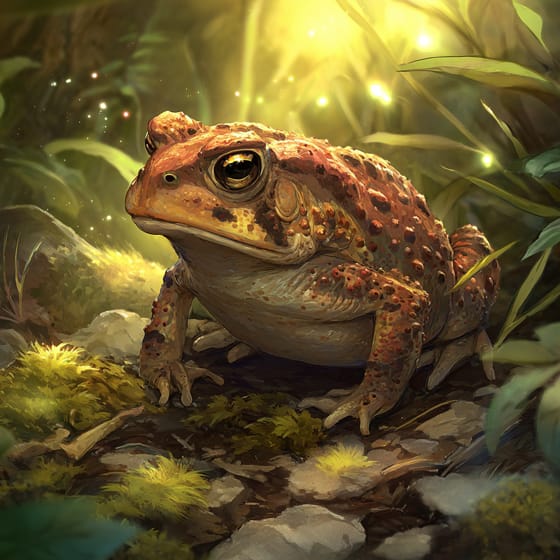
Anaxyrus americanus
Often consumed by ground-foraging amphibians that share the same moist, grassy environments.
No trait badges are assigned for this object yet.
No aliases listed yet.
Collections for this object will appear here as more themes are added.
Danger
1/5 · Very low
No special safety notes yet.
The easiest way to identify Tigrosa Annexa is to use the Snappit nature identifier app.
1-3 cm
0.001-0.003 kg
1-2 years
2 km/h
Tigrosa annexa is an active, opportunistic predator that hunts down ground-dwelling insects and other small arthropods.
Typically found in grassy fields, agricultural land, meadows, and open woodlands, actively foraging on the ground or hiding under leaf litter and debris.
Pursuit
Zoom in to split clusters and explore where this object has been snapped.
Take the discovery with you
Snap it with Snappit to identify it, learn what makes it special, and add the discovery to your collection.