





Fall Field Cricket
Gryllus pennsylvanicus
The Fall Field Cricket is a small, jumping insect that loves to sing at night. They are often found in fields and gardens, making cheerful sounds that remind us of warm evenings.
Habitat: Grasslands
The Fall Field Cricket is typically glossy black or very dark brown, with a smooth, stout body and a large head. It has long, slender antennae and prominent jumping legs, differing from most grasshoppers by its dark coloration and flattened body.
Category
InsectsRarity
Common
Danger
1/5 · Very low
Snaps
3
Female crickets have a long, needle-like tube called an ovipositor to lay their eggs safely underground.
Male crickets have 'ears' located on their front legs to hear other crickets' songs from afar!
Some cultures believe hearing a cricket chirp in your home brings good fortune and prosperity!
You can sometimes estimate the temperature by counting how many times a cricket chirps in 15 seconds!
Fall Field Cricket can sing loudly by rubbing its wings together because this helps attract mates and warn rivals.
Fall Field Cricket has powerful hind legs that help them jump quickly to escape predators or move between plants.
Fall Field Cricket has large compound eyes and long antennae that help them find food and navigate in the dark.
Fall Field Cricket can regrow a lost leg or antenna because this helps them recover from injuries.
These omnivores munch on plants like seeds and grasses, but also small insects and decaying bits.
Sorex cinereus
hunts crickets in fields
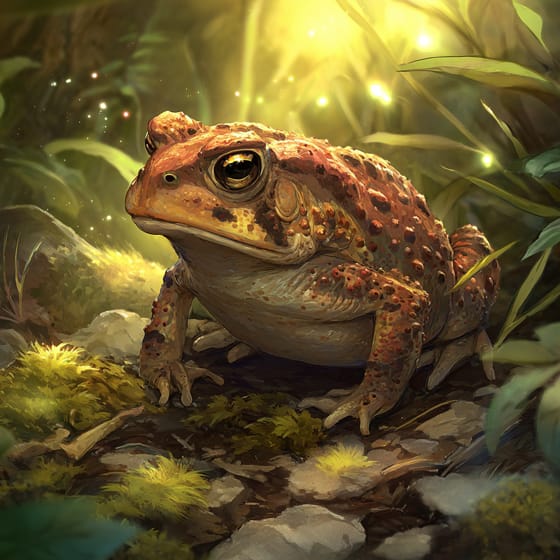
Bufo americanus
preys on crickets for food
Poa annua
eats grass blades and seeds
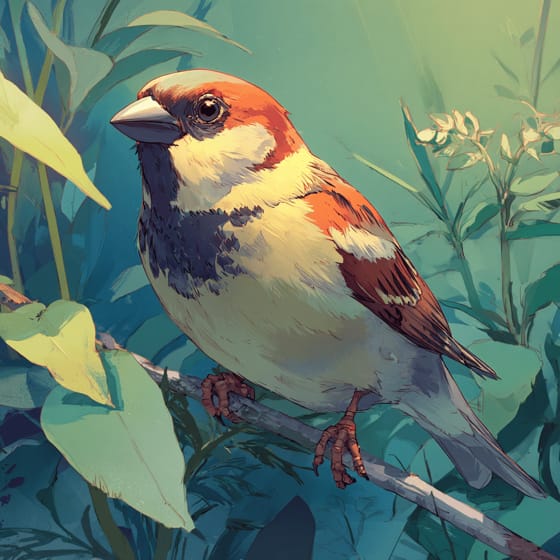
Passer domesticus
forages for insects in yards
Social animals live in organized groups, cooperating for survival benefits such as foraging, defense, and raising offspring.
Singing animals produce complex vocalizations, often for purposes of attracting mates, defending territory, or communicating within their species.
Camouflaged describes organisms that possess coloring or patterns that allow them to blend into their environment.
Grassland habitats are terrestrial biomes dominated by grasses and herbaceous plants, supporting a variety of grazing animals.

This trait characterizes organisms whose diet consists entirely or primarily of plant material.

Describes organisms that break down dead organic material, recycling nutrients back into the ecosystem.

Pertaining to species that are significantly smaller than typical or average for their kind.

Nocturnal animals are primarily active during the nighttime hours, typically resting or sleeping during the day.
No aliases listed yet.
Danger
1/5 · Very low
Crickets are harmless, but it's best to watch them from a distance.
The easiest way to identify Fall Field Cricket is to use the Snappit nature identifier app.
15-25 mm
60-90 days
These omnivores munch on plants like seeds and grasses, but also small insects and decaying bits.
Grasslands
Foraging
6
Zoom in to split clusters and explore where this object has been snapped.

New York, US
You might spot Bald Eagle, Common Eastern Bumble Bee, and Tree-Of-Heaven.
View guide →

New Jersey, US
You might spot Sweet Pepperbush, Sheep Laurel, and Pickerelweed.
View guide →

Massachusetts, US
You might spot Long-Tailed Duck, American Herring Gull, and Purple Martin.
View guide →
Take the discovery with you
Snap it with Snappit to identify it, learn what makes it special, and add the discovery to your collection.







.jpg&width=800)




