





Tortoise Bug
Eurygaster testudinaria
The Tortoise Bug is a small, round insect that looks like a little tortoise! It has a hard shell and loves to hide among plants. These bugs are great at blending in with their surroundings.
Habitat: Urban areas
The Tortoise Bug has a unique, highly convex, shield-shaped body that strikingly resembles a tiny tortoise shell. Its mottled brown, grey, or yellowish colors help it blend perfectly with soil or dry vegetation. A large scutellum covers most of its back, giving it a smooth, armored look.
Category
InsectsRarity
Common
Danger
1/5 · Very low
Snaps
Be the first to snap!
Even with a bulky shell, these amazing bugs are quite good at flying.
Their shield-like body is so convincing, it fools many hungry predators!
They belong to a group called "shield bugs" for their tough, armored shape!
Tortoise Bugs hibernate as adults, sleeping through winter hidden under leaves!
Tortoise Bugs have a super hard, dome-shaped shell that protects them from hungry birds and other dangers.
Tortoise Bugs have a mottled, shield-shaped body that mimics dead leaves or soil, helping them hide unseen from predators.
When threatened, Tortoise Bugs can release a foul-smelling liquid that makes predators think twice before taking a bite.
These tiny bugs drink plant juices from various grasses and important cereal crops.
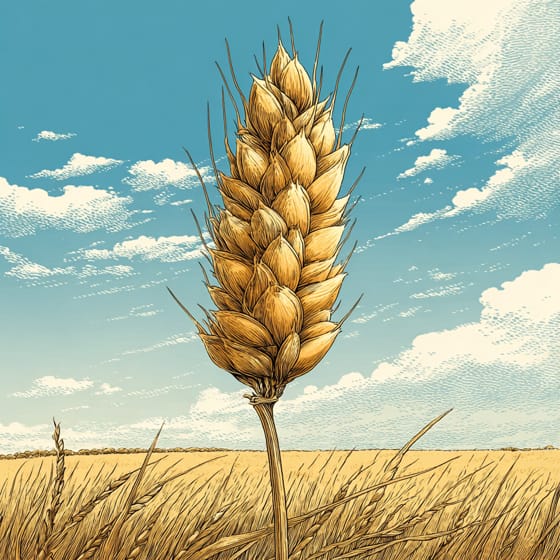
Triticum aestivum
Adults and nymphs feed on the sap of wheat plants.
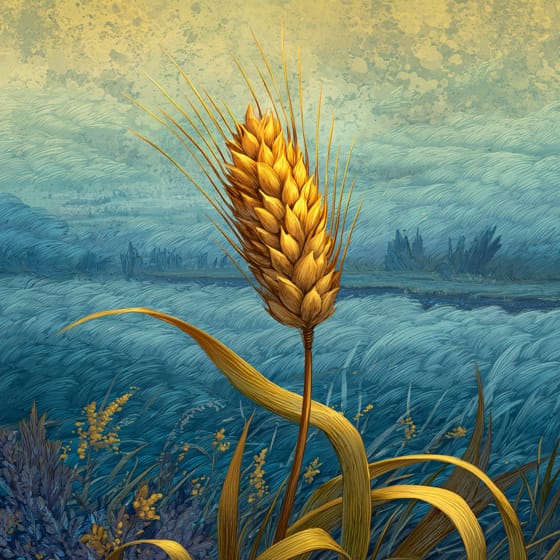
Hordeum vulgare
They extract nutrients by piercing barley stems and leaves.
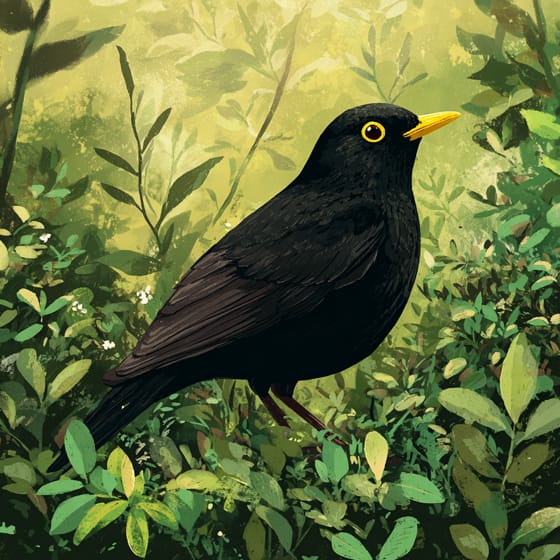
Turdus merula
Insectivorous birds, like blackbirds, sometimes prey on adult bugs.
Trissolcus grandis
This tiny wasp lays its eggs inside the eggs of Tortoise Bugs.
Solitary animals live alone for most of their lives, only interacting with others for mating or parental care.
Camouflaged describes organisms that possess coloring or patterns that allow them to blend into their environment.
This trait characterizes organisms whose diet consists entirely or primarily of plant material.
Armored describes animals protected by a hard, external covering or shell for defense.

Diurnal animals are primarily active during daylight hours, typically resting or sleeping at night.

This habitat trait indicates species that can coexist with humans in urban and suburban environments, utilizing man-made structures and green spaces.

Describes organisms that transfer pollen, enabling the fertilization and reproduction of plants.
No aliases listed yet.
Danger
1/5 · Very low
It's best to observe Tortoise Bugs from a distance and not touch them.
The easiest way to identify Tortoise Bug is to use the Snappit nature identifier app.
15-25 mm
7-11 mm
180-300 days
These tiny bugs drink plant juices from various grasses and important cereal crops.
Urban areas
Foraging
6
Zoom in to split clusters and explore where this object has been snapped.
Recent snaps will appear here as new observations are added.
Take the discovery with you
Snap it with Snappit to identify it, learn what makes it special, and add the discovery to your collection.







.jpg&width=800)




