



Tube Worm
Hydroides elegans
Tube worms are fascinating creatures that live deep in the ocean. They build long tubes out of minerals and can survive in extreme conditions where other animals can't. These worms don't have eyes or mouths but can still thrive in their unique underwater homes.
Habitat: Deep Sea
The Tube Worm has a hard, white, calcium carbonate tube, often coiled or twisted, with a feathery crown of colorful tentacles. Its crown can display vibrant shades of orange, red, or white, extending from the tube's opening to filter food.
Category
InvertebrateRarity
Common
Danger
1/5 · Very low
Snaps
Be the first to snap!
Despite being stuck in one spot, their babies can swim freely to new homes.
If danger approaches, they can instantly pull their feathery head into their tube!
These worms make their own strong, chalky homes to stay safe from hungry fish.
Tube worms help keep ocean water clean by filtering tiny bits of food from it.
Tube Worm can quickly build a strong, protective tube made of calcium carbonate that helps them anchor securely to surfaces.
Tube Worm can instantly retract its delicate feathery crown into its hard tube to escape danger.
Tube Worm can regrow its feathery crown if it's damaged or lost, helping it recover from attacks.
These worms filter tiny plankton and organic particles from the water.
Age differences: null
Diplodus sargus
Fish graze on their exposed feathery crowns.

Carcinus maenas
Crabs dislodge and consume the worms from surfaces.
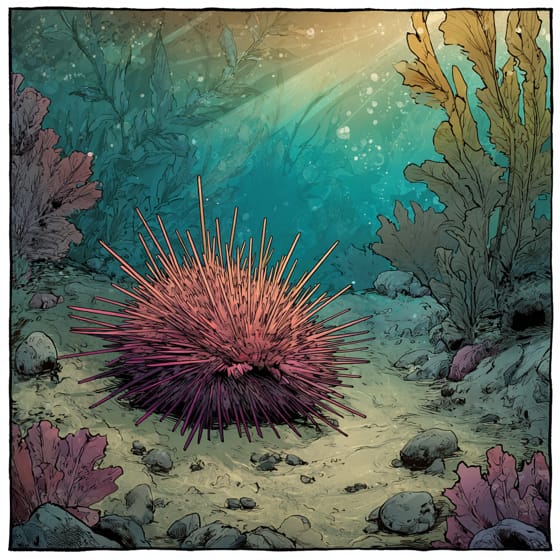
Paracentrotus lividus
Sea urchins can scrape and consume their calcified tubes.
Camouflaged describes organisms that possess coloring or patterns that allow them to blend into their environment.
Deep sea habitats are characterized by extreme pressure, darkness, and cold temperatures, supporting unique life forms below the sunlit zone.
A fossil is the preserved remains or traces of an ancient organism embedded in rock or other geological deposits.
Natural refers to organisms, materials, or phenomena existing or produced by nature, not artificially created.
No aliases listed yet.
Danger
1/5 · Very low
Tube worms live in the deep ocean where it's not safe for humans to explore. It's best to admire them from pictures or videos.
The easiest way to identify Tube Worm is to use the Snappit nature identifier app.
3 cm
0.5 g
2 years
These worms filter tiny plankton and organic particles from the water.
Deep Sea
Filter Feeding
Zoom in to split clusters and explore where this object has been snapped.
Recent snaps will appear here as new observations are added.
Take the discovery with you
Snap it with Snappit to identify it, learn what makes it special, and add the discovery to your collection.