





Typical Iguanas
Iguana
Iguanas are large, green reptiles that love to bask in the sun. They have long tails and can climb trees very well, making them great at hiding from predators.
Habitat: Forests
The Typical Iguanas has a vibrant green body, a prominent dewlap under its chin, and a row of spiky scales along its back. Its long tail often features dark bands and is visually distinct from most other lizards due to its size and crest.
Category
ReptilesRarity
Common
Danger
2/5 · Low
Snaps
Be the first to snap!
Iguanas communicate using head bobs and by extending their throat dewlap!
Iguanas swallow small stones to help grind tough plants in their stomach!
Some iguanas can hold their breath underwater for an amazing 30 minutes!
They can fall from 15 meters high without injury, thanks to their tough bodies!
Typical Iguanas can drop their tail if caught, which helps them escape from predators and grow a new one later.
Typical Iguanas have a 'third eye' on their head that senses light changes, helping them detect predators from above.
Typical Iguanas can sneeze out excess salt from their bodies, which helps them regulate their internal water balance.
They mostly munch on leaves, flowers, and fruits, helping to spread seeds.
Age differences: Young iguanas may occasionally eat insects, but adult iguanas are strictly herbivorous.
Boa constrictor
Large snakes prey on iguanas and their eggs.
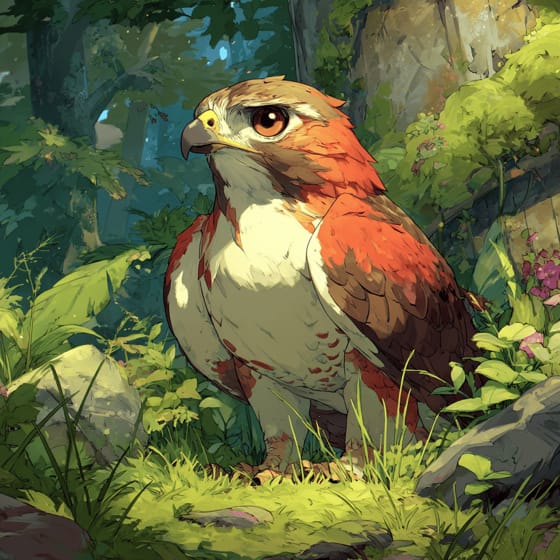
Buteo jamaicensis
Predatory birds snatch young iguanas from trees.
Ficus obtusifolia
Iguanas feed on the leaves and fruits of various fig species.
Social animals live in organized groups, cooperating for survival benefits such as foraging, defense, and raising offspring.
Arboreal animals live primarily in trees, utilizing them for shelter, food, and protection from predators.
Camouflaged describes organisms that possess coloring or patterns that allow them to blend into their environment.
Colorful describes organisms or objects displaying a wide range of bright and distinct colors.

This trait characterizes organisms whose diet consists entirely or primarily of plant material.

Forest habitats are terrestrial environments dominated by dense tree cover, supporting a high diversity of plant and animal life.

Diurnal animals are primarily active during daylight hours, typically resting or sleeping at night.

Describes a species whose presence and role have a disproportionately large effect on its environment.

Threatened status denotes a species likely to become endangered in the foreseeable future without effective conservation interventions.
No aliases listed yet.
Danger
2/5 · Low
Always watch iguanas from a distance and never try to touch them in the wild.
The easiest way to identify Typical Iguanas is to use the Snappit nature identifier app.
150-180 cm
4-8 kg
15-20 years
12 km/h
They mostly munch on leaves, flowers, and fruits, helping to spread seeds.
8 km/h
Forests
Zoom in to split clusters and explore where this object has been snapped.
Recent snaps will appear here as new observations are added.
Take the discovery with you
Snap it with Snappit to identify it, learn what makes it special, and add the discovery to your collection.











