





Typical Sawflies
tenthredinoidea
Typical sawflies are fascinating insects that resemble wasps! They have unique, soft bodies and are often found munching on leaves.
Habitat: Forests, gardens, and grassy areas.
The Typical Sawflies has a stout, somewhat cylindrical body, often black or brown, sometimes with yellow or orange markings. Unlike true wasps, it lacks a distinct "wasp waist." Its wings are usually held flat or slightly tent-like over its back, not folded.
Category
InsectsRarity
Common
Danger
1/5 · Very low
Snaps
Be the first to snap!
Many female sawflies can lay eggs without ever needing a male partner to fertilize them!
Some baby sawflies wiggle their tails like snakes to scare hungry birds away!
Their "saw" for egg-laying is actually part of their body, not a separate tool.
Unlike most insect larvae, some sawfly larvae are social and live in large groups!
Typical Sawflies can "saw" slits into plant stems or leaves with a special egg-laying tool because this helps them securely deposit eggs.
Typical Sawflies larvae look like caterpillars but have more than five pairs of stubby prolegs, which helps them cling to leaves.
Typical Sawflies larvae can secrete foul-smelling fluids from their mouths because this helps them deter hungry birds and other predators.
Sawflies are mostly plant eaters, munching on leaves, needles, and various plant parts.
Age differences: Larvae consume plant leaves and needles; adults may feed on nectar or not at all.
%2C_Parc_de_Woluw%C3%A9%2C_Brussels_(13042792905).jpg&width=800)
Parus major
Birds often prey on larvae
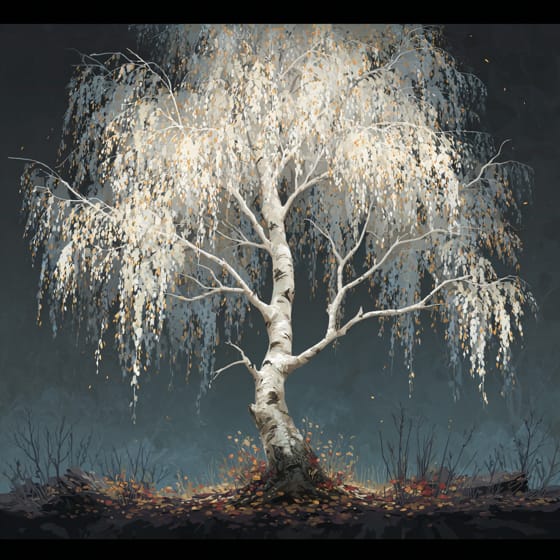
Betula pendula
Larvae feed on leaves
Ichneumon extensorius
Wasp larvae grow inside
Vespula vulgaris
Adult wasps hunt larvae
Social animals live in organized groups, cooperating for survival benefits such as foraging, defense, and raising offspring.
Colorful describes organisms or objects displaying a wide range of bright and distinct colors.
This trait characterizes organisms whose diet consists entirely or primarily of plant material.
Forest habitats are terrestrial environments dominated by dense tree cover, supporting a high diversity of plant and animal life.

Diurnal animals are primarily active during daylight hours, typically resting or sleeping at night.
Danger
1/5 · Very low
No special safety notes yet.
The easiest way to identify Typical Sawflies is to use the Snappit nature identifier app.
10-40 mm
5-20 mm
7-21 days
Sawflies are mostly plant eaters, munching on leaves, needles, and various plant parts.
Forests, gardens, and grassy areas.
Foraging
6
Zoom in to split clusters and explore where this object has been snapped.
Recent snaps will appear here as new observations are added.
Take the discovery with you
Snap it with Snappit to identify it, learn what makes it special, and add the discovery to your collection.







.jpg&width=800)


