





Utah Serviceberry
Amelanchier utahensis
The Utah Serviceberry is a lovely shrub that grows small, sweet berries. It has beautiful white flowers in spring and turns colorful in the fall, making it a favorite among birds and people alike.
Habitat: Mountain regions
The Utah Serviceberry is a deciduous shrub with smooth, greyish bark and small, oval leaves that turn red-orange in fall. It has clusters of five-petaled white flowers in spring, followed by small, sweet, red to purplish-black berries.
Category
PlantsRarity
Common
Danger
1/5 · Very low
Snaps
4
Despite its delicate flowers, this shrub can live for over 50 years!
Its super hard wood was traditionally used to make arrows and tool handles!
Native Americans dried the berries to store and eat all winter, often in pemmican!
The name 'serviceberry' might come from blooming when mountain roads were passable for services!
Utah Serviceberry has a deep root system that helps it find water in dry, rocky soils, allowing it to thrive where other plants struggle.
Its sweet, nutrient-rich berries provide a vital food source for many birds and mammals, helping them survive harsh conditions.
Utah Serviceberry can produce its white flowers early in spring, offering a crucial nectar and pollen source for awakening insects.
Its extensive root network helps hold soil in place on steep slopes, preventing erosion and protecting the landscape.
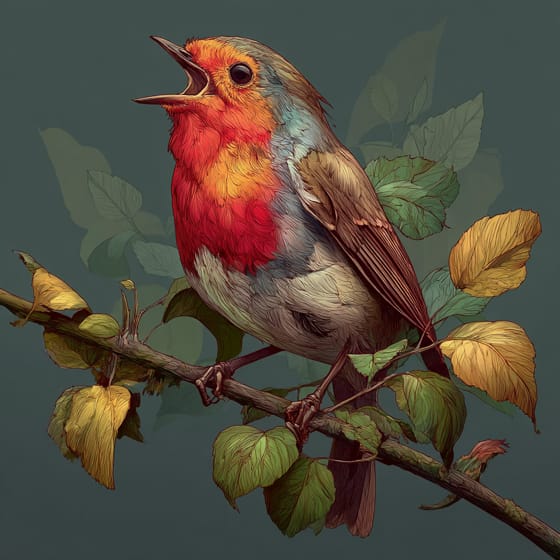
Turdus migratorius
Birds feast on its sweet berries, helping to spread seeds.
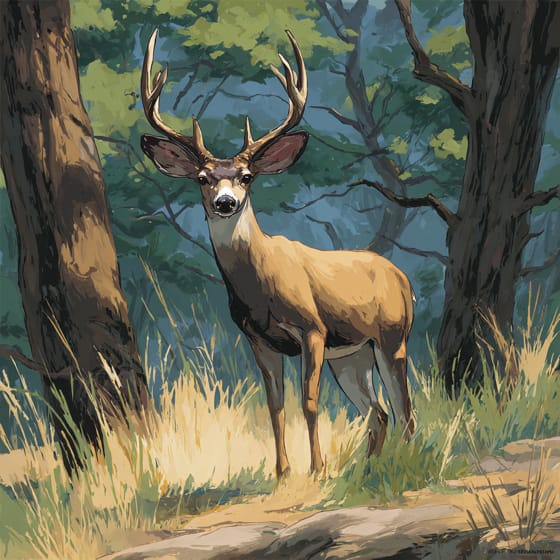
Odocoileus hemionus
Deer browse on its leaves and twigs, especially in winter.
Apis mellifera
Its early spring flowers are a vital nectar source for bees.
Ursus americanus
Bears forage on the abundant, ripe berries.
Deciduous plants periodically shed all their leaves, typically during autumn or dry seasons.
Flowering plants are any plants that produce flowers as part of their reproductive cycle.
A shrub is a woody plant smaller than a tree, typically with multiple stems branching from or near the ground.
Spring blooming plants produce their flowers during the spring season, often signifying the end of winter and the start of new growth.

Fruit-bearing plants produce fruits, which are the mature ovaries of flowering plants containing seeds.

Edible plants are those parts of a plant that are considered safe for human consumption.

Fall color refers to the seasonal change in foliage pigmentation, primarily in deciduous plants, displaying vibrant hues.

Describes plants that are particularly attractive and beneficial to a wide range of pollinating organisms.

This habitat trait identifies species found in mountainous regions, characterized by high elevation, steep slopes, and varying climate zones.
No aliases listed yet.
Danger
1/5 · Very low
Always check with an adult before picking and eating berries.
The easiest way to identify Utah Serviceberry is to use the Snappit nature identifier app.
100-500 cm
100-400 cm
1-2 cm
Spring
Yes
None
Perennial
Zoom in to split clusters and explore where this object has been snapped.

Colorado, US
You might spot Common Side-Blotched Lizard and Eastern Collared Lizard.
View guide →

Arizona, US
You might spot Common Raven, Gambel Oak, and Vulture.
View guide →

Colorado, US
You might spot Banana Yucca and Common Sagebrush Lizard.
View guide →

Colorado, US
You might spot Common Side-Blotched Lizard and Eastern Collared Lizard.
View guide →
Take the discovery with you
Snap it with Snappit to identify it, learn what makes it special, and add the discovery to your collection.







.jpg&width=800)



_001.jpg&width=800)



