





Beach Morning Glory
Ipomoea pes-caprae
Beach Morning Glory is a beautiful flower that grows near sandy beaches. Its bright purple petals open up in the morning sun and close at night, making it a lovely sight for beachgoers.
Habitat: Coastal areas
The Beach Morning Glory is a sprawling vine with thick, notched, heart-shaped leaves and large, trumpet-shaped flowers. Its blooms are typically pinkish-purple with a paler, sometimes white, throat, making it distinct on sandy coasts.
Category
PlantsRarity
Common
Danger
1/5 · Very low
Snaps
4
Its flowers open at sunrise and often close by afternoon, following the sun!
Its scientific name means 'goat's foot' because of its unique leaf shape!
People in some cultures traditionally use its leaves to treat jellyfish stings!
This plant can grow up to 30 meters long, spreading across vast beaches!
Beach Morning Glory can spread wide roots that hold loose sand in place, preventing beach erosion.
Beach Morning Glory has seeds that float in saltwater, allowing them to travel across oceans to new shores.
Beach Morning Glory can grow long, creeping stems that quickly spread over sand, finding the best sunny spots.
Beach Morning Glory has special adaptations to tolerate salty air and soil where most other plants cannot survive.
Apis mellifera
Drinks nectar and carries pollen.
Hyles lineata
Visits flowers at dusk and dawn.
Hypolimnas bolina
Caterpillars feed on its leaves.
Ocypode quadrata
Hides under its leaves from predators.
Flowering plants are any plants that produce flowers as part of their reproductive cycle.
Summer blooming plants produce their flowers during the summer season, often providing vibrant color when many other plants have finished.
Evergreen plants retain their foliage throughout the year, never shedding all their leaves at once.
Salt tolerant plants can withstand and grow in conditions with elevated salinity levels in the soil or water.

Drought-tolerant plants can survive and flourish in conditions with limited water availability.

Describes plants that are particularly attractive and beneficial to a wide range of pollinating organisms.

Coastal habitats are dynamic environments located along the interface between land and sea, influenced by tides, waves, and saltwater.
Danger
1/5 · Very low
Always stay on paths and don't pick flowers without permission.
The easiest way to identify Beach Morning Glory is to use the Snappit nature identifier app.
5-30 cm
100-1000 cm
4-8 cm
Year-round in tropical areas, summer-fall elsewhere
Yes
None
Perennial
Zoom in to split clusters and explore where this object has been snapped.

US
You might spot Nurse Shark, Sea Turtle, and Cownose Ray.
View guide →

Texas, US
You might spot Bottlenose Dolphin and Sea Turtle.
View guide →

US
You might spot Osprey, Laughing Gull, and Willet.
View guide →
Florida, US
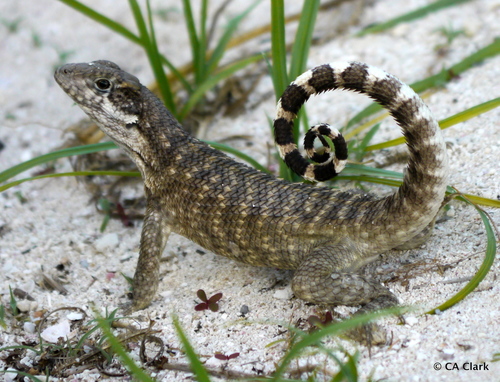
You might spot Northern Curly-Tailed Lizard and Green Iguana.
View guide →

Florida, US
You might spot Willet, Lightning Whelk, and Ruddy Turnstone.
View guide →

Florida, US
You might spot Firewheel, Black Mangrove, and Yaupon Holly.
View guide →
Take the discovery with you
Snap it with Snappit to identify it, learn what makes it special, and add the discovery to your collection.








.jpg&width=800)



_001.jpg&width=800)



