.jpg&width=800)





Vanillaleaf
Carphephorus odoratissimus
Vanillaleaf is a sweet-smelling plant that grows in sunny places. Its leaves are long and green, and they can be used to make yummy treats!
Habitat: Grasslands
The Vanillaleaf is a slender, upright plant reaching several feet tall, featuring smooth, oval-shaped leaves and tall stalks topped with clusters of fuzzy purple-pink flowers. Its striking bloom color stands out against green foliage in open, sunny habitats.
Category
PlantsRarity
Common
Danger
1/5 · Very low
Snaps
1
In some cultures, its fragrant leaves were used as a natural air freshener.
Many native butterfly species love to sip nectar from its fuzzy flowers.
This plant's vanilla smell actually gets stronger as its leaves dry!
Vanillaleaf is a member of the huge daisy and sunflower family.
Vanillaleaf has leaves that smell like vanilla, which helps it deter some hungry herbivores.
Vanillaleaf has a robust root system that allows it to quickly regrow after wildfires in its habitat.
Vanillaleaf produces nectar-rich flowers, helping it attract many different kinds of beneficial insects.
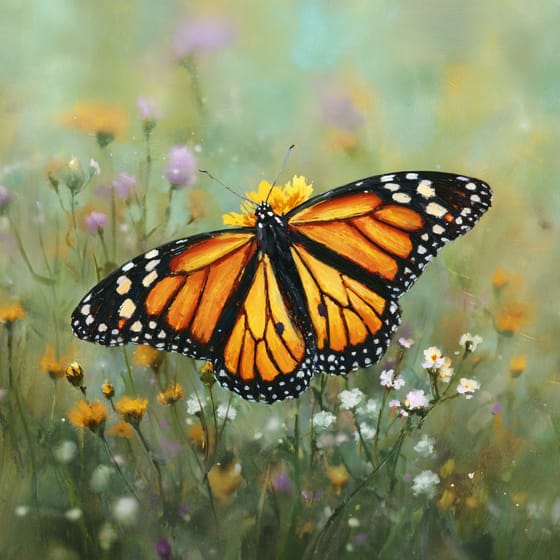
Danaus plexippus
Monarch butterflies visit for nectar.
Apis mellifera
Honey bees are frequent visitors to its flowers.
Schistocerca americana
Grasshoppers sometimes nibble on Vanillaleaf foliage.
Rhizophagus irregularis
Fungi help its roots absorb nutrients.
Aromatic plants produce and emit fragrant volatile organic compounds, often for defense or to attract pollinators.
Flowering plants are any plants that produce flowers as part of their reproductive cycle.
Fragrant flowers emit a pleasant aroma, often to attract pollinators or for defense.
Edible plants are those parts of a plant that are considered safe for human consumption.

Grassland habitats are terrestrial biomes dominated by grasses and herbaceous plants, supporting a variety of grazing animals.

Describes plants that are particularly attractive and beneficial to a wide range of pollinating organisms.

This human use trait indicates species from which spices are derived, used for flavoring, preserving food, or as aromatic agents.
No aliases listed yet.
Danger
1/5 · Very low
Always check with an adult before touching or tasting any plants.
The easiest way to identify Vanillaleaf is to use the Snappit nature identifier app.
30-90 cm
20-45 cm
0.5-1.5 cm
Late summer to fall
Yes
None
Perennial
Zoom in to split clusters and explore where this object has been snapped.
Take the discovery with you
Snap it with Snappit to identify it, learn what makes it special, and add the discovery to your collection.









.jpg&width=800)


_001.jpg&width=800)



