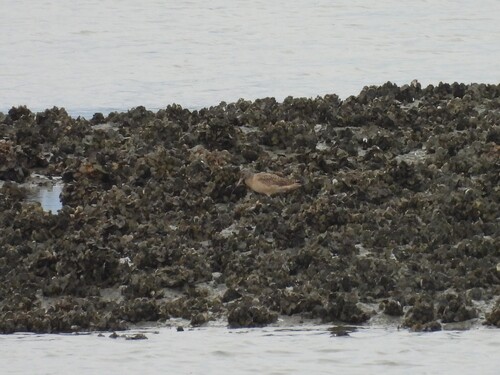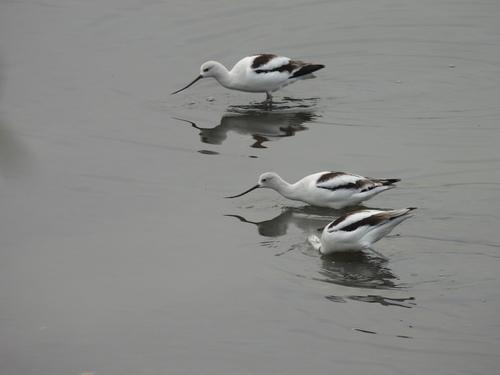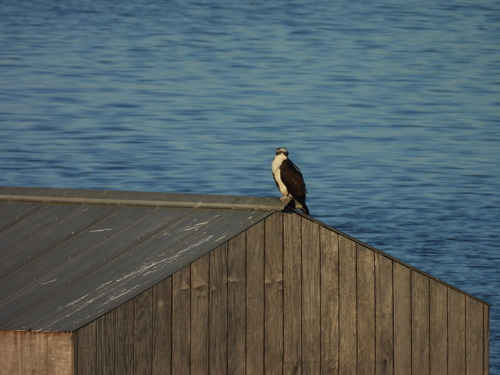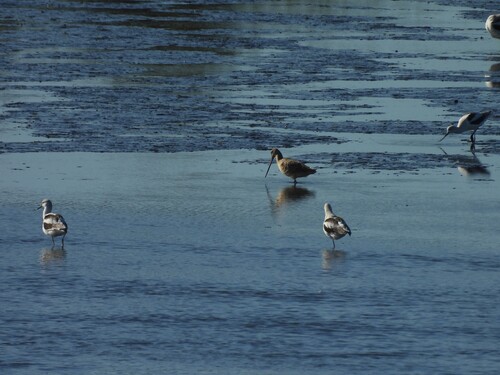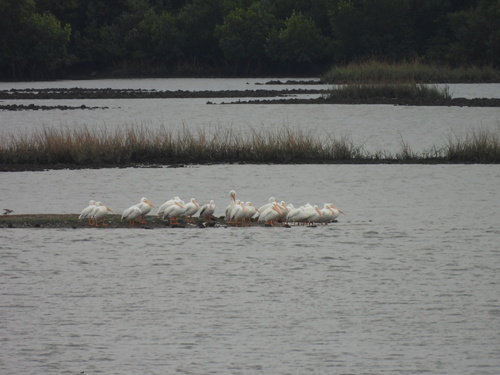





Jan 11, 2026
i
Photo attribution
(c) Josiah Londerée, some rights reserved (CC BY)
License: CC BY 4.0 ↗
Image may be shown cropped inside the card frame.

Cedar Key Scrub State Reserve offers an authentic and unspoiled experience of Florida's unique coastal scrub habitats.
Cedar Key Scrub State Reserve offers an authentic and unspoiled experience of Florida's unique coastal scrub habitats. Protecting over 9,500 acres, this hidden gem preserves one of the state's rarest and most imperiled natural communities: the ancient sand pine scrub, formed on relict paleodunes from the Pleistocene epoch. Located just a few miles east of the charming fishing village of Cedar Key, the reserve provides a crucial sanctuary for endemic species while offering visitors a chance to explore a landscape increasingly rare in Florida.
The reserve's diverse ecosystems range from xeric uplands of sand pine scrub, sandhills, and scrubby flatwoods to coastal hydric hammocks, mangrove swamps, and salt marshes. These varied habitats are home to iconic Florida wildlife, including the elusive Florida scrub-jay, the state's only endemic bird, and the industrious gopher tortoise, whose burrows support over 350 other species like the Eastern indigo snake and gopher frog. Keep an eye out for soaring Southern bald eagles, ospreys, and white-tailed deer, particularly along the 13 miles of multi-use trails that crisscross this beautiful landscape.
Visiting Cedar Key Scrub State Reserve is an opportunity to step back in time and connect with the raw, untamed beauty of Florida's Nature Coast. The reserve emphasizes conservation and low-impact recreation, providing a tranquil escape from more developed areas. Whether you're hiking through ancient dunes, birdwatching along tidal creeks, or simply enjoying the quiet solitude, the reserve offers a memorable and educational experience, showcasing the ecological diversity and vital importance of Florida's natural heritage. Unlock an interactive field guide for this spot: get the Snappit app to identify nature on the go.
Cedar Key Scrub State Reserve was established through the state's Environmentally Endangered Lands (EEL) program, with initial land acquisitions beginning on December 27, 1978. The purpose of its establishment was to conserve and protect the significant biological and geological resources within its boundaries for the benefit of Florida's people. The reserve encompasses unique ancient sand dunes, which played a major role in the development of the area's natural and cultural resources, and it protects the imperiled Florida scrub natural community. Today, the reserve spans 6,784.31 acres and is managed cooperatively with the Florida Fish and Wildlife Conservation Commission as a Wildlife Management Area. This integrated approach ensures both wildlife conservation and public recreation are balanced, focusing on maintaining fire-dependent scrub communities through prescribed burns—a crucial element for the survival of species like the Florida scrub-jay.
Hiking, birdwatching, nature photography, wildlife viewing (especially in the scrub and marsh areas), cycling, and horseback riding. Geocaching is also available. Paddling in adjacent tidal creeks.
Fall/Winter: Pleasant weather, best for hiking and spotting migratory birds.
Spring: Wildflowers bloom, and migratory birds pass through.
Summer: Avoid due to extreme heat, humidity, and insects.
Hunting: The reserve allows seasonal hunting; check schedules and wear bright colors if visiting during these times.
The reserve is rustic with unpaved, sandy trails. There are no paved trails. The main eastern trailhead on SR 24 has a picnic shelter and a waterless composting toilet.
Spot Florida's only endemic bird in its natural scrub habitat.
Observe the extensive burrows that serve as homes for many species.
Explore 12 distinct ecosystems, from sand pine scrub to salt marshes.
Hike, bike, or horseback ride along approximately 13 miles of trails.
Each card links to a full Explore page with photos, traits, and fun facts.
We are still adding species preview cards for this place.
Start with the big picture, then zoom in to explore individual wildlife observations around this place.
Bring plenty of water
There are no water facilities in the reserve, especially crucial given the unshaded trails.
Wear appropriate footwear
Trails are sandy and unpaved, so sturdy shoes are recommended.
Protect yourself from the sun and insects: Sunscreen, hats, and insect repellent are essential, particularly during warmer months.
Visit during cooler months
October through April offers the most comfortable conditions for hiking and wildlife viewing.
Use offline maps or GPS
The trail network, totaling approximately 13 miles, can be informal, and cell service is spotty.
Be aware of hunting seasons
Cedar Key Scrub is a rare state park that allows seasonal hunting. Check FWC regulations and wear bright safety colors if visiting during these times.
Pack a picnic
Enjoy the designated picnic area at the SR 24 trailhead, as there are no dining facilities within the reserve.
Jan 11, 2026
Photo attribution
(c) Josiah Londerée, some rights reserved (CC BY)
License: CC BY 4.0 ↗
Image may be shown cropped inside the card frame.
Jan 11, 2026
Photo attribution
(c) Josiah Londerée, some rights reserved (CC BY)
License: CC BY 4.0 ↗
Image may be shown cropped inside the card frame.
Jan 11, 2026
Photo attribution
(c) Josiah Londerée, some rights reserved (CC BY)
License: CC BY 4.0 ↗
Image may be shown cropped inside the card frame.
Jan 10, 2026
Photo attribution
(c) Josiah Londerée, some rights reserved (CC BY)
License: CC BY 4.0 ↗
Image may be shown cropped inside the card frame.
Jan 10, 2026
Photo attribution
(c) Josiah Londerée, some rights reserved (CC BY)
License: CC BY 4.0 ↗
Image may be shown cropped inside the card frame.

Maryland, US
You might spot White-Tailed Deer and Eastern Gray Squirrel.
View guide →
.jpg)
District of Columbia, US
You might spot Eastern Gray Squirrel, Duck, and House Sparrow.
View guide →

Illinois, US
You might spot American Robin, Canada Goose, and House Sparrow.
View guide →

Virginia, US
You might spot Spotted Lanternfly and Northern Cardinal.
View guide →
Take the discovery with you
Identify the wildlife you spot, learn as you go, and keep a collection of the adventure.