





Flax
Flax
Flax is a plant that has delicate blue flowers and produces seeds used to make linen fabric. It grows tall and sways gently in the breeze, attracting bees and butterflies with its sweet nectar.
Habitat: Grasslands
The Flax has slender, upright green stems topped with delicate sky-blue flowers that open for just one day. Its narrow leaves cling close to the stem, giving it a light, airy appearance. Small, rounded seed pods follow the fleeting blooms.
Category
PlantsRarity
Common
Danger
1/5 · Very low
Snaps
Be the first to snap!
Did you know flax oil can be used to make natural paints and wood finishes?
Flax fibers are so strong, they were used to wrap ancient Egyptian mummies!
Flax seeds burst open with a tiny pop when they're ripe and ready to spread!
The word "linen" comes from flax, as this amazing fabric is made from its stems!
Flax has incredibly strong plant fibers in its stems that humans have used for textiles for thousands of years.
Flax seeds are packed with healthy oils and nutrients, making them a valuable food source for many creatures.
Flax can produce new flowers daily during its bloom season, ensuring continuous chances for pollination and seed production.
Apis mellifera
Visits flowers for nectar and pollen.
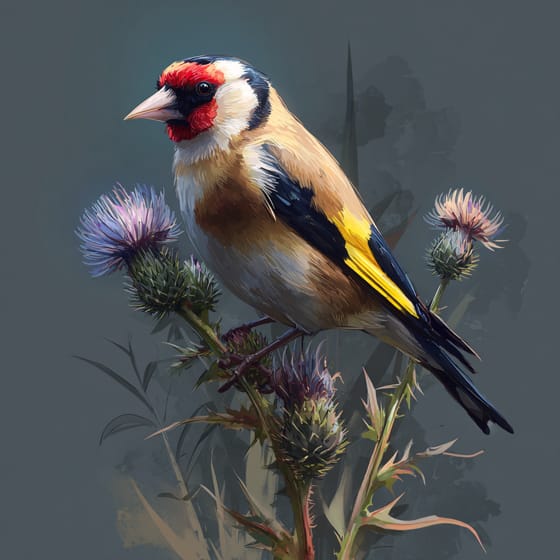
Carduelis carduelis
Feeds on nutritious flax seeds.
Melampsora lini
A fungus that causes disease in flax plants.
Bombus terrestris
Another important pollinator of flax flowers.
Spring blooming plants produce their flowers during the spring season, often signifying the end of winter and the start of new growth.
Broadleaf trees are angiosperms characterized by flat, wide leaves that are typically shed annually in temperate climates.
This human use trait identifies species that yield natural fibers, used by humans for textiles, rope, paper, and other manufactured goods.
This human use trait identifies species cultivated as oil crops, harvested for their seeds or fruits from which vegetable oils are extracted for food, fuel, or industrial uses.

Edible plants are those parts of a plant that are considered safe for human consumption.

Grassland habitats are terrestrial biomes dominated by grasses and herbaceous plants, supporting a variety of grazing animals.

This trait signifies organisms belonging to a very old evolutionary group with ancestors dating back millions of years.

Describes organisms that transfer pollen, enabling the fertilization and reproduction of plants.
Danger
1/5 · Very low
Enjoy looking at flax plants but avoid picking or eating any part without adult supervision.
The easiest way to identify Flax is to use the Snappit nature identifier app.
60-120 cm
15-30 cm
1.5-2.5 cm
Summer
Yes
None
Annual
Zoom in to split clusters and explore where this object has been snapped.
Recent snaps will appear here as new observations are added.
Take the discovery with you
Snap it with Snappit to identify it, learn what makes it special, and add the discovery to your collection.









.jpg&width=800)


_001.jpg&width=800)



