





Variable Dancer
Argia fumipennis
The Variable Dancer is a beautiful dragonfly with colorful wings that can change shades. They love to flutter around near water and are fun to watch as they dance in the air.
Habitat: Wetlands
The Variable Dancer is a slender damselfly, often displaying a striking blue or violet body with dark, intricate markings along its segments. Some individuals may appear brownish or reddish, giving them their 'variable' name. Its two pairs of clear, delicate wings are held together over its back when at rest.
Category
InsectsRarity
Common
Danger
1/5 · Very low
Snaps
20
A Variable Dancer's eyes have thousands of tiny lenses, giving them amazing high-resolution vision!
Baby Variable Dancers, called nymphs, live underwater for months before becoming adults!
Some Variable Dancers have colors that shift from blue to purple depending on the temperature!
They are like tiny aerial acrobats, able to fly forwards, backwards, and even hover perfectly still!
Variable Dancer can dart and hover with incredible precision because of its agile flight, which helps them catch tiny flying insects mid-air.
Variable Dancer larvae have a special gill system that helps them breathe underwater, allowing them to hunt aquatic prey effectively.
Variable Dancer males have vibrant, changing body colors that help them attract mates and warn off rivals, communicating visually.
Variable Dancer has large, compound eyes that give it a nearly 360-degree view, helping them spot prey and predators easily.
These swift hunters munch on tiny flying insects, keeping smaller bug populations in check!
Age differences: Nymphs eat tiny aquatic invertebrates, while adults hunt flying insects in the air.
Culex pipiens
hunts this common biting insect
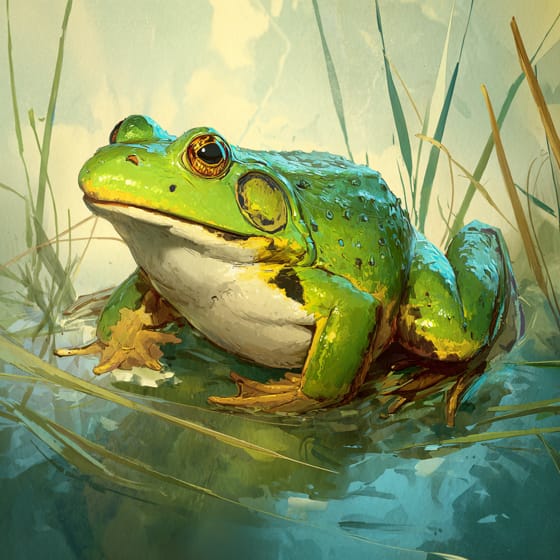
Lithobates clamitans
often eaten by this common pond frog
Fundulus notatus
larvae are a food source for this small fish
Argiope aurantia
sometimes caught in the webs of this large spider
Solitary animals live alone for most of their lives, only interacting with others for mating or parental care.
Aerial creatures spend a significant portion of their lives airborne, utilizing flight for various activities such as hunting, migration, or nesting.
Colorful describes organisms or objects displaying a wide range of bright and distinct colors.
This trait identifies organisms whose diet primarily consists of insects and other small invertebrates.

This habitat trait identifies species found in wetlands, which are areas of land saturated with water, either permanently or seasonally, including marshes, swamps, and bogs.

Diurnal animals are primarily active during daylight hours, typically resting or sleeping at night.

Freshwater habitats include non-saline aquatic environments such as rivers, lakes, ponds, and wetlands, vital for numerous species.

This trait identifies organisms that exhibit exceptional swiftness in movement for hunting, escape, or travel.

Describes organisms that transfer pollen, enabling the fertilization and reproduction of plants.
No aliases listed yet.
Danger
1/5 · Very low
It's safe to watch dragonflies, but don't try to catch them.
The easiest way to identify Variable Dancer is to use the Snappit nature identifier app.
30-50 mm
25-40 mm
15-60 days
8 km/h
These swift hunters munch on tiny flying insects, keeping smaller bug populations in check!
Wetlands
Pursuit
Zoom in to split clusters and explore where this object has been snapped.

Virginia, US
You might spot Pharaoh Cicada, Lesser Celandine, and Eastern Box Turtle.
View guide →

Ohio, US
You might spot Spotted Lanternfly and White-Tailed Deer.
View guide →
.jpg)
Virginia, US
You might spot Great Blue Heron and Canada Goose.
View guide →

Arizona, US
You might spot Christmas Cholla and California Barrel Cactus.
View guide →
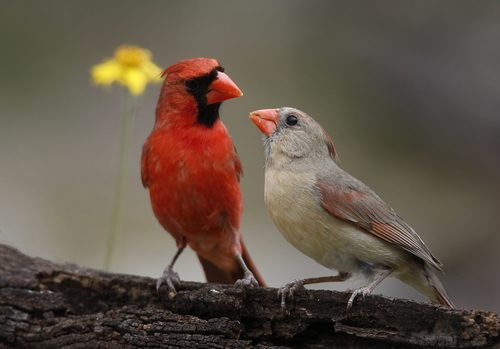
Virginia, US
You might spot Northern Cardinal and Eastern Gray Squirrel.
View guide →
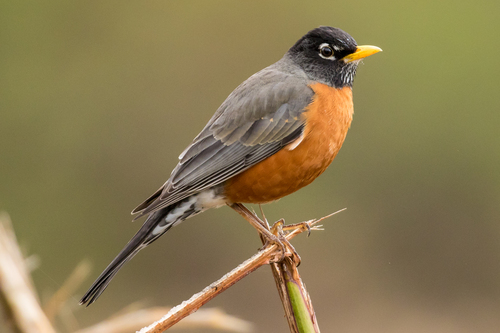
Virginia, US
You might spot American Robin, Red Fox, and Northern Cardinal.
View guide →
Take the discovery with you
Snap it with Snappit to identify it, learn what makes it special, and add the discovery to your collection.








.jpg&width=800)



