





Disholcaspis
Disholcaspis
Disholcaspis is a tiny insect that lives on plants. They are often found in gardens and can be very interesting to look at with their unique shapes and colors.
Habitat: Urban areas
The Disholcaspis is a tiny, often dark-bodied wasp, typically black or dark brown with some species having reddish or yellow accents. They possess a robust, stocky body and a distinctive, needle-like ovipositor on females, which is used for egg-laying. Unlike many wasps, they are not typically seen with bright warning colors.
Category
InsectsRarity
Common
Danger
1/5 · Very low
Snaps
Be the first to snap!
Many Disholcaspis wasps have secret identities, switching forms each generation!
Other tiny insects often try to sneak into a gall wasp's cozy plant home!
Sometimes, a single oak tree can host dozens of different kinds of galls!
Their 'homes' (galls) can be amazing shapes, like apples, saucers, or even stars!
Disholcaspis can build intricate plant galls because their larvae release special chemicals that trick the plant into growing a protective shelter and food.
Disholcaspis has a complex life cycle that can include asexual reproduction, allowing them to produce offspring without a male partner in some generations.
Disholcaspis can precisely lay eggs into specific plant tissues using its long ovipositor, helping ensure the larva develops in the right spot.
These tiny wasps don't eat much as adults; larvae eat special plant cells inside galls!
Age differences: Adults may sip nectar or water; larvae feed exclusively on specialized gall tissue.
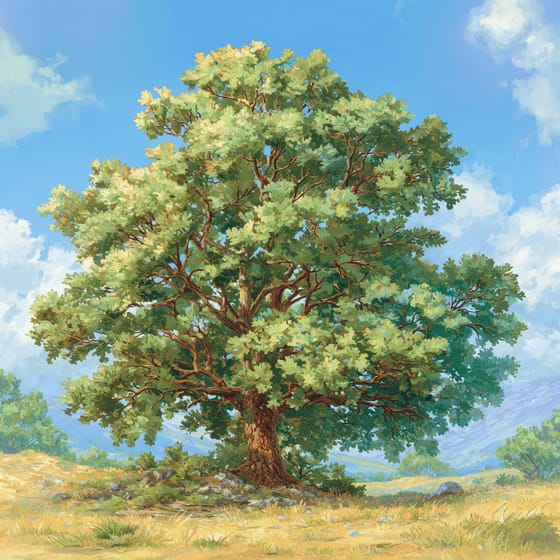
Quercus alba
Lays eggs in tissues, inducing galls for larval development.
Quercus rubra
Larvae feed on specialized cells inside galls on this tree.
Torymus splendidus
Lays its own eggs inside Disholcaspis galls, eating the larvae.
Synergus gallae
Lives harmlessly inside the galls made by Disholcaspis wasps.
Social animals live in organized groups, cooperating for survival benefits such as foraging, defense, and raising offspring.
Camouflaged describes organisms that possess coloring or patterns that allow them to blend into their environment.
Colorful describes organisms or objects displaying a wide range of bright and distinct colors.
This trait characterizes organisms whose diet consists entirely or primarily of plant material.

Describes plants that are particularly attractive and beneficial to a wide range of pollinating organisms.

Diurnal animals are primarily active during daylight hours, typically resting or sleeping at night.

Pertaining to species that are significantly smaller than typical or average for their kind.

This habitat trait indicates species that can coexist with humans in urban and suburban environments, utilizing man-made structures and green spaces.

Describes organisms that transfer pollen, enabling the fertilization and reproduction of plants.
No aliases listed yet.
Danger
1/5 · Very low
Always be gentle and watch where you step when exploring gardens.
The easiest way to identify Disholcaspis is to use the Snappit nature identifier app.
4-10 mm
2-5 mm
14-45 days
1.5 km/h
These tiny wasps don't eat much as adults; larvae eat special plant cells inside galls!
Urban areas
6
Zoom in to split clusters and explore where this object has been snapped.
Recent snaps will appear here as new observations are added.
Take the discovery with you
Snap it with Snappit to identify it, learn what makes it special, and add the discovery to your collection.







.jpg&width=800)



