_-_kopie.jpg&width=800)





Vernal Shield Bug
Peribalus strictus
The Vernal Shield Bug is a small, colorful insect that loves to hang out on plants. It has a unique shield shape and can be found in gardens and fields during springtime.
Habitat: Grasslands
The Vernal Shield Bug is known for its distinctive shield-shaped body, which changes colour with the seasons. It appears bright green in spring and summer, providing excellent camouflage, then turns a bronzy-brown as autumn approaches, helping it blend with changing foliage.
Category
InsectsRarity
Common
Danger
1/5 · Very low
Snaps
Be the first to snap!
Baby shield bugs, called nymphs, look like tiny adults but without wings!
Some shield bugs vibrate their bodies to 'talk' to each other on plant stems.
Their shield-like back provides tough protection from bumps and bites!
Vernal Shield Bugs lay tiny, barrel-shaped eggs in neat clusters on plant leaves.
Vernal Shield Bug can release a pungent, foul-smelling liquid because of special glands, that helps them deter hungry predators.
Vernal Shield Bug has piercing-sucking mouthparts that help them drink nutritious sap directly from plants, like a tiny straw.
Vernal Shield Bug can survive cold winters by finding sheltered spots and entering a dormant state, helping them wait for spring.
These plant-loving insects use their straw-like mouthparts to sip on delicious plant sap, fruits, and seeds.
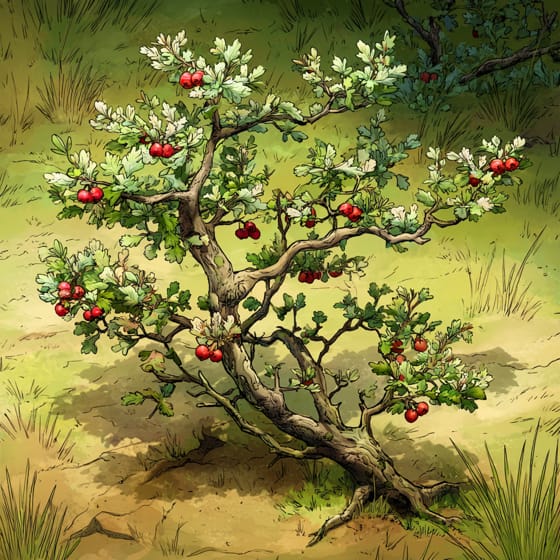
Crataegus monogyna
Feeds on sap from its leaves and berries.

Quercus robur
Sips sap from its foliage and young shoots.
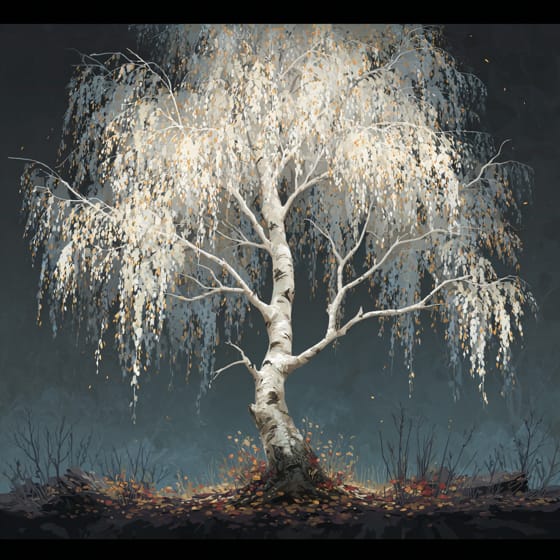
Betula pendula
Obtains nutrients by piercing its plant tissues.
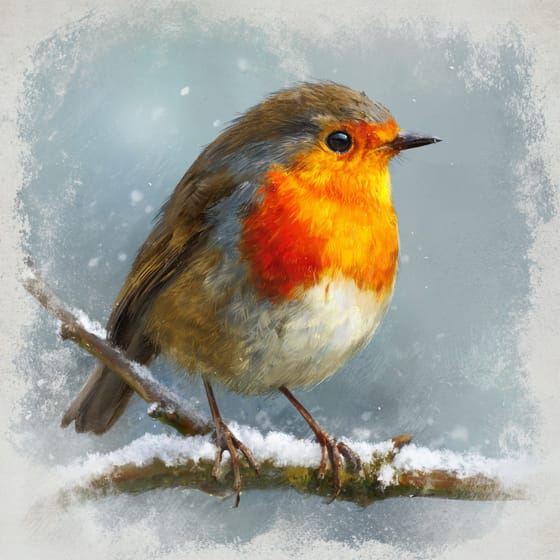
Erithacus rubecula
Birds, like robins, sometimes prey on shield bugs.
Argiope bruennichi
Spiders may catch them in their webs.
Solitary animals live alone for most of their lives, only interacting with others for mating or parental care.
Camouflaged describes organisms that possess coloring or patterns that allow them to blend into their environment.
Colorful describes organisms or objects displaying a wide range of bright and distinct colors.
Grassland habitats are terrestrial biomes dominated by grasses and herbaceous plants, supporting a variety of grazing animals.

This trait characterizes organisms whose diet consists entirely or primarily of plant material.

Describes plants that are particularly attractive and beneficial to a wide range of pollinating organisms.

Diurnal animals are primarily active during daylight hours, typically resting or sleeping at night.

Describes a species whose presence and role have a disproportionately large effect on its environment.

Describes organisms that transfer pollen, enabling the fertilization and reproduction of plants.
No aliases listed yet.
Danger
1/5 · Very low
It's best to observe bugs from a distance and not touch them.
The easiest way to identify Vernal Shield Bug is to use the Snappit nature identifier app.
20-28 mm
10-14 mm
200-300 days
These plant-loving insects use their straw-like mouthparts to sip on delicious plant sap, fruits, and seeds.
Grasslands
Foraging
6
Zoom in to split clusters and explore where this object has been snapped.
Recent snaps will appear here as new observations are added.
Take the discovery with you
Snap it with Snappit to identify it, learn what makes it special, and add the discovery to your collection.






.jpg&width=800)


