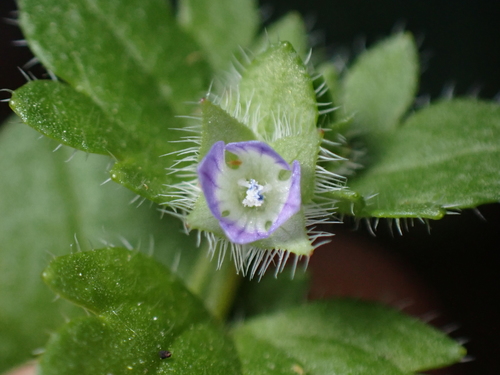


Veronica Hederifolia
veronica hederifolia
Veronica hederifolia, commonly known as the ivy-leaved speedwell, is a charming and resilient annual herb. Native to Europe, western Asia, and North Africa, this low-growing wildflower has successfully naturalized in many temperate regions worldwide. It is one of the earliest spring ephemerals to blanket fields, gardens, and waste grounds with its delicate pale-blue to lavender blossoms. Despite its delicate appearance, this plant is remarkably hardy, often sprouting in the cold, damp conditions of late winter. Its ivy-like leaves, from which it derives its species name hederifolia, provide a lovely carpet of green before most other vegetation wakes up. While sometimes regarded as an agricultural weed, it plays a vital early-season role in supporting hungry pollinators emerging from winter dormancy.
Habitat: Typically found in cultivated fields, gardens, hedgerows, waste places, and open woodlands, preferring nutrient-rich, sandy-loam soils.
This prostrate, sprawling annual features hairy, trailing stems that grow up to 60 cm long. Its leaves are petiolate, fleshy, and shaped like miniature ivy leaves, typically boasting 3 to 5 shallow lobes with the terminal lobe being the largest. The solitary flowers, measuring 3 to 9 mm across, arise from the leaf axils on relatively short pedicels. They consist of four pale lilac, blue, or almost white petals with darker veins and a yellow center, which quickly give way to characteristic, plump, four-lobed heart-shaped capsule fruits containing rounded seeds.
Category
PlantsRarity
Common
Danger
1/5 · Very low
Snaps
1
Despite being considered a garden weed, it provides a crucial early-season nectar and pollen source for pollinators during the chilly days of late winter.
Its seeds possess a fleshy, oily appendage called an elaiosome, which is specifically designed to entice ants to carry and plant the seeds.
The 'hederifolia' in its scientific name directly translates to 'ivy-leaved' in Latin, referring to the characteristic shape of its foliage.
Sprouts during the late winter and early spring when soil temperatures are low, allowing it to colonize open spaces before competitors emerge.
Produces seeds with rich elaiosomes (fleshy structures) that attract ants, which carry the seeds back to their nests, assisting in dispersal and planting.
Its low-lying, trailing stems allow it to blanket the ground, conserving soil moisture and physically crowding out other seedlings.
Absorbs water and essential minerals from the soil while producing sugars through photosynthesis using sunlight and carbon dioxide.
Melitaea athalia
Larvae feed on the leaves of various Veronica species, including ivy-leaved speedwell.
Andrena bicolor
Visited by early-emerging solitary bees for nectar and pollen.
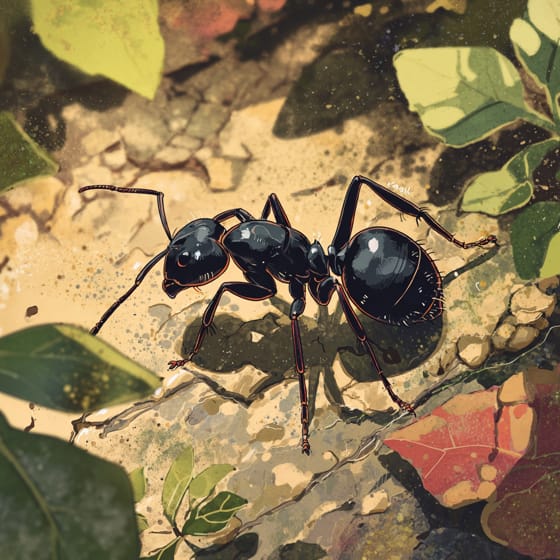
Lasius niger
Ants collect the seeds to feed on the lipid-rich elaiosomes, dispersing them in the process.
No trait badges are assigned for this object yet.
Collections for this object will appear here as more themes are added.
Danger
1/5 · Very low
No special safety notes yet.
The easiest way to identify Veronica Hederifolia is to use the Snappit nature identifier app.
10-60 cm
1 years
Absorbs water and essential minerals from the soil while producing sugars through photosynthesis using sunlight and carbon dioxide.
Typically found in cultivated fields, gardens, hedgerows, waste places, and open woodlands, preferring nutrient-rich, sandy-loam soils.
Zoom in to split clusters and explore where this object has been snapped.
Take the discovery with you
Snap it with Snappit to identify it, learn what makes it special, and add the discovery to your collection.












.jpg&width=800)



_001.jpg&width=800)




