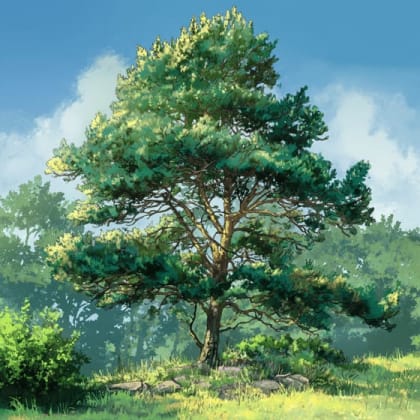





Scots Pine

Sierra Nevada National Park, nestled in the provinces of Granada and Almería in southern Spain, is a majestic expanse of dramatic mountains, glacial valleys, and an extraordinary array of life.
Sierra Nevada National Park, nestled in the provinces of Granada and Almería in southern Spain, is a majestic expanse of dramatic mountains, glacial valleys, and an extraordinary array of life. As one of Spain's largest national parks, it boasts the highest peaks in mainland Spain, including Mulhacén (3,479m) and Veleta (3,396m), offering breathtaking alpine scenery that contrasts beautifully with the Mediterranean climate of Andalusia. Recognized as a UNESCO Biosphere Reserve, this park is a unique ecological refuge, distinguished by its isolated location and the remarkable biodiversity it harbors.
The park's diverse habitats range from lush lower-altitude meadows to the barren, rocky scree slopes of its towering summits. This variety supports a fascinating mix of flora and fauna, making it a hotspot for nature enthusiasts. Visitors can marvel at iconic species such as the agile Iberian Ibex, often spotted navigating steep cliffs, and observe magnificent birds of prey like the Golden Eagle and European Bee-eater soaring overhead. The Sierra Nevada is also a botanical treasure trove, home to over 2,100 plant species, with many endemic varieties like the Scots pine, Greater Rock-jasmine, and various mosses. The park's insect life is equally rich, featuring unique butterflies such as the Iberian marbled white and Black Satyr.
A visit to Sierra Nevada National Park offers an unforgettable blend of adventure, tranquility, and natural wonder. Whether you're seeking the thrill of high-altitude hiking, the unique experience of skiing under the Spanish sun, or simply wish to immerse yourself in stunning landscapes and rich biodiversity, this park delivers. Its dramatic vistas, combined with the charming whitewashed villages of the Alpujarras nestled on its slopes, create a memorable and profoundly engaging travel experience that showcases the wild heart of Andalusia. Enhance your adventure: download the Snappit app to identify the local species you encounter.
The Sierra Nevada has a long and significant history of human interaction and natural recognition. It was officially declared a National Park on January 14, 1999, building upon its earlier designation as a Natural Park in 1989. Even before these protections, its exceptional ecological value was recognized when UNESCO declared it a Biosphere Reserve in 1986. Geologically, the mountain range was formed during the Tertiary period and was subsequently shaped by glaciers, leaving a distinctive landscape of U-shaped valleys and glacial lakes. In medieval times, the area was known as the "Sierra del Sol" (Mountains of the Sun). Evidence suggests human presence in the Sierra Nevada for millennia, with archaeological finds, such as obsidian flakes for stone tools, dating back 8,000 to 10,000 years, indicating a continuous human history in the region.
Hiking, mountaineering, cycling, birdwatching, skiing, snowboarding, snowshoeing, stargazing, exploring traditional villages, and photography.
Spring (March-May): Wildflowers bloom, snow melts from lower trails, perfect for mid-altitude hiking and enjoying vibrant landscapes.
Summer (June-August): Ideal for high-altitude trekking, accessing the highest peaks, and escaping the heat of the plains. Park bus services operate to high areas.
Autumn (September-November): Cooler temperatures, changing foliage, good for walking at intermediate altitudes.
Winter (December-February): Snow-covered mountains dominate, opening opportunities for skiing and other snow sports. Lower altitudes offer pleasant hiking.
Visitor centers within the park offer adapted access and toilets. While the mountainous terrain can be challenging, efforts are made to adapt routes and points of interest for visitors with disabilities, though some paths may require special support. The Sierra Nevada Ski Resort also aims to be accessible.
The highest summits in mainland Spain, offering unparalleled views and challenging hikes.
Picturesque whitewashed villages like Pampaneira, Bubión, and Capileira on the southern slopes, known for their unique architecture and cultural heritage.
A scenic hiking route following the Genil River, showcasing dense forests and views of iconic peaks.
Famous for its suspension bridges and river tunnel cave, offering an adventurous hike near Granada.
Each card links to a full Explore page with photos, traits, and fun facts.
Start with the big picture, then zoom in to explore individual wildlife observations around this place.
Prepare for changing weather
The high altitude means weather can be unpredictable. Always bring layers, even in summer, and be prepared for sudden drops in temperature, wind, and rain.
Stay hydrated and protected from the sun: Bring ample water, especially for hikes, and use high-factor sunscreen and a hat, as the sun's intensity increases at altitude.
Wear appropriate footwear
Sturdy hiking boots are essential due to the rocky and uneven terrain in many parts of the park.
Respect wildlife and flora
Do not disturb animals, collect plants, or leave any litter behind. The park's delicate ecosystem relies on visitors' responsible behavior.
Plan your route and inform others
Before embarking on longer or high-altitude treks, plan your route carefully, carry a map and compass, and inform someone of your itinerary. Consider hiring a guide for challenging routes.
Camping regulations
If you plan to wild camp, be aware of strict regulations: set up one hour before sunset, take down one hour after sunrise, no two consecutive nights in the same spot, and notify the National Park office.
Aug 27, 2025
May 25, 2025

Maryland, US
You might spot White-Tailed Deer and Eastern Gray Squirrel.
View guide →
.jpg)
District of Columbia, US
You might spot Eastern Gray Squirrel, Duck, and House Sparrow.
View guide →

Illinois, US
You might spot American Robin, Canada Goose, and House Sparrow.
View guide →

Virginia, US
You might spot Spotted Lanternfly and Northern Cardinal.
View guide →
Take the discovery with you
Identify the wildlife you spot, learn as you go, and keep a collection of the adventure.