





Virginia Pepperweed
lepidium virginicum
Virginia Pepperweed is a fun plant that can grow up to 3 feet tall! Its tiny white flowers and peppery taste make it a favorite among adventurous eaters.
Habitat: Virginia Pepperweed grows in disturbed areas, such as fields, roadsides, and gardens.
The Virginia Pepperweed has a slender, often branching stem with small, toothed green leaves that form a rosette at its base. Tiny white flowers bloom in clusters along the stem, followed by distinctive flat, round seedpods resembling miniature flying saucers.
Category
PlantsRarity
Common
Danger
0/5 · No known danger
Snaps
12
Its tiny seeds taste surprisingly like black pepper, a real spice bomb!
Look closely at its flowers; they're so small, they're often smaller than a ladybug!
The name 'pepperweed' comes from the peppery zing of its leaves and seeds!
This plant is a wild cousin to broccoli and cabbage, part of the mustard family!
Virginia Pepperweed can sprout and grow quickly in many different soils, helping it survive and thrive even in tough spots.
This plant has a spicy flavor from mustard oils, which can deter some hungry animals and make it taste interesting.
Its flat, disc-like seedpods are perfectly shaped to catch the wind, helping them travel far to find new homes.
Virginia Pepperweed can keep its leaves green even in mild winters, allowing it to gather sunlight when other plants can't.
Apis mellifera
Visits its tiny flowers for nectar and pollen.
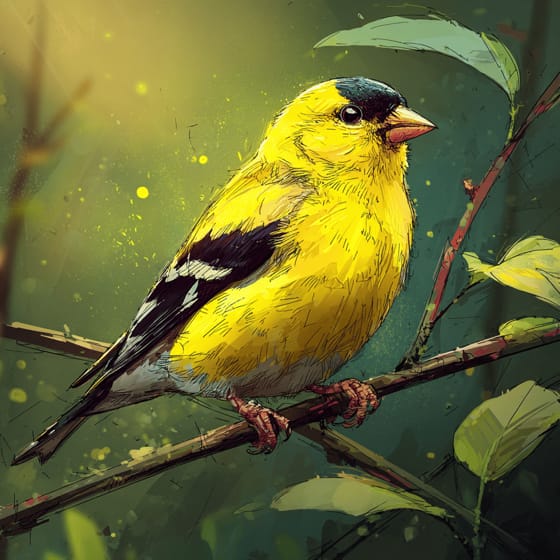
Carduelis tristis
Feeds on the nutritious, disc-shaped seeds.
Pieris rapae
Its caterpillars munch on the peppery leaves.
Colorful describes organisms or objects displaying a wide range of bright and distinct colors.
Grassland habitats are terrestrial biomes dominated by grasses and herbaceous plants, supporting a variety of grazing animals.
This trait characterizes organisms whose diet consists entirely or primarily of plant material.
Describes organisms that transfer pollen, enabling the fertilization and reproduction of plants.
Danger
0/5 · No known danger
No special safety notes yet.
The easiest way to identify Virginia Pepperweed is to use the Snappit nature identifier app.
10-60 cm
10-30 cm
0.2-0.3 cm
Spring to Fall (April-October)
Yes
None
Annual
Zoom in to split clusters and explore where this object has been snapped.

Hawaii, US
You might spot Brown Anole, Gold Dust Day Gecko, and Red-Crested Cardinal.
View guide →

Arkansas, US
You might spot Widow's-Cross, Yucca Giant-Skipper, and Outis Skipper.
View guide →

South Carolina, US
You might spot Brown Pelican, Boat-Tailed Grackle, and Great Egret.
View guide →

Arkansas, US
You might spot Pear-Shaped Puffball and American Beautyberry.
View guide →

US
You might spot Brown Pelican, Boat-Tailed Grackle, and Great Egret.
View guide →

Pennsylvania, US
You might spot Spotted Lanternfly, White-Tailed Deer, and American Robin.
View guide →
Take the discovery with you
Snap it with Snappit to identify it, learn what makes it special, and add the discovery to your collection.









.jpg&width=800)



_001.jpg&width=800)




