
African Lion

The Capron Park Zoo offers an intimate and engaging wildlife experience for all ages.
The Capron Park Zoo offers an intimate and engaging wildlife experience for all ages.
This charming 8-acre zoo in Attleboro, Massachusetts, is an accredited member of the Association of Zoos and Aquariums (AZA) and home to approximately 100 animals representing 44 species from around the globe. It's celebrated for its commitment to conservation through programs like the Species Survival Plan, and offers a unique opportunity to connect with diverse wildlife in a beautifully maintained setting.
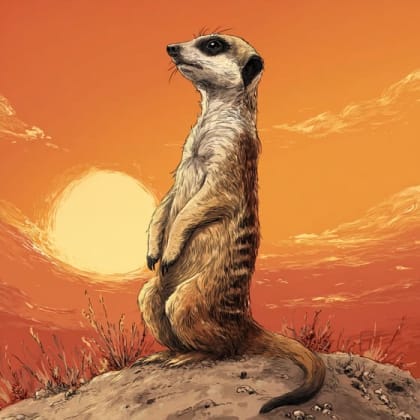
Visitors can embark on a journey across continents, encountering fascinating creatures such as majestic African Lions and rare White Lions, playful North American River Otters, and curious Meerkats. The zoo also features a dedicated Nocturnal Building where day and night are reversed, allowing guests to observe animals typically active after dusk, alongside an indoor rainforest exhibit with residents like the Two-toed Sloth and various vibrant birds. Other highlights include Amur Leopards, Red Pandas, and Kangaroos, providing a rich tapestry of biodiversity.
The Capron Park Zoo is an ideal destination for a memorable family outing, offering not just animal encounters but also interactive elements like a petting zoo and the popular Splashpad Playspace for cooling off during warmer months. Despite its compact size, the zoo provides a rich educational experience, fostering an appreciation for wildlife and conservation efforts in a welcoming and accessible environment. However, it's important to note that as of March 2026, there are ongoing discussions regarding a proposed transformation of the zoo into a wildlife rehabilitation center and open space, which could impact its future as a traditional public zoo after September 7th, 2026. Be ready to snap and learn! Get the Snappit app to identify any nature species you find here.
The Capron Park Zoo's origins trace back to a heartwarming community effort in 1925 when local schoolchildren launched a "penny drive" to raise funds for its establishment. This collective endeavor culminated in the official opening of the zoo in 1937, built on 8 acres of land generously donated by the Capron family, which also encompassed the larger Capron Park. The park and zoo were designed by the renowned firm of Frederick Law Olmsted, known for his work on Central Park. Over the decades, the zoo has seen significant development and modernization. A major redesign and upgrade took place in the late 1980s to meet zoological maintenance standards, leading to its grand reopening in May 1990. Further enhancements included the addition of a dedicated education department in 1991 and the popular Splashpad recreational area in 2010. Buildings like the Lion Building, Otter Building, Sadler Building, Nocturnal Building, and Rainforest Building have been added over time, continuously enriching the visitor experience and animal habitats.
Observe a wide array of animals from different continents, explore the indoor rainforest and nocturnal exhibits, interact with friendly animals at the petting zoo, and let children cool off and play at the Splashpad Playspace (seasonal). There's also a large playground just outside the zoo entrance. Educational programs and special events like "Zoo Boo Spooktacular" (Halloween) are offered throughout the year.
Summer (March-October): Splashpad and mist tent are typically open, providing a great way to beat the heat. The zoo often hosts outdoor events and programs.
Winter (November-April): While some outdoor animals might be less active, the indoor exhibits like the Nocturnal Building and Rainforest Building remain a draw. The zoo is generally less crowded during these months.
Capron Park Zoo is considered stroller-friendly. While some older pathways or service areas might have accessibility challenges (e.g., changes in level, narrow doorways), the zoo staff endeavor to provide program access, such as escorting children who cannot use stairs to the classroom through alternative routes. Restrooms are accessible, and the main entrance typically offers ample space.
Don't miss the dynamic River Otters, the impressive African Lions and the rare White Lion, the fascinating Amur Leopard, and the unique Sloth Bear. The Nocturnal Building offers a chance to see animals active at night, while the indoor rainforest exhibit provides a glimpse into a tropical ecosystem. The Red Panda exhibit is also a popular stop.
Each card links to a full Explore page with photos, traits, and fun facts.
Start with the big picture, then zoom in to explore individual wildlife observations around this place.
Plan for the Splashpad (seasonal)
If visiting in warmer months, bring swimsuits, towels, and a change of clothes for children to enjoy the Splashpad Playspace.
Combine with the park
Allocate extra time to explore the larger Capron Park, which features a modern playground and picnic areas, perfect for before or after your zoo visit.
Arrive early
Visiting soon after opening can offer a quieter experience and better opportunities to see animals when they are most active.
Check for events
Look up the zoo's schedule for special events, educational programs, or animal encounters that might enhance your visit.
Proof of residency for discounts
If you are an Attleboro resident, bring proof of residency for discounted admission rates.
No outside food inside the zoo
Remember that outside food and drinks are not allowed inside the zoo exhibits, but picnic areas are available in the park outside.
May 31, 2026
Photo attribution
(c) Sean Rigney, some rights reserved (CC BY)
License: CC BY 4.0 ↗
Image may be shown cropped inside the card frame.
Jun 5, 2026
Jun 5, 2026
Jun 5, 2026
Jun 4, 2026

Michigan, US
You might spot African Lion, Komodo Dragon, and Brown Bear.
View guide →
.jpg)
Municipal District of Cobh, IE
You might spot Ring-Tailed Lemur, Giraffes, and Cheetahs.
View guide →

Nouvelle-Aquitaine, FR
You might spot Greater Flamingo, Giraffes, and Red Panda.
View guide →

Texas, US
You might spot Giraffes, African Lion, and Eastern Black Rhinoceros.
View guide →
Take the discovery with you
Identify the wildlife you spot, learn as you go, and keep a collection of the adventure.