



White Tailed Deer

The Reading Public Museum offers an engaging blend of art, science, and cultural history.
The Reading Public Museum offers an engaging blend of art, science, and cultural history.
This impressive institution in West Reading, Pennsylvania, is more than just a museum; it's a dynamic complex featuring extensive art, science, and cultural collections, a state-of-the-art planetarium, and a picturesque 25-acre arboretum. With over 300,000 objects and specimens, it stands as one of the largest private museums between Philadelphia and Pittsburgh, dedicated to lifelong learning and discovery. Visitors can explore diverse exhibits ranging from ancient civilizations to contemporary art, alongside natural history displays and rotating special exhibitions.
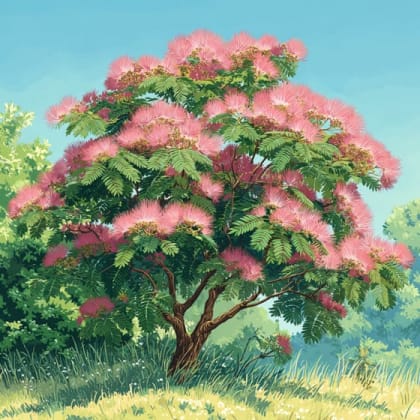
Step inside to discover fascinating artifacts like Nefrina, a Ptolemaic Egyptian mummy, or marvel at a 16th-century German Maximilian suit of armor in the Arms and Armor Gallery. The Natural History galleries showcase taxidermied animals and a dinosaur skeleton, while the Fine Art galleries boast works by European and American masters, including a strong collection of American Impressionist paintings. Outside, the John Nolen-designed arboretum invites exploration with its 65 distinctive tree specimens, rare plants, and sculptures along scenic walking paths beside Wyomissing Creek.
The Reading Public Museum provides a rich, multi-faceted experience for all ages, fostering curiosity through engaging and interactive exhibits. Whether you're delving into ancient mysteries, gazing at celestial wonders in the Neag Planetarium, or enjoying the tranquility of the arboretum, the museum offers a memorable and enriching escape that beautifully combines education with entertainment. Its commitment to showcasing diverse collections and providing hands-on opportunities makes it a cherished cultural gem. Wondering what that bird or insect is? Find out on your visit using the Snappit nature app.
The Reading Public Museum's origins trace back to 1904, when local schoolteacher Dr. Levi W. Mengel, a passionate naturalist, began amassing a collection of scientific and anthropological materials for "sensory education" for his students. His initial acquisitions included 2,000 items from the 1904 World's Fair in St. Louis. The collection quickly grew, leading to the establishment of a public museum in 1913, originally named the Reading Public Museum and Art Gallery, which also began acquiring fine art. By 1925, the burgeoning collection necessitated a larger home, and ground was broken for the current Beaux-Arts style building, which opened in 1928. The 25-acre arboretum was planned in the late 1920s by renowned landscape architect John Nolen. Over the decades, the museum expanded its offerings, including the addition of the Neag Planetarium in 1968, solidifying its role as a comprehensive center for art, science, and culture in the region. Today, its collection numbers over 280,000 objects, continuously evolving while honoring its founder's vision.
Explore the permanent galleries covering ancient civilizations, fine art, and natural history. Attend a show at the Neag Planetarium for an astronomical journey. Stroll through the expansive arboretum, enjoying the diverse flora and outdoor sculptures. Check the website for current temporary exhibitions, which often feature hands-on components for children.
The arboretum is particularly vibrant in spring with blooming flowers and in autumn with colorful foliage. Seasonal events and family programs are often hosted throughout the year, especially during summer and holidays.
The Reading Public Museum, Neag Planetarium, and Arboretum are ADA accessible, featuring ramps, elevators to all floors, accessible restrooms, and available wheelchairs on a first-come, first-served basis. Service dogs are welcome. The museum is also a Certified Autism Center, offering sensory-friendly guides and special sensory-inclusive hours. While the arboretum has paved paths, some areas include hilly terrain.
A Ptolemaic mummy with her original sarcophagus.
Featuring a 16th-century German Maximilian suit of armor and global weaponry.
Discover taxidermied animals native to Pennsylvania, diverse insect collections, and a dinosaur skeleton.
Home to European, American, Modern & Contemporary art, including works by American Impressionists.
Each card links to a full Explore page with photos, traits, and fun facts.



























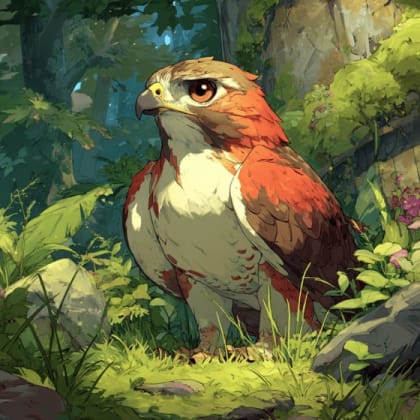

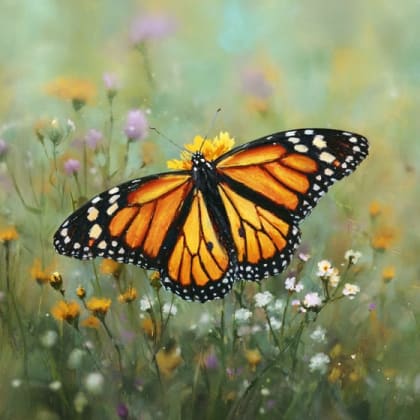


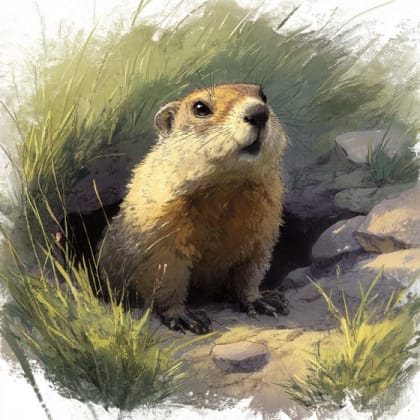





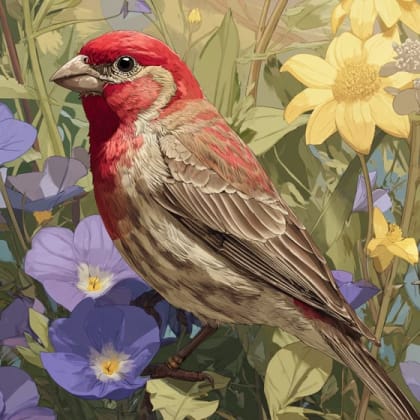

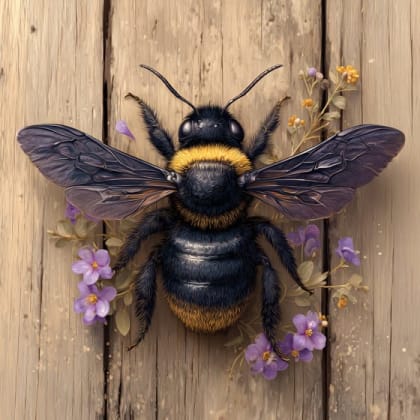

Start with the big picture, then zoom in to explore individual wildlife observations around this place.
Check current exhibits and showtimes
Before your visit, consult the museum's official website for the latest temporary exhibitions and Neag Planetarium show schedules to plan your day effectively.
Wear comfortable shoes
With three floors of exhibits and a 25-acre arboretum, you'll be doing a lot of walking, so comfortable footwear is essential.
Explore the arboretum with a guide
Grab a free guide for the arboretum from the museum atrium or view it on your smartphone to learn about the 65 distinctive tree specimens and sculptures.
Consider a library pass
Local libraries sometimes offer admission passes to the Reading Public Museum, which can provide free entry.
Visit on a weekday morning
To avoid larger crowds, especially during school breaks or special events, visiting on a weekday morning is recommended for a more relaxed experience.
Allow ample time
Don't rush your visit. The museum, planetarium, and arboretum combined can easily fill a half-day or more, so allocate enough time to fully enjoy each area.
Jun 16, 2026
Photo attribution
no rights reserved
License: CC0 1.0 ↗
Image may be shown cropped inside the card frame.
Jun 15, 2026
Photo attribution
no rights reserved
License: CC0 1.0 ↗
Image may be shown cropped inside the card frame.
Jun 15, 2026
Photo attribution
no rights reserved
License: CC0 1.0 ↗
Image may be shown cropped inside the card frame.
Jun 15, 2026
Photo attribution
no rights reserved
License: CC0 1.0 ↗
Image may be shown cropped inside the card frame.
Jun 20, 2026

Maryland, US
You might spot White-Tailed Deer and Eastern Gray Squirrel.
View guide →
.jpg)
District of Columbia, US
You might spot Eastern Gray Squirrel, Duck, and House Sparrow.
View guide →

Illinois, US
You might spot American Robin, Canada Goose, and House Sparrow.
View guide →

Virginia, US
You might spot Spotted Lanternfly and Northern Cardinal.
View guide →
Take the discovery with you
Identify the wildlife you spot, learn as you go, and keep a collection of the adventure.