





white mulberry
Morus alba
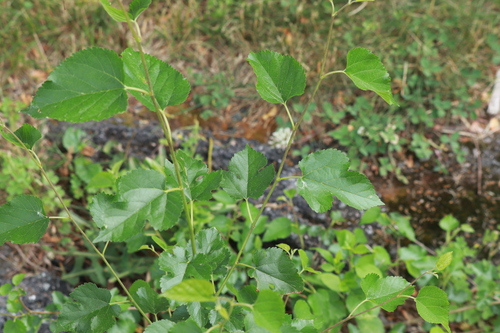
The white mulberry tree is a tall tree with big, heart-shaped leaves. It produces sweet, juicy berries that many animals love to eat!
Habitat: Urban areas
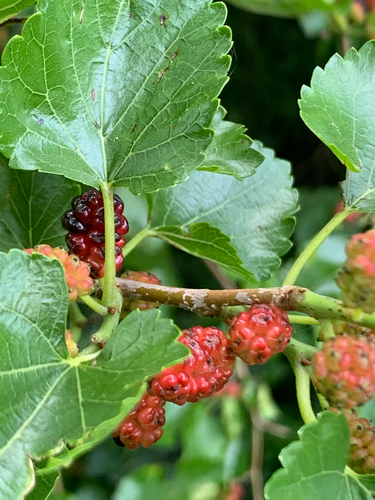
The white mulberry is a medium-sized deciduous tree with a rounded crown and shiny green leaves, often variably lobed. Its small, cylindrical fruits ripen to an array of colors including white, pink, purple, or even black, not just white.
Category
PlantsRarity
Common
Danger
1/5 · Very low
Snaps
27
Ancient emperors planted these trees to feed silkworms and make luxurious silk!
Despite its name, its juicy fruits can be white, pink, purple, or even black when ripe!
Mulberry 'berries' are actually clusters of tiny fruits, all fused together!
The white mulberry can shoot its pollen into the air faster than a speeding bullet!
White mulberry has specialized leaves packed with nutrients that are the sole food for silkworms, helping produce silk.
This tough tree can quickly regrow from pruning or damage, allowing it to thrive even in disturbed areas.
White mulberry produces abundant, sweet fruits that attract many animals, effectively dispersing its seeds far and wide.
Bombyx mori
sole food source for silk production
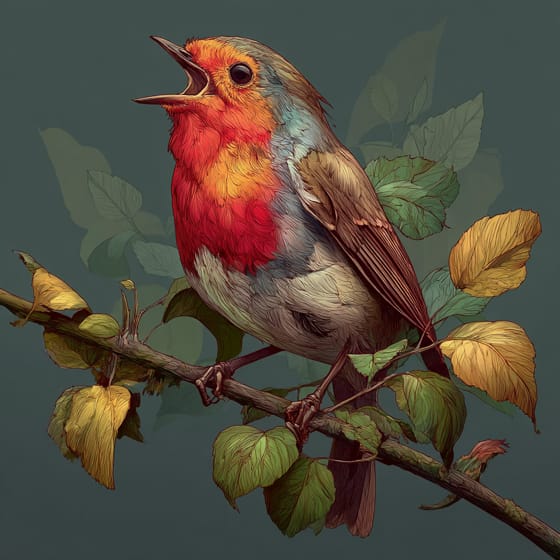
Turdus migratorius
disperses seeds in droppings
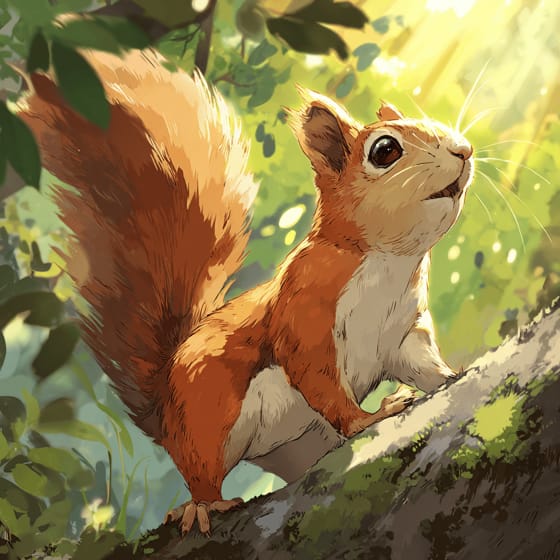
Sciurus carolinensis
helps spread seeds by burying them
Homo sapiens
cultivated for fruit and silk production
Deciduous plants periodically shed all their leaves, typically during autumn or dry seasons.
Broadleaf trees are angiosperms characterized by flat, wide leaves that are typically shed annually in temperate climates.
Fruit-bearing plants produce fruits, which are the mature ovaries of flowering plants containing seeds.
A fruit tree is a perennial tree that produces fruit, which is edible to humans or animals.

Edible plants are those parts of a plant that are considered safe for human consumption.

Rapid growing plants exhibit accelerated growth rates, quickly increasing in size and biomass within a short period.

Timber refers to wood that has been prepared for use in building and carpentry.

This habitat trait indicates species that can coexist with humans in urban and suburban environments, utilizing man-made structures and green spaces.
No aliases listed yet.
Danger
1/5 · Very low
Always wash your hands after touching leaves or berries.
The easiest way to identify white mulberry is to use the Snappit nature identifier app.
1000-2000 cm
800-1500 cm
Spring
Yes
None
Perennial
Wind
Zoom in to split clusters and explore where this object has been snapped.
Jun 7, 2026
East Windsor Hill Historic DistrictPhoto attribution
(c) Mark Apgar, some rights reserved (CC BY)
License: CC BY 4.0 ↗
Image may be shown cropped inside the card frame.
Jun 3, 2026
Johnny Appleseed ParkPhoto attribution
no rights reserved
License: CC0 1.0 ↗
Image may be shown cropped inside the card frame.

New Jersey, US
You might spot Garlic Mustard, Sensitive Fern, and Common Mugwort.
View guide →

Michigan, US
You might spot Eastern Gray Squirrel, Tree-Of-Heaven, and House Sparrow.
View guide →

Rhode Island, US
You might spot Common Eastern Bumble Bee and Osprey.
View guide →

Michigan, US
You might spot Monarch, Canada Goose, and Eastern Gray Squirrel.
View guide →

New York, US
You might spot American Robin, Pond Slider, and Northern Cardinal.
View guide →

Michigan, US
You might spot Monarch, Canada Goose, and Eastern Gray Squirrel.
View guide →
Take the discovery with you
Snap it with Snappit to identify it, learn what makes it special, and add the discovery to your collection.








.jpg&width=800)


_001.jpg&width=800)



