





Virginia waterleaf
Hydrophyllum virginianum
Virginia waterleaf is a lovely plant with pretty, heart-shaped leaves. It grows in shady places and has beautiful blue flowers that bloom in spring, making it a delightful sight in the forest!
Habitat: Forests
The Virginia waterleaf has distinctive green leaves with silvery-white blotches that resemble water stains, particularly when young. Its small, bell-shaped flowers bloom in dense, fuzzy clusters, typically appearing in shades of lavender, white, or pale purple.
Category
PlantsRarity
Common
Danger
1/5 · Very low
Snaps
24
Its unique leaf "watermarks" often vanish when the plant has plenty of water!
Many types of native bees and butterflies love to visit its small, nectar-rich, bell-shaped flowers.
Native Americans traditionally consumed its tender young leaves as a nutritious spring vegetable.
The plant's scientific name, Hydrophyllum, literally means "water leaf" in ancient Greek!
Virginia waterleaf can thrive in low-light conditions, allowing it to grow where many other plants struggle.
Its leaves have unique silvery blotches that may help reflect light in dim forests or deter herbivores.
Virginia waterleaf has edible young leaves, offering a valuable food source for wildlife and humans in early spring.
Bombus impatiens
collects nectar and pollen from its flowers
Apis mellifera
visits flowers for nectar and pollen
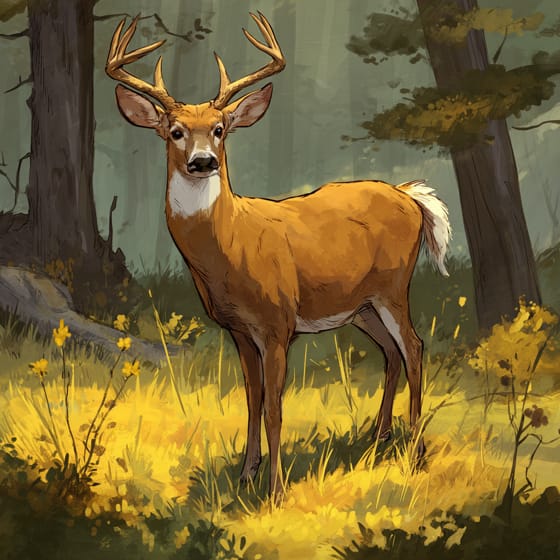
Odocoileus virginianus
browses on its leaves and stems
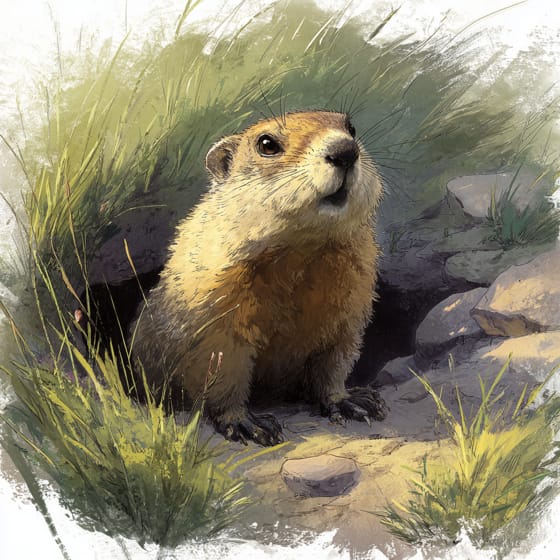
Marmota monax
eats the plant's foliage
Flowering plants are any plants that produce flowers as part of their reproductive cycle.
Shade tolerant plants are adapted to grow and thrive in areas with low light levels, requiring less direct sunlight.
Spring blooming plants produce their flowers during the spring season, often signifying the end of winter and the start of new growth.
Medicinal plants possess chemical compounds that can be used for therapeutic purposes to treat illnesses or maintain health.

Edible plants are those parts of a plant that are considered safe for human consumption.

Describes plants that are particularly attractive and beneficial to a wide range of pollinating organisms.

Forest habitats are terrestrial environments dominated by dense tree cover, supporting a high diversity of plant and animal life.
No aliases listed yet.
Danger
1/5 · Very low
Always look but don't touch plants unless you know they are safe.
The easiest way to identify Virginia waterleaf is to use the Snappit nature identifier app.
15-60 cm
30-45 cm
0.5-1 cm
Late spring to early summer (May-July)
Yes
None
Perennial
Zoom in to split clusters and explore where this object has been snapped.

Massachusetts, US
You might spot Eastern Newt, Purple Pitcher Plant, and Hobblebush.
View guide →
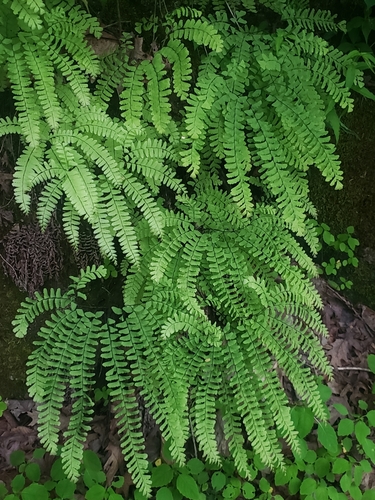
Iowa, US
You might spot Northern Maidenhair Fern and Wood Nettle.
View guide →

Illinois, US
You might spot Carolina Mantis and Goldenrod Soldier Beetle.
View guide →

Vermont, US
You might spot Asian Bittersweet, Alder Buckthorn, and Eastern Newt.
View guide →

New York, US
You might spot American Toad and Intermediate Wood Fern.
View guide →

Vermont, US
You might spot Eastern White Pine, Staghorn Sumac, and Box Elder.
View guide →
Take the discovery with you
Snap it with Snappit to identify it, learn what makes it special, and add the discovery to your collection.







.jpg&width=800)



_001.jpg&width=800)


