





Plum Pines
podocarpus
Plum Pines are tall trees with beautiful green needles that look like they belong in a fairy tale! They produce sweet, plum-like fruits that many animals love to eat.
Habitat: Plum Pines are usually found in forests, especially in subtropical and tropical regions.
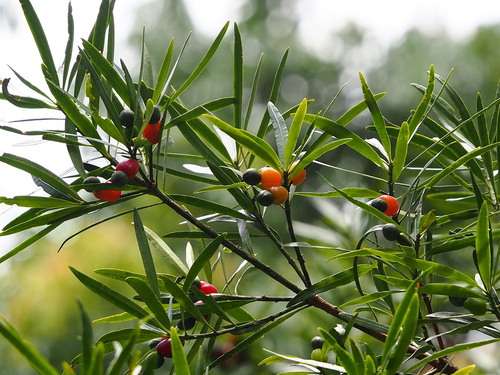
The Plum Pines is an evergreen conifer with dense, dark green, flattened needle-like leaves. It features distinctive, fleshy, often bright red or purple seed receptacles that resemble small berries, contrasting beautifully with its scaly, grey-brown bark.
Category
PlantsRarity
Common
Danger
0/5 · No known danger
Snaps
Be the first to snap!
Despite its name, Plum Pines isn't a true pine; its 'plums' are actually modified cones!
Some Plum Pines have ancient roots, thriving on Earth since the age of dinosaurs!
The tasty part of a Plum Pine seed isn't a fruit, but a fleshy stem called a receptacle!
They are found across continents, hinting at an ancient supercontinent called Gondwana!
Plum Pines has bright, fleshy seed coverings that attract birds and other animals, helping them scatter seeds far and wide for new growth.
Plum Pines can release millions of tiny pollen grains into the wind, allowing them to pollinate other trees across vast distances.
Plum Pines keeps its leaves all year, allowing it to photosynthesize and grow even when other trees have lost their foliage.
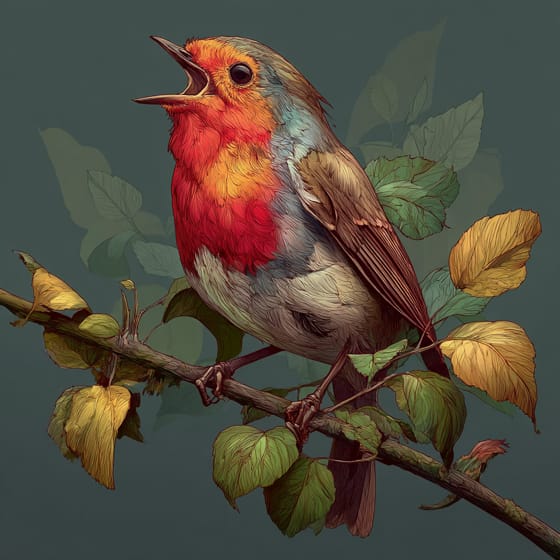
Turdus migratorius
eats the fleshy seed receptacle for energy
%2C_Parc_de_Woluw%C3%A9%2C_Brussels_(13042792905).jpg&width=800)
Parus major
nests in its dense foliage and branches
Russula brevipes
forms beneficial root connections for nutrient exchange
Arboreal animals live primarily in trees, utilizing them for shelter, food, and protection from predators.
Colorful describes organisms or objects displaying a wide range of bright and distinct colors.
This trait characterizes organisms whose diet consists entirely or primarily of plant material.
Forest habitats are terrestrial environments dominated by dense tree cover, supporting a high diversity of plant and animal life.

Diurnal animals are primarily active during daylight hours, typically resting or sleeping at night.
Danger
0/5 · No known danger
No special safety notes yet.
The easiest way to identify Plum Pines is to use the Snappit nature identifier app.
1000-3000 cm
300-1000 cm
Spring
Yes
Mild
Perennial
Wind
Zoom in to split clusters and explore where this object has been snapped.
Recent snaps will appear here as new observations are added.
Take the discovery with you
Snap it with Snappit to identify it, learn what makes it special, and add the discovery to your collection.








.jpg&width=800)



_001.jpg&width=800)




