





water horehounds
Lycopus
Water horehounds are special plants that grow near water. They have green leaves and tiny flowers that attract bees and butterflies. They like to live in wet places like marshes and ponds.
Habitat: Wetlands
The water horehounds has distinctive square stems and lance-shaped leaves with serrated edges. Its tiny white or pale pink flowers grow in dense clusters, called whorls, around the stem in the leaf axils, making it easy to spot in damp areas.
Category
PlantsRarity
Common
Danger
1/5 · Very low
Snaps
Be the first to snap!
Even though they love water, their leaves can help reduce water loss. Cool!
Its square stems are a secret clue it belongs to the amazing mint family!
Some people once used parts of this plant to make a natural brown dye.
Tiny seeds can float on water, helping them travel to new places. Wow!
Water horehounds can spread quickly using underground stems called rhizomes, helping it colonize wet areas effectively.
This plant has special roots that allow it to thrive in waterlogged, low-oxygen soils where other plants struggle.
Some species can absorb excess nutrients from the water, naturally helping to clean its watery home.
Apis mellifera
visits flowers for nectar and pollen
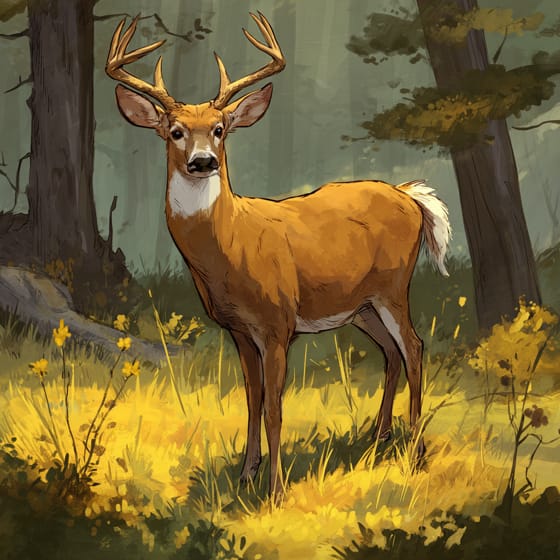
Odocoileus virginianus
browses on the leaves and stems

Eristalis tenax
visits flowers, collecting nectar
Flowering plants are any plants that produce flowers as part of their reproductive cycle.
Cluster flowers are inflorescences where individual flowers are arranged closely together on a common stem.
Medicinal plants possess chemical compounds that can be used for therapeutic purposes to treat illnesses or maintain health.
Edible plants are those parts of a plant that are considered safe for human consumption.

Describes plants that are particularly attractive and beneficial to a wide range of pollinating organisms.

This habitat trait identifies species found in wetlands, which are areas of land saturated with water, either permanently or seasonally, including marshes, swamps, and bogs.

Aquatic habitats encompass environments where organisms live predominantly in water, including oceans, rivers, lakes, and wetlands.
No aliases listed yet.
Danger
1/5 · Very low
Always stay on paths and don't touch plants without asking an adult.
The easiest way to identify water horehounds is to use the Snappit nature identifier app.
30-90 cm
30-60 cm
0.2-0.5 cm
Summer to fall
No
None
Perennial
Zoom in to split clusters and explore where this object has been snapped.
Recent snaps will appear here as new observations are added.
Take the discovery with you
Snap it with Snappit to identify it, learn what makes it special, and add the discovery to your collection.







.jpg&width=800)



_001.jpg&width=800)



