





Nepenthes
Nepenthes
Nepenthes are amazing plants that eat insects! They have pitcher-shaped traps filled with liquid that bugs fall into. These plants grow in tropical rainforests and have colorful, hanging pitchers.
Habitat: Rainforests
The Nepenthes has unique pitcher-shaped leaves that can be green, red, purple, or mottled. These colorful, often waxy-rimmed pitchers are its most distinctive feature, clearly different from typical foliage plants.
Category
PlantsRarity
Common
Danger
1/5 · Very low
Snaps
Be the first to snap!
Certain Nepenthes species grow as climbing vines, reaching high into the rainforest canopy!
One species, Nepenthes attenboroughii, was only discovered in 2009 on a remote Philippine mountain.
Some giant Nepenthes pitchers are big enough to catch small frogs or even mice!
The plant's vibrant colors and sweet nectar act like a delicious, but dangerous, beacon for hungry bugs.
Nepenthes has a waxy, slippery rim around its pitchers that causes insects to lose their footing and fall inside.
Nepenthes can produce digestive enzymes in its pitcher fluid that break down trapped prey to absorb nutrients.
Nepenthes has a lid over its pitcher opening that keeps rainwater out, preventing its digestive fluids from diluting.
Tupaia montana
tree shrew feeds on nectar and defecates in pitcher
Kerivoula hardwickii
bat roosts inside pitchers, providing nitrogen-rich droppings
Formica rufa
ants are a common prey item for many Nepenthes species
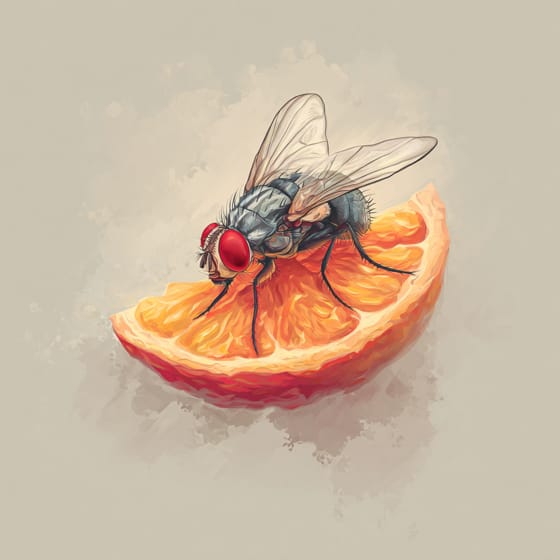
Drosophila melanogaster
small flies are frequently trapped in the pitchers
Evergreen plants retain their foliage throughout the year, never shedding all their leaves at once.
Fragrant flowers emit a pleasant aroma, often to attract pollinators or for defense.
Colorful describes organisms or objects displaying a wide range of bright and distinct colors.
Rapid growing plants exhibit accelerated growth rates, quickly increasing in size and biomass within a short period.

This trait signifies organisms belonging to a very old evolutionary group with ancestors dating back millions of years.

Carnivorous plants are predatory flowering plants that derive some or most of their nutrients from trapping and consuming animals or protozoans.

This habitat trait refers to species found in tropical rainforests, characterized by high annual rainfall, high biodiversity, and dense tree cover.
Danger
1/5 · Very low
Enjoy looking at Nepenthes, but never touch or try to feed them insects.
The easiest way to identify Nepenthes is to use the Snappit nature identifier app.
15-1500 cm
20-300 cm
0.5-2 cm
Year-round
No
None
Perennial
Zoom in to split clusters and explore where this object has been snapped.
Recent snaps will appear here as new observations are added.
Take the discovery with you
Snap it with Snappit to identify it, learn what makes it special, and add the discovery to your collection.









.jpg&width=800)


_001.jpg&width=800)



