.jpg&width=800)





Natterer's Bat
Myotis nattereri
Natterer's bats are small, friendly bats that love to eat insects. They have soft fur and big ears, which help them hear very well in the dark. These bats are great at flying and can be seen at dusk as they hunt for food.
Habitat: Forests
The Natterer's Bat has fluffy, grey-brown fur on its back with a contrasting white belly and a pinkish face. It has long, narrow ears and a unique fringe of stiff bristles along the edge of its tail membrane, which helps differentiate it.
Category
MammalsRarity
Common
Danger
1/5 · Very low
Snaps
Be the first to snap!
Female Natterer's Bats often gather in large maternity colonies to raise their single pup.
Natterer's Bats can live longer than 20 years, which is ancient for a tiny mammal!
Natterer's Bats sometimes eat spiders, making them one of the few bat species to regularly prey on arachnids!
This bat can snatch sleeping insects right off leaves and bark without landing!
Natterer's Bat uses quiet echolocation or listens for prey, helping it sneakily snatch insects directly from leaves and twigs.
Natterer's Bat has incredible maneuverability in flight, allowing it to hover and turn sharply to catch insects mid-air or off surfaces.
Natterer's Bat has a fringe of bristles on its tail membrane, possibly helping scoop up insects or aiding precise flight.
This tiny hunter loves to eat a variety of insects, especially moths and beetles.
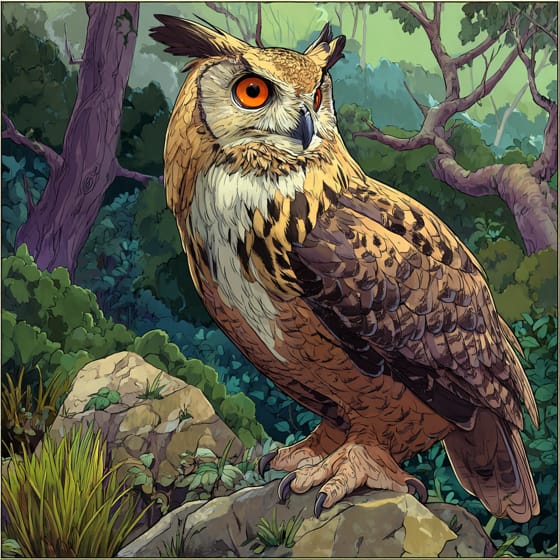
Bubo bubo
A large nocturnal bird of prey that can hunt bats.
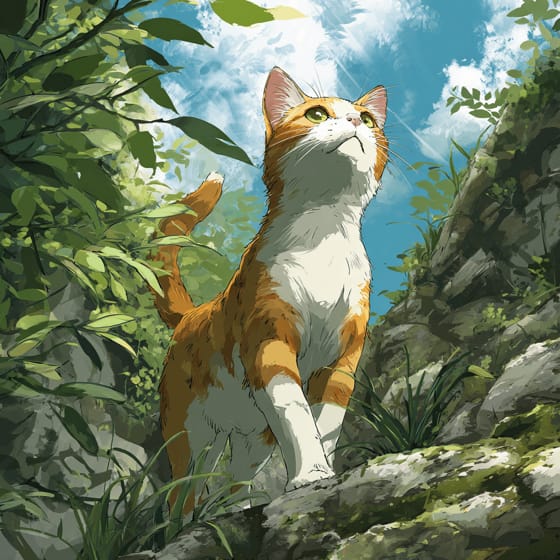
Felis catus
Feral and domestic cats are opportunistic predators of bats.
Agriotes lineatus
A common beetle prey item for the Natterer's Bat.
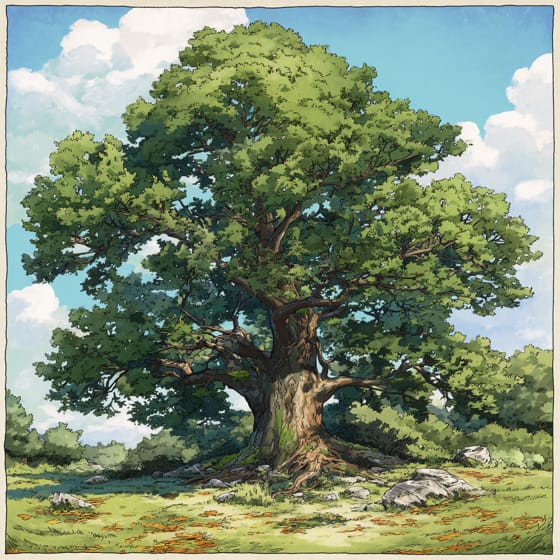
Quercus robur
Uses tree hollows and crevices in old oak trees for roosting.
Furry describes animals possessing a dense covering of soft hair or fur.
Social animals live in organized groups, cooperating for survival benefits such as foraging, defense, and raising offspring.
Aerial creatures spend a significant portion of their lives airborne, utilizing flight for various activities such as hunting, migration, or nesting.
This trait identifies organisms whose diet primarily consists of insects and other small invertebrates.

Echolocation is a biological sonar used by animals to navigate, hunt, and communicate by emitting sound waves and interpreting the echoes.

Forest habitats are terrestrial environments dominated by dense tree cover, supporting a high diversity of plant and animal life.

Nocturnal animals are primarily active during the nighttime hours, typically resting or sleeping during the day.
No aliases listed yet.
Danger
1/5 · Very low
Bats are usually shy and won't bother you, but it's best to watch them from a distance.
The easiest way to identify Natterer's Bat is to use the Snappit nature identifier app.
4.1-5.8 cm
24-28 cm
0.007-0.012 kg
15-20 years
30 km/h
This tiny hunter loves to eat a variety of insects, especially moths and beetles.
Forests
Zoom in to split clusters and explore where this object has been snapped.
Recent snaps will appear here as new observations are added.
Take the discovery with you
Snap it with Snappit to identify it, learn what makes it special, and add the discovery to your collection.




.jpg&width=800)


.JPG&width=800)



.jpg&width=800)
