

West Coast Ant Cricket
Myrmecophilus oregonensis
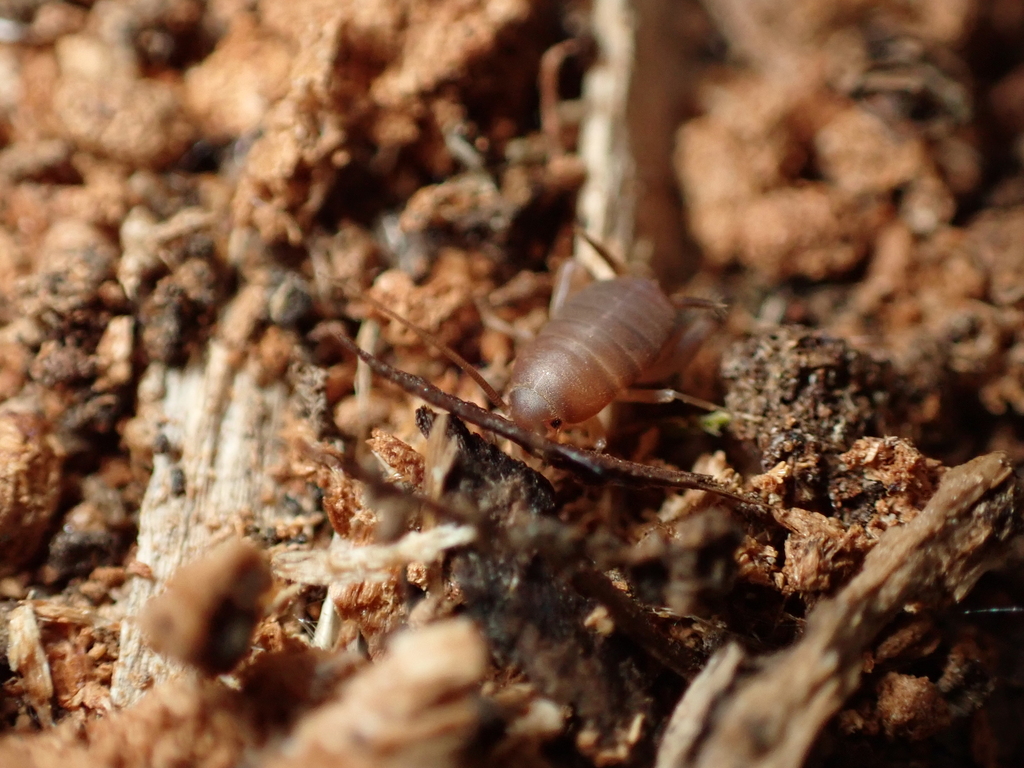
The West Coast Ant Cricket is a tiny insect that loves to hang out with ants! It has long legs and a special body that helps it blend in with its ant friends.
Habitat: Coastal areas
The West Coast Ant Cricket is a tiny, rounded, wingless insect, usually pale yellow to light brown. It has a smooth, somewhat flattened body and very long, slender antennae that help it navigate in the dark ant nests.
Category
InsectsRarity
Common
Danger
1/5 · Very low
Snaps
Be the first to snap!
If an ant gets too close, this tiny cricket will often play completely still!
Some West Coast Ant Crickets live their whole lives in total darkness!
They can ride on the backs of busy ants to travel around the nest!
This cricket has no wings at all, so it can't fly!
West Coast Ant Cricket can trick ants by smelling like them because of special chemicals, helping them live safely in ant nests.
West Coast Ant Cricket has a knack for sneaking around because it moves quietly, finding tiny food bits ants leave behind.
West Coast Ant Cricket can play dead when threatened because it freezes completely, making ants think it's just a pebble.
This tiny cricket is a scavenger, munching on leftover food and waste inside ant nests.
Formica fusca
Lives within their colonies, feeding on scraps.
Camponotus modoc
Inhabits nests of this common West Coast carpenter ant.
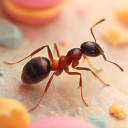
Tapinoma sessile
Can be found in colonies of these common ants.
Social animals live in organized groups, cooperating for survival benefits such as foraging, defense, and raising offspring.
This trait identifies organisms whose diet includes both plant and animal matter.
Scavengers consume dead organic matter, helping to decompose carcasses and other waste in the ecosystem.
Camouflaged describes organisms that possess coloring or patterns that allow them to blend into their environment.
This trait identifies organisms whose diet primarily consists of insects and other small invertebrates.
Coastal habitats are dynamic environments located along the interface between land and sea, influenced by tides, waves, and saltwater.
Pertaining to species that are significantly smaller than typical or average for their kind.
Nocturnal animals are primarily active during the nighttime hours, typically resting or sleeping during the day.
No aliases listed yet.
Danger
1/5 · Very low
Be gentle and watch where you step, as small insects like crickets can be easily missed.
Look for six legs, antennae, three body sections and the shape of the wings. Beetles have hardened front wings; flies have just one working pair. Tiny insects may need a close view before their group is clear. Insect Identifier: upload a photo and compare the visible details.
2-4 mm
60-120 days
This tiny cricket is a scavenger, munching on leftover food and waste inside ant nests.
Coastal areas
Foraging
6
Zoom in to split clusters and explore where this object has been snapped.
Recent snaps will appear here as new observations are added.
Take the discovery with you
Snap it with Snappit to identify it, learn what makes it special, and add the discovery to your collection.