





West Indian milkberry
Chiococca alba
The West Indian milkberry is a small shrub with shiny green leaves and sweet, edible berries. It grows in warm places and is loved by birds and other animals.
Habitat: Coastal areas
The West Indian milkberry is a sprawling or climbing shrub with shiny, dark green leaves. It produces small, bell-shaped, fragrant white flowers that develop into distinctive, spherical, bright white berries, resembling tiny pearls.
Category
PlantsRarity
Common
Danger
1/5 · Very low
Snaps
Be the first to snap!
Despite being called 'milkberry,' its juicy white fruits taste sweet, not milky, and are enjoyed by wildlife!
Indigenous cultures have used parts of this plant for traditional remedies for hundreds of years!
Its scientific name, Chiococca, means 'snow berry' in Greek, describing its striking white fruits!
This plant is a cousin to coffee! Both belong to the same plant family, Rubiaceae.
West Indian milkberry produces bright white berries that stand out against green leaves, helping birds find and spread its seeds far!
Its tiny white flowers release a sweet fragrance that helps attract bees and butterflies, ensuring successful pollination.
West Indian milkberry can climb using its sturdy stems, allowing it to reach sunlight even in dense forest areas.
Apis mellifera
collects nectar from its flowers

Danaus plexippus
visits flowers for sweet nectar
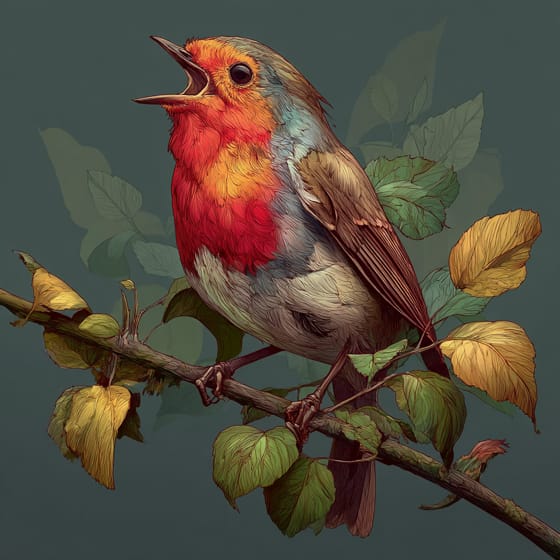
Turdus migratorius
eats the white berries, dispersing seeds
Mimocichla plumbea
feeds on the berries in the Caribbean
A shrub is a woody plant smaller than a tree, typically with multiple stems branching from or near the ground.
Evergreen plants retain their foliage throughout the year, never shedding all their leaves at once.
Fruit-bearing plants produce fruits, which are the mature ovaries of flowering plants containing seeds.
Edible plants are those parts of a plant that are considered safe for human consumption.

Describes plants that are particularly attractive and beneficial to a wide range of pollinating organisms.

Coastal habitats are dynamic environments located along the interface between land and sea, influenced by tides, waves, and saltwater.
No aliases listed yet.
Danger
1/5 · Very low
Always check with an adult before tasting any berries from plants.
The easiest way to identify West Indian milkberry is to use the Snappit nature identifier app.
100-400 cm
100-300 cm
0.5-1 cm
Year-round, peaking in warmer months
Yes
None
Perennial
Zoom in to split clusters and explore where this object has been snapped.
Recent snaps will appear here as new observations are added.
Take the discovery with you
Snap it with Snappit to identify it, learn what makes it special, and add the discovery to your collection.










.jpg&width=800)



_001.jpg&width=800)


