





Christmas berry
Pourthiaea villosa
Christmas berry is a cheerful plant that grows bright red berries during the holiday season. Its shiny leaves and colorful fruits make it a favorite in gardens and decorations.
Habitat: Urban areas
The Christmas berry is a deciduous shrub or small tree with glossy green leaves that ignite into fiery reds and oranges in autumn. It displays clusters of small white flowers in spring, followed by abundant, bright scarlet berries that persist through winter, making it distinctively vibrant.
Category
PlantsRarity
Common
Danger
2/5 · Low
Snaps
2
Birds love its juicy red berries so much, they accidentally help plant new Christmas berry trees!
Even though it's called Christmas berry, it's actually a relative of roses, but without the thorns!
In autumn, its leaves turn such a vibrant red, it looks like the tree is on fire with color!
Its scientific name, *villosa*, means 'hairy,' referring to the tiny fuzz on its new twigs!
Christmas berry has bright red berries that stay on its branches all winter, providing crucial food for birds when other food is scarce.
Christmas berry can change its green leaves into stunning shades of red and orange in fall, attracting attention and helping it thrive.
Christmas berry has the ability to grow in many different soil types and conditions, helping it survive in various environments.
Apis mellifera
They visit its small white flowers for nectar and pollen.
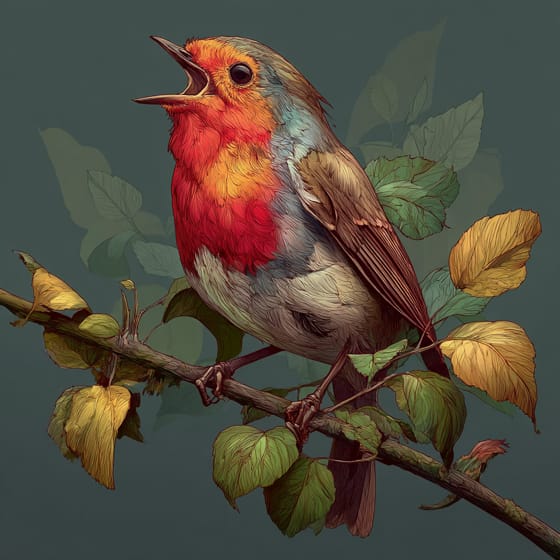
Turdus migratorius
Robins feast on its persistent red berries in winter, spreading seeds.
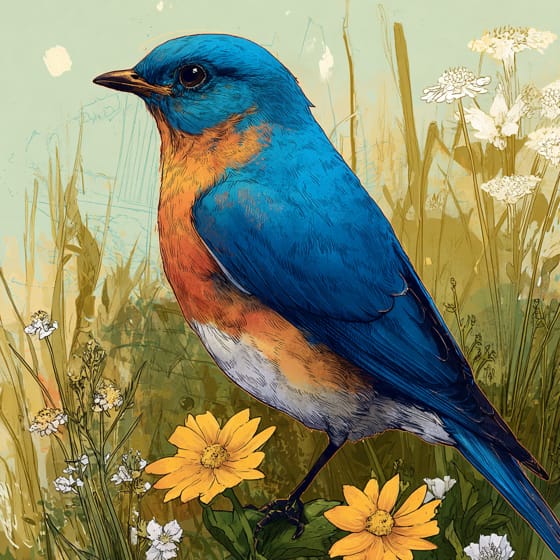
Sialia sialis
Bluebirds also rely on its berries for food during colder months.
Flowering plants are any plants that produce flowers as part of their reproductive cycle.
Ornamental plants are cultivated primarily for their aesthetic appeal, enhancing landscapes and gardens with their attractive foliage, flowers, or form.
A shrub is a woody plant smaller than a tree, typically with multiple stems branching from or near the ground.
Evergreen plants retain their foliage throughout the year, never shedding all their leaves at once.

Fruit-bearing plants produce fruits, which are the mature ovaries of flowering plants containing seeds.

Colorful describes organisms or objects displaying a wide range of bright and distinct colors.

Edible plants are those parts of a plant that are considered safe for human consumption.

Describes plants that are particularly attractive and beneficial to a wide range of pollinating organisms.

Forest habitats are terrestrial environments dominated by dense tree cover, supporting a high diversity of plant and animal life.

This habitat trait indicates species that can coexist with humans in urban and suburban environments, utilizing man-made structures and green spaces.
No aliases listed yet.
Danger
2/5 · Low
Do not eat the berries without asking an adult, as some plants can be harmful.
The easiest way to identify Christmas berry is to use the Snappit nature identifier app.
300-600 cm
300-600 cm
0.5-1 cm
Spring
No
Mild
Perennial
Zoom in to split clusters and explore where this object has been snapped.

Connecticut, US
You might spot Spongy Moth, Eastern Tent Caterpillar Moth, and Monarch.
View guide →

Connecticut, US
You might spot Spongy Moth and Eastern Tent Caterpillar Moth.
View guide →
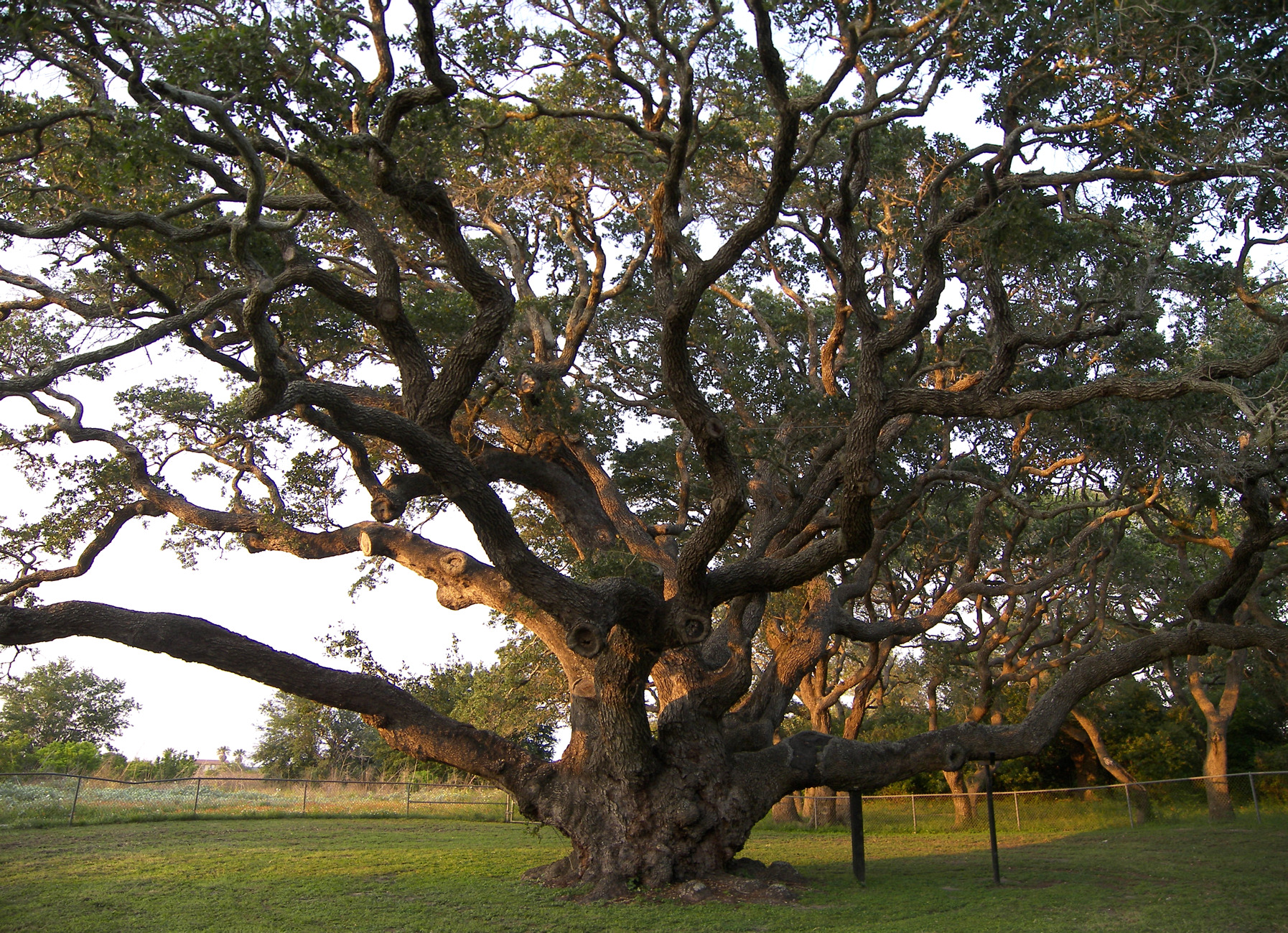
Texas, US
You might spot Brown Pelican, White-Tailed Deer, and Laughing Gull.
View guide →

Texas, US
You might spot Brewer's Blackbird and Texas Sandsheet Beebalm.
View guide →
Take the discovery with you
Snap it with Snappit to identify it, learn what makes it special, and add the discovery to your collection.







.jpg&width=800)



_001.jpg&width=800)


