





Western Carpenter Bee
Xylocopa californica
The Western Carpenter Bee is a big, fuzzy bee that loves to buzz around flowers. They are great at pollinating plants and making gardens beautiful!
Habitat: Urban areas
The Western Carpenter Bee is a large, robust bee, often black with a shiny, hairless abdomen that distinguishes it from fuzzy bumblebees. Males may have yellow markings on their thorax and face. Its wings often have a beautiful iridescent sheen.
Category
InsectsRarity
Common
Danger
1/5 · Very low
Snaps
2
Females create tiny rooms in wood tunnels, each for one developing bee!
Male carpenter bees can't sting; they just buzz loudly to seem scary!
Sometimes they chew holes in flowers to steal nectar without pollinating them!
They love sipping nectar from big, colorful flowers like sunflowers and passionflowers.
Western Carpenter Bee can vibrate flowers rapidly to release pollen, a 'buzz pollination' trick for collecting more food.
Western Carpenter Bee has powerful wing muscles, enabling swift, efficient flight between blossoms and nesting spots.
These fuzzy flyers drink nectar for energy and collect pollen to feed their babies.
Age differences: Larvae feed on pollen and nectar provisions left by the mother.
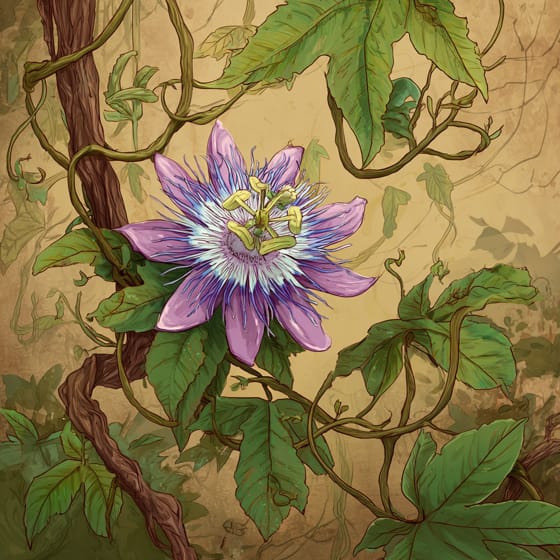
Passiflora edulis
Visits large, open flowers for nectar and pollen.
Helianthus annuus
Collects pollen and nectar from bright yellow blooms.
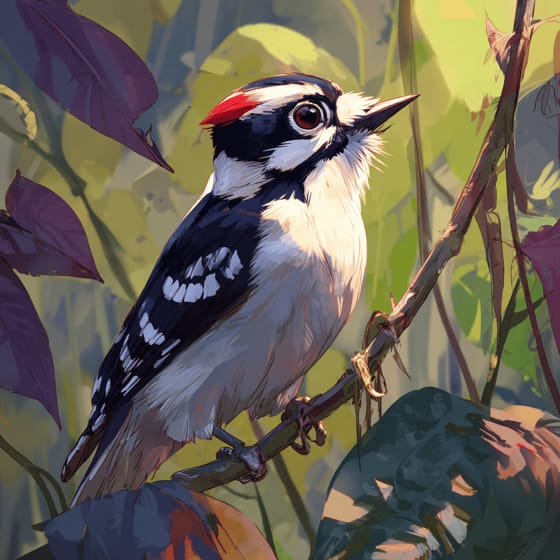
Dryobates pubescens
Drills into wood nests to find larvae and adult bees.
Furry describes animals possessing a dense covering of soft hair or fur.
Solitary animals live alone for most of their lives, only interacting with others for mating or parental care.
This trait characterizes organisms whose diet consists entirely or primarily of plant material.
Describes plants that are particularly attractive and beneficial to a wide range of pollinating organisms.

Diurnal animals are primarily active during daylight hours, typically resting or sleeping at night.

Describes a species whose presence and role have a disproportionately large effect on its environment.

This habitat trait indicates species that can coexist with humans in urban and suburban environments, utilizing man-made structures and green spaces.

Describes organisms that transfer pollen, enabling the fertilization and reproduction of plants.
No aliases listed yet.
Danger
1/5 · Very low
Don't disturb bees; they are usually busy and just want to collect pollen.
The easiest way to identify Western Carpenter Bee is to use the Snappit nature identifier app.
30-50 mm
15-25 mm
300-365 days
20 km/h
These fuzzy flyers drink nectar for energy and collect pollen to feed their babies.
Urban areas
Foraging
Zoom in to split clusters and explore where this object has been snapped.
Take the discovery with you
Snap it with Snappit to identify it, learn what makes it special, and add the discovery to your collection.







.jpg&width=800)



