





Xestoleptura Crassipes
xestoleptura crassipes
The Xestoleptura Crassipes is a fascinating beetle that loves to be around decaying wood. Its bright colors and unique patterns make it a fun find for young explorers!
Habitat: Forests and gardens, particularly where there is decaying wood.
The Xestoleptura Crassipes is a slender longhorn beetle, typically black with distinctive orange-yellow markings on its wing covers, often forming stripes or bands. It has very long antennae and noticeably thick hind legs, which gives it its 'crassipes' name.
Category
InsectsRarity
Common
Danger
1/5 · Very low
Snaps
1
Baby Xestoleptura Crassipes live inside dead trees for years!
Its long antennae can sometimes be longer than its entire body!
The name 'crassipes' means 'thick foot' in Latin, describing its sturdy legs.
This beetle helps flowers grow by spreading their pollen around.
Xestoleptura Crassipes larvae can munch through dead hardwood because of special enzymes, helping them recycle forest nutrients.
Adult Xestoleptura Crassipes has excellent antennae that help them locate flowers for nectar and pollen from afar.
Xestoleptura Crassipes has thick hind legs that help them firmly grip onto plant stems and flowers while feeding.
Adults sip nectar and pollen, while larvae munch on dead wood, helping recycle forests!
Age differences: Adults consume nectar and pollen from flowers, while larvae feed on decaying wood.

Asclepias syriaca
Adults visit flowers for nectar and pollen.
Solidago canadensis
Adults are often found feeding on its flowers.
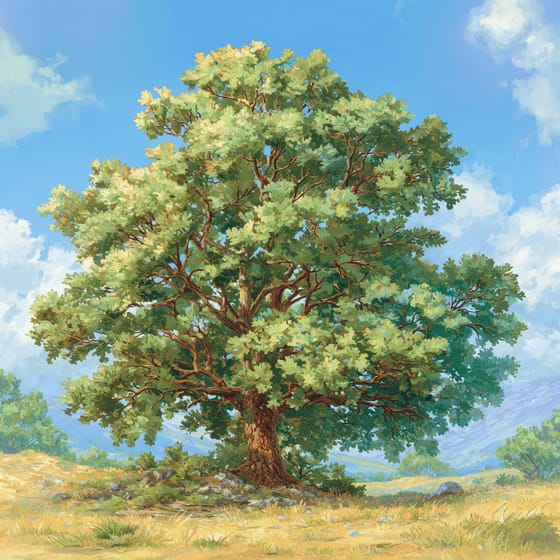
Quercus alba
Larvae develop inside and consume decaying wood.
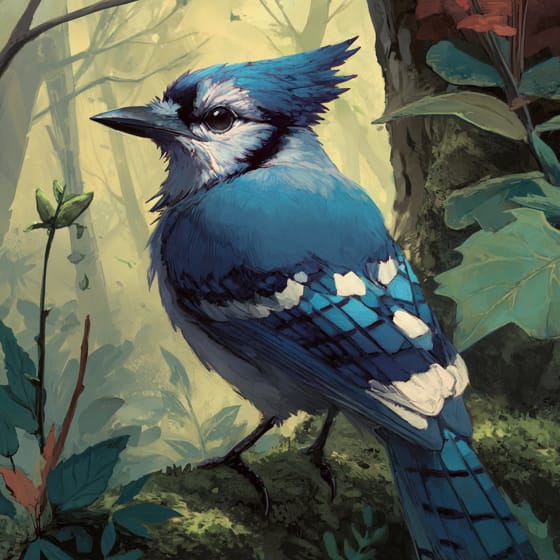
Cyanocitta cristata
Birds may prey on adult beetles.
Solitary animals live alone for most of their lives, only interacting with others for mating or parental care.
Colorful describes organisms or objects displaying a wide range of bright and distinct colors.
This trait characterizes organisms whose diet consists entirely or primarily of plant material.
Describes organisms that break down dead organic material, recycling nutrients back into the ecosystem.

Forest habitats are terrestrial environments dominated by dense tree cover, supporting a high diversity of plant and animal life.
Danger
1/5 · Very low
No special safety notes yet.
The easiest way to identify Xestoleptura Crassipes is to use the Snappit nature identifier app.
20-35 mm
8-16 mm
30-60 days
Adults sip nectar and pollen, while larvae munch on dead wood, helping recycle forests!
Forests and gardens, particularly where there is decaying wood.
Foraging
6
Zoom in to split clusters and explore where this object has been snapped.
Take the discovery with you
Snap it with Snappit to identify it, learn what makes it special, and add the discovery to your collection.









.jpg&width=800)


