





Aspen Serpentine Leafminer Moth
Phyllocnistis populiella
The Aspen Serpentine Leafminer Moth is a tiny moth that loves to live on aspen trees. It makes little tunnels in the leaves where it grows, making it a special friend of the trees!
Habitat: Forests
The Aspen Serpentine Leafminer Moth is a tiny, delicate insect, typically 3-4mm long, with a wingspan of 6-8mm. Its silvery-white wings feature intricate dark brown and black markings, often with a distinct black spot and a tuft of scales near the wingtip. Its head and body are also silvery-white, making it blend well with bark.
Category
InsectsRarity
Common
Danger
1/5 · Very low
Snaps
Be the first to snap!
A single Aspen leaf can be home to many leafminer larvae, creating a busy map!
Adult moths usually don't eat at all; they live off energy stored as larvae!
Its scientific name, Phyllocnistis populiella, literally means 'leaf-weaver of poplar trees.'
The tiny larva is flatter than a piece of paper, allowing it to squeeze inside a leaf!
Aspen Serpentine Leafminer Moth larvae can tunnel through leaves because their tiny bodies create winding paths, eating safely inside.
Aspen Serpentine Leafminer Moth larvae spin a silk mat inside the leaf mine that helps them stay anchored and safe.
Aspen Serpentine Leafminer Moths can sniff out their favorite aspen trees using special antennae sensors to lay eggs.
Aspen Serpentine Leafminer Moth pupae transform into adults hidden inside the leaf mine, using the leaf as a secret cocoon.
Larvae munch on nutrients within tree leaves; adult moths do not eat at all.
Age differences: Larvae feed on leaf tissue, but adult moths do not consume food.
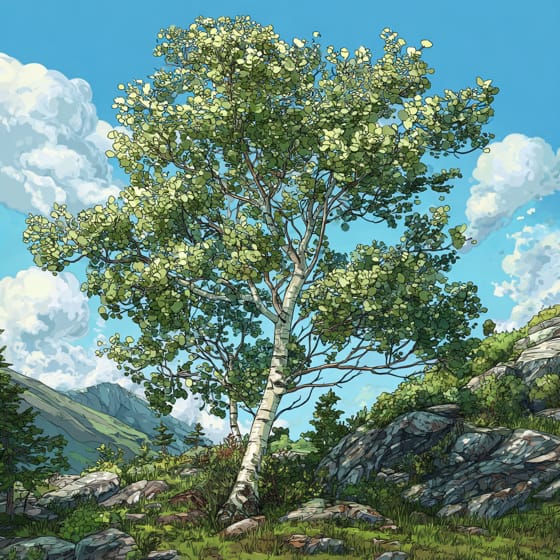
Populus tremuloides
Larvae consume tissue inside the leaves.
Chrysocharis nitetis
Lays eggs on or in larvae within leaf mines.
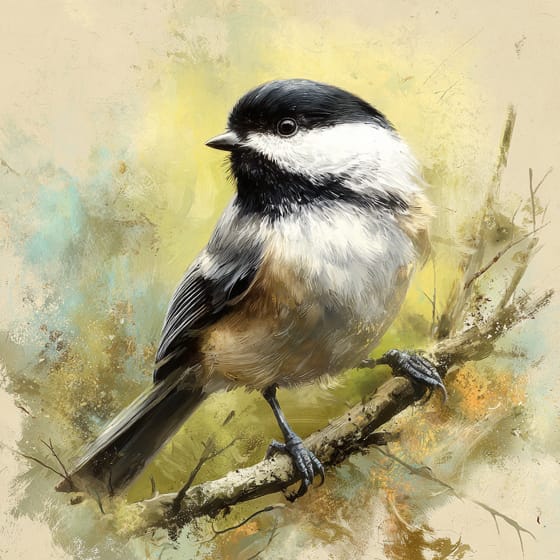
Poecile atricapillus
Forages on larvae and pupae in leaves.
Solitary animals live alone for most of their lives, only interacting with others for mating or parental care.
This trait characterizes organisms whose diet consists entirely or primarily of plant material.
Describes a relationship between two different species where they live in close association, often benefiting one or both.
Forest habitats are terrestrial environments dominated by dense tree cover, supporting a high diversity of plant and animal life.

Diurnal animals are primarily active during daylight hours, typically resting or sleeping at night.

Describes a species whose presence and role have a disproportionately large effect on its environment.

Pertaining to species that are significantly smaller than typical or average for their kind.

Describes organisms that transfer pollen, enabling the fertilization and reproduction of plants.
No aliases listed yet.
Danger
1/5 · Very low
These moths are harmless, but it's best to look and not touch them.
The easiest way to identify Aspen Serpentine Leafminer Moth is to use the Snappit nature identifier app.
6-8 mm
3-4 mm
7-14 days
Larvae munch on nutrients within tree leaves; adult moths do not eat at all.
Forests
Foraging
6
Zoom in to split clusters and explore where this object has been snapped.
Recent snaps will appear here as new observations are added.
Take the discovery with you
Snap it with Snappit to identify it, learn what makes it special, and add the discovery to your collection.







.jpg&width=800)


