





Western Fairy Lady Beetle
Psyllobora borealis
The Western Fairy Lady Beetle is a small, round beetle with a bright yellow body and black spots. They are friendly little bugs that love to munch on soft, fuzzy mold and keep our plants healthy.
Habitat: Forests
The Western Fairy Lady Beetle is bright yellow with variable black spots, typically 11-13 on its rounded, dome-shaped body. Its distinct yellow color and pattern make it easily recognizable among other lady beetles.
Category
InsectsRarity
Common
Danger
1/5 · Very low
Snaps
1
If disturbed, they can "play dead" by retracting their legs and falling to the ground!
Lady beetles got their name from farmers who called them "Our Lady's Beetles" long ago!
Many lady beetles eat aphids, but this one prefers a completely different meal: fungi!
Their larvae look like tiny, spiky, cream-colored caterpillars before they become adult beetles!
Western Fairy Lady Beetle can eat powdery mildew because it's a mycophagous insect that helps control plant diseases.
Western Fairy Lady Beetle has foul-tasting chemicals that help them deter predators when feeling threatened or scared.
Western Fairy Lady Beetle can fly to new feeding grounds using its strong wings, helping them find more mold to eat.
This beetle loves to munch on tiny fungi, helping keep plants healthy and happy!
Erysiphe cichoracearum
eats this mildew on various plants
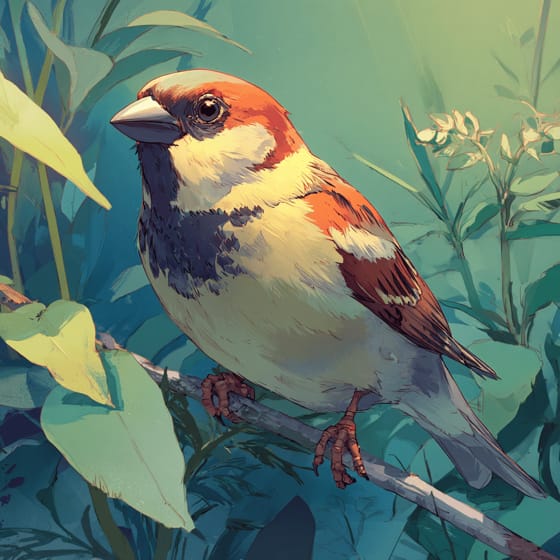
Passer domesticus
a common bird predator in its range
Araneus diadematus
a spider that can catch them in webs
Marked with spots or patches of a different color.
Social animals live in organized groups, cooperating for survival benefits such as foraging, defense, and raising offspring.
Colorful describes organisms or objects displaying a wide range of bright and distinct colors.
This trait characterizes organisms whose diet consists entirely or primarily of plant material.

Describes organisms that break down dead organic material, recycling nutrients back into the ecosystem.

Forest habitats are terrestrial environments dominated by dense tree cover, supporting a high diversity of plant and animal life.

Diurnal animals are primarily active during daylight hours, typically resting or sleeping at night.

Describes organisms that transfer pollen, enabling the fertilization and reproduction of plants.
No aliases listed yet.
Danger
1/5 · Very low
These beetles are safe to observe, but be gentle and don't touch them too much.
The easiest way to identify Western Fairy Lady Beetle is to use the Snappit nature identifier app.
5-8 mm
2.5-4 mm
60-120 days
5 km/h
This beetle loves to munch on tiny fungi, helping keep plants healthy and happy!
Forests
Foraging
Zoom in to split clusters and explore where this object has been snapped.
Take the discovery with you
Snap it with Snappit to identify it, learn what makes it special, and add the discovery to your collection.








.jpg&width=800)


