





Western False Gromwell
lithospermum occidentale
The Western False Gromwell is a beautiful flowering plant that can be found in many grasslands. Its bright blue flowers attract butterflies and other pollinators, making it a delightful sight in nature!
Habitat: It lives in grasslands, open fields, and rocky areas in North America.
The Western False Gromwell is an upright plant with hairy stems and narrow, bristly green leaves. It produces clusters of small, bright yellow-orange, funnel-shaped flowers at the tips of its branches. These vibrant blooms make it distinct in its dry habitats.
Category
PlantsRarity
Common
Danger
0/5 · No known danger
Snaps
1
Its bright yellow-orange flowers are a popular stop for various small native bees looking for nectar.
Its name 'gromwell' comes from its seeds that look like tiny, hard stones!
The Western False Gromwell belongs to the Borage family, which is famous for its bristly or hairy plants.
This tough plant often thrives in dry, rocky soils where many other plants struggle to grow.
Western False Gromwell has a long taproot that helps it find water deep underground, allowing it to survive dry periods.
It has tiny hairs covering its leaves and stems, which help trap moisture and protect the plant from harsh sun.
Western False Gromwell produces hard, stone-like seeds called nutlets that are easily dispersed by animals or rolling.
Apis mellifera
visits flowers for nectar

Bombus pensylvanicus
gathers nectar and pollen
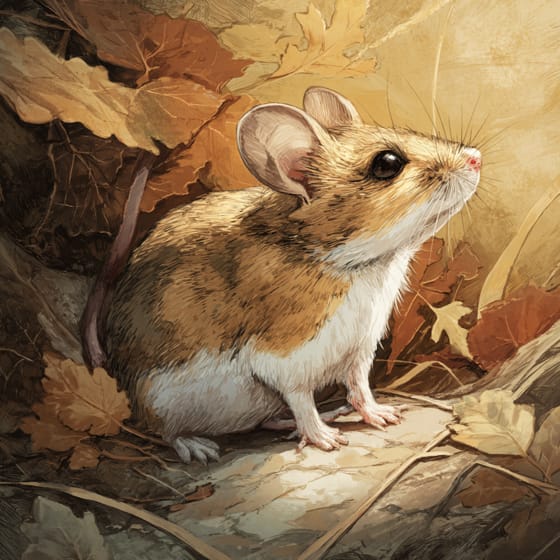
Peromyscus maniculatus
may consume fallen seeds
Colorful describes organisms or objects displaying a wide range of bright and distinct colors.
Grassland habitats are terrestrial biomes dominated by grasses and herbaceous plants, supporting a variety of grazing animals.
This trait characterizes organisms whose diet consists entirely or primarily of plant material.
Diurnal animals are primarily active during daylight hours, typically resting or sleeping at night.

Describes organisms that transfer pollen, enabling the fertilization and reproduction of plants.
Danger
0/5 · No known danger
No special safety notes yet.
The easiest way to identify Western False Gromwell is to use the Snappit nature identifier app.
30-80 cm
20-40 cm
0.5-1 cm
Late spring to summer
No
None
Perennial
Zoom in to split clusters and explore where this object has been snapped.

Minnesota, US
You might spot Red-Tailed Hawk, Canada Goose, and Western Meadowlark.
View guide →

Illinois, US
You might spot Common Eastern Bumble Bee and Monarch.
View guide →
.jpg)
South Dakota, US
You might spot Least Chipmunk and Rocky Mountains Ponderosa Pine.
View guide →
Take the discovery with you
Snap it with Snappit to identify it, learn what makes it special, and add the discovery to your collection.









.jpg&width=800)



_001.jpg&width=800)




