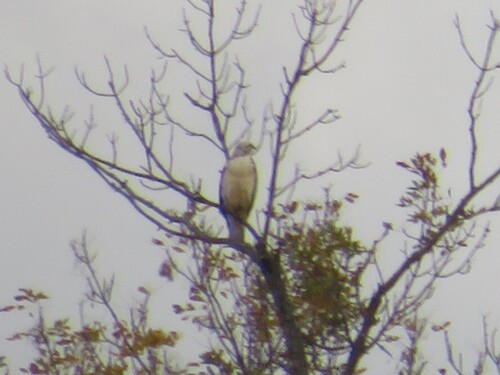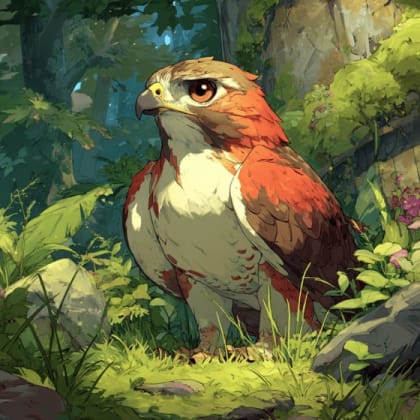





Red Tailed Hawk

Discover Danebod, a living testament to Danish-American heritage nestled in the heart of Tyler, Minnesota.
Discover Danebod, a living testament to Danish-American heritage nestled in the heart of Tyler, Minnesota. This historic campus is more than just a collection of buildings; it's a vibrant cultural center and folk school preserving the spirit of lifelong learning and community. Recognized on the National Register of Historic Places, Danebod embodies the Grundtvigian philosophy of "learning for living," fostering enlightenment, fellowship, and a deep connection to Danish traditions amidst the expansive prairie landscape.
The campus boasts architectural treasures, each telling a story. The iconic Cross Church, dedicated in 1895, captivates with its ship-like design, porthole windows, and a suspended miniature ship symbolizing its maritime heritage. Inside, visitors can admire Thorvaldsen's statue of Christ and a granite baptismal font hand-carved by Christian Duce. The Folk School, Stone Hall (housing a museum of Danebod's history), and Gym Hall showcase a blend of Gothic-style windows, fieldstone construction, and spaces designed for communal gathering, learning, and celebration.
A visit to Danebod is an immersive journey into Danish-American culture and history, offering a peaceful retreat and a rich educational experience. Whether attending one of its renowned summer family camps, participating in the annual Folk Meeting with its lectures, singing, and folk dancing, or simply exploring the historic grounds, Danebod provides a memorable opportunity to connect with a unique legacy. The tranquil prairie setting, combined with engaging programs and architectural beauty, makes it a truly special destination worth experiencing. Planning to visit? Download the Snappit app to identify the wildlife you spot in real-time.
Danebod was founded in 1884 by Danish immigrants in Tyler, Minnesota, who were inspired by the teachings of N.F.S. Grundtvig, a prominent Danish philosopher and educator. The community's first pastor, H.J. Pedersen, spearheaded the effort to establish a folk school, believing in the importance of education for good citizenship and preserving Danish language, art, and culture. The first wooden Folk School building was completed in 1888, serving young men in winter and young women in summer sessions. The campus expanded rapidly with the addition of the Stone Hall in 1889, originally serving as a communal space and temporary church, built with field stones gathered from nearby Swan Lake. By 1895, the distinctive Cross Church was dedicated. Although the original wooden Folk School tragically burned down in 1917, the community quickly rebuilt it as a brick structure in the same year. The Danebod Folk School, Church, Stone Hall, and Gym Hall were collectively listed on the National Register of Historic Places in 1975, recognizing their significant architectural and cultural value.
Take a self-guided tour of the historic buildings, including the Cross Church, Folk School, Stone Hall, and Gym Hall.
* Explore the museum exhibits within the Stone Hall.
* Attend a summer family camp or the annual Danebod Folk Meeting for lectures, singing, dancing, and fellowship (check calendar for dates).
* Enjoy the peaceful prairie views and spacious grounds.
* Rent facilities for retreats, family reunions, or weddings.
Summer (June-August): Buzzing with activity due to family camps and the Folk Meeting. Expect warmer temperatures and potential for mosquitoes; the screened Pavilion offers relief.
Spring/Fall: Pleasant temperatures, ideal for walking the grounds. Fewer organized events outside of summer.
Winter: Quieter, with opportunities for peaceful reflection. The Danebod Lutheran Church continues regular worship services.
The newer Danebod Lodge (built 2018) offers handicapped accessible bedrooms with full baths. The Folk School building has a covered ramp for limited access. Some older buildings or dormitory rooms may require stairs.
The Cross Church with its ship-like architecture and interior details like Thorvaldsen's Christ statue and the suspended ship "Danebod." The Stone Hall, which functions as an unofficial museum showcasing historical artifacts. The Folk School building, an architectural gem with its Gothic-style windows and crenellated tower.
Each card links to a full Explore page with photos, traits, and fun facts.
Start with the big picture, then zoom in to explore individual wildlife observations around this place.
Check the official Danebod websites or calendars for upcoming events like the Folk Meeting or Family Camps, as these offer the most immersive cultural experience.
Wear comfortable shoes for exploring the campus grounds and buildings.
Bring a camera to capture the unique architecture, especially the Cross Church's interior details and the Folk School's distinctive tower.
Consider lodging at the Danebod Lodge for modern, accessible accommodations, or experience the dormitory-style living in the historic Folk School for a more traditional folk school feel.
Allow time to simply relax and enjoy the serene prairie landscape surrounding the campus.
If visiting during summer, bring insect repellent, especially for evenings at the Pavilion.
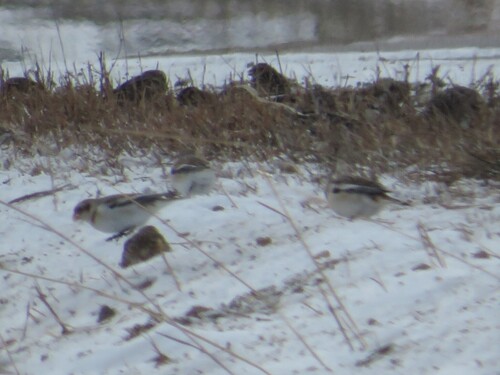
Dec 1, 2025
Photo attribution
(c) Dani Alba, some rights reserved (CC BY)
License: CC BY 4.0 ↗
Image may be shown cropped inside the card frame.
Sep 18, 2025
Photo attribution
(c) Dani Alba, some rights reserved (CC BY)
License: CC BY 4.0 ↗
Image may be shown cropped inside the card frame.
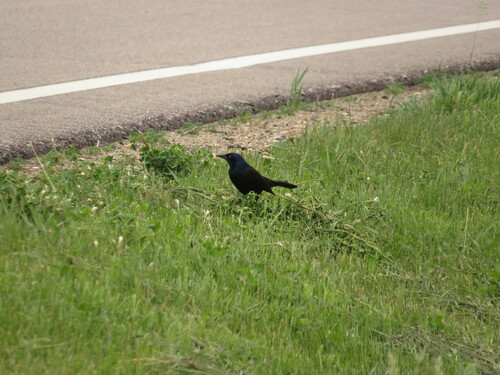
Jun 13, 2025
Photo attribution
(c) Dani Alba, some rights reserved (CC BY)
License: CC BY 4.0 ↗
Image may be shown cropped inside the card frame.
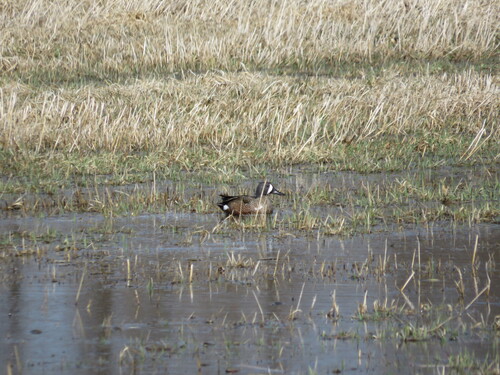
Apr 8, 2025
Photo attribution
(c) Dani Alba, some rights reserved (CC BY)
License: CC BY 4.0 ↗
Image may be shown cropped inside the card frame.
Sep 17, 2024
Photo attribution
(c) Dani Alba, some rights reserved (CC BY)
License: CC BY 4.0 ↗
Image may be shown cropped inside the card frame.

Maryland, US
You might spot White-Tailed Deer and Eastern Gray Squirrel.
View guide →
.jpg)
District of Columbia, US
You might spot Eastern Gray Squirrel, Duck, and House Sparrow.
View guide →

Illinois, US
You might spot American Robin, Canada Goose, and House Sparrow.
View guide →

Virginia, US
You might spot Spotted Lanternfly and Northern Cardinal.
View guide →
Take the discovery with you
Identify the wildlife you spot, learn as you go, and keep a collection of the adventure.