_(cropped).jpg&width=800)





Pied-billed Grebe
Podilymbus podiceps
The Pied-billed Grebe is a small, diving bird that loves to swim in lakes and ponds. With its cute, chunky body and short bill, it can be hard to spot, but it’s always having fun underwater!
Habitat: Wetlands
The Pied-billed Grebe is a small, chunky brown waterbird with a large head and a distinctive pale bill marked by a black band during breeding season. It has a short neck, a fluffy white undertail, and no visible tail, setting it apart from ducks.
Category
BirdsRarity
Common
Danger
1/5 · Very low
Snaps
25
Baby grebes often ride on their parents' backs, even when swimming or diving!
Their unique bill is strong enough to crush the hard shells of crayfish!
They build a nest that floats on water, anchored to underwater plants.
When threatened, they can vanish by silently sinking straight down like a ghost!
Pied-billed Grebe has lobed feet that propel it powerfully underwater, helping it chase and catch slippery prey.
Pied-billed Grebe can swallow its own feathers to protect its stomach lining from sharp fish bones and exoskeletons.
They dive to catch a tasty meal of aquatic insects, crustaceans, and small fish.
Age differences: Younger birds eat more insects, while adults shift towards fish and crustaceans.
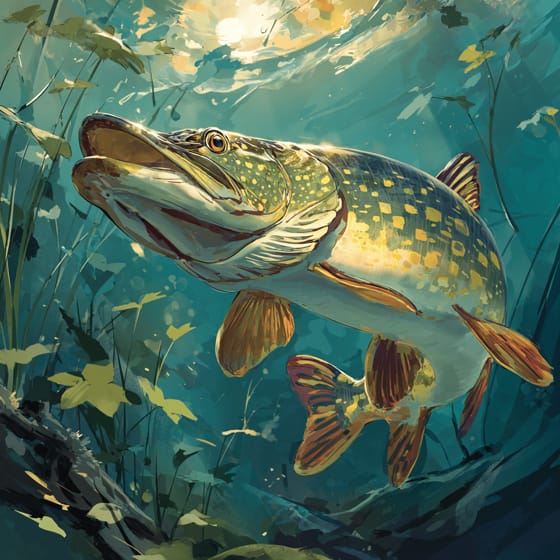
Esox lucius
Pike are predators of grebe eggs, chicks, and sometimes adults.
Procambarus clarkii
A significant food source, especially for adult grebes.
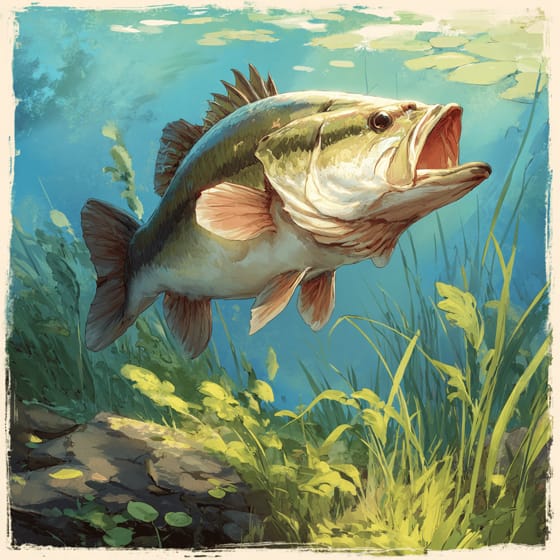
Micropterus salmoides
Large bass may prey on grebe chicks and eggs.
Typha latifolia
Provides crucial cover and nesting material in marsh habitats.
Feathered describes animals, primarily birds, possessing a covering of feathers.
Characterized by having toes connected by a membrane, typically aiding in swimming.
Social animals live in organized groups, cooperating for survival benefits such as foraging, defense, and raising offspring.
Filter feeders obtain nutrients by straining suspended food particles and small organisms from water.

Piscivorous organisms are animals that primarily subsist on a diet of fish.

This habitat trait identifies species found in wetlands, which are areas of land saturated with water, either permanently or seasonally, including marshes, swamps, and bogs.

Diurnal animals are primarily active during daylight hours, typically resting or sleeping at night.

This trait identifies organisms that exhibit exceptional swiftness in movement for hunting, escape, or travel.

Aquatic habitats encompass environments where organisms live predominantly in water, including oceans, rivers, lakes, and wetlands.
No aliases listed yet.
Danger
1/5 · Very low
Always watch birds from a distance and don't try to touch them.
The easiest way to identify Pied-billed Grebe is to use the Snappit nature identifier app.
30-38 cm
45-62 cm
0.25-0.57 kg
2-10 years
35 km/h
They dive to catch a tasty meal of aquatic insects, crustaceans, and small fish.
Wetlands
Zoom in to split clusters and explore where this object has been snapped.

California, US
You might spot Acorn Woodpecker and Western Fence Lizard.
View guide →

Oregon, US
You might spot Duck, Pacific Trillium, and Wood Duck.
View guide →

California, US
You might spot Snowy Egret, Great Blue Heron, and Willet.
View guide →

California, US
You might spot Duck, Mute Swan, and Pond Slider.
View guide →

Nebraska, US
You might spot Showy Milkweed and Straight-Lined Wave.
View guide →

Michigan, US
You might spot Bald Eagle, American White Pelican, and Painted Turtle.
View guide →
Take the discovery with you
Snap it with Snappit to identify it, learn what makes it special, and add the discovery to your collection.




.jpg&width=800)









