





Western Paper Wasp
Mischocyttarus flavitarsis
The Western Paper Wasp is a friendly-looking insect that builds nests out of paper-like material. They are usually yellow and black and can be found buzzing around flowers and gardens.
Habitat: Urban areas
The Western Paper Wasp is a slender wasp, primarily reddish-brown to black, marked with bright yellow stripes on its abdomen and a yellow face. Its long legs dangle visibly when in flight, and its wings are smoky brown, often appearing translucent. This coloring helps distinguish it from more robust, extensively yellow yellowjackets.
Category
InsectsRarity
Common
Danger
2/5 · Low
Snaps
1
The queen sometimes shares her nest-founding duties with other queens!
Unlike honey bees, paper wasps can sting many times without dying!
Western Paper Wasps can recognize the unique faces of their nest mates!
Young wasps in the nest signal hunger by scratching the walls of their cells!
Western Paper Wasps build strong, waterproof paper nests because they chew wood pulp with saliva, forming a durable material for their homes.
Western Paper Wasps can communicate danger to their colony because they release alarm pheromones, warning others of threats to the nest.
Western Paper Wasps have a painful sting that helps them defend their colony and paralyze insect prey, deterring many predators.
These wasps are omnivores, feeding on sweet nectar and sugary fluids, but also hunting insects to feed their young.
Age differences: Adults mainly consume sugars, while larvae are fed protein-rich insects by workers.

Pieris rapae
Adult wasps capture caterpillars to feed their developing larvae.
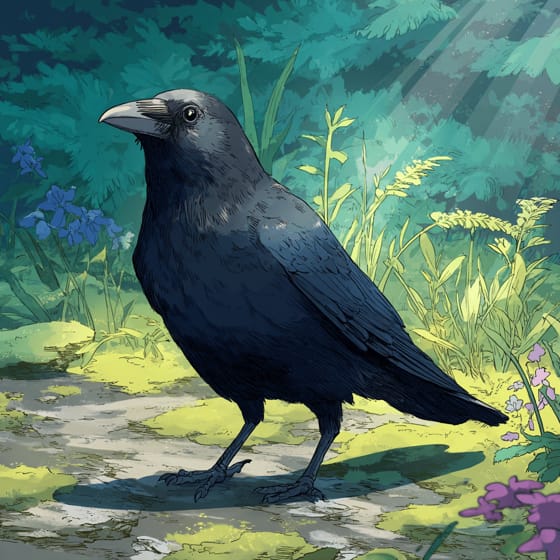
Corvus brachyrhynchos
Crows and other birds may opportunistically raid wasp nests for larvae.
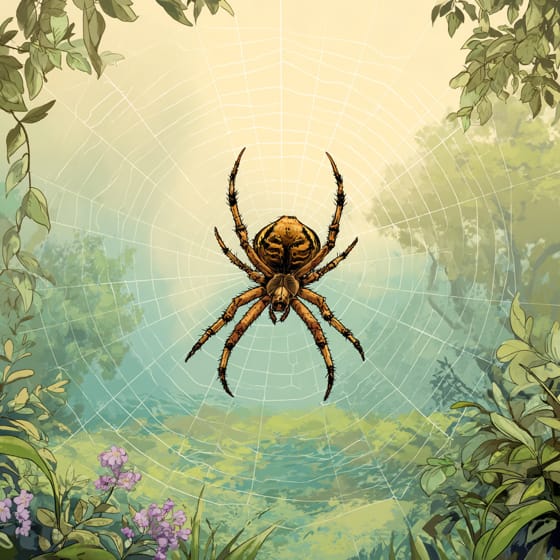
Argiope aurantia
Wasps sometimes get caught in the sticky webs of orb-weaver spiders.
Marked with parallel bands or lines of color.
Social animals live in organized groups, cooperating for survival benefits such as foraging, defense, and raising offspring.
This trait identifies organisms whose diet includes both plant and animal matter.
Colorful describes organisms or objects displaying a wide range of bright and distinct colors.

Describes plants that are particularly attractive and beneficial to a wide range of pollinating organisms.

Diurnal animals are primarily active during daylight hours, typically resting or sleeping at night.

This habitat trait indicates species that can coexist with humans in urban and suburban environments, utilizing man-made structures and green spaces.

Describes organisms that transfer pollen, enabling the fertilization and reproduction of plants.
No aliases listed yet.
Danger
2/5 · Low
Stay calm and don't swat at wasps; they usually won't bother you if you don't bother them.
The easiest way to identify Western Paper Wasp is to use the Snappit nature identifier app.
20-30 mm
13-20 mm
30-90 days
15 km/h
These wasps are omnivores, feeding on sweet nectar and sugary fluids, but also hunting insects to feed their young.
Urban areas
Pursuit and Foraging
Zoom in to split clusters and explore where this object has been snapped.
Take the discovery with you
Snap it with Snappit to identify it, learn what makes it special, and add the discovery to your collection.









.jpg&width=800)



