




Western Ponderosa Pine
Pinus ponderosa
The Western Ponderosa Pine is a tall tree with long, soft needles. It has thick, yellow-brown bark that looks like puzzle pieces. These trees are great for providing shade and homes for animals!
Habitat: Forests
The Western Ponderosa Pine has a tall, straight trunk with distinctive orange-cinnamon bark that breaks into large, scaly plates. Its long, dark green needles grow in bundles of three, creating an open, somewhat sparse crown.
Category
PlantsRarity
Common
Danger
1/5 · Very low
Snaps
12
Its cone seeds are tasty 'pine nuts' for many forest animals!
Its strong wood is a popular choice for building homes and making furniture!
The wind often 'sings' softly through its long needles on breezy days!
Tiny male cones release clouds of yellow pollen into the wind each spring!
Western Ponderosa Pine has thick, plated bark protecting its inner tissues, helping it survive many forest fires.
This pine grows a deep taproot to reach underground water, allowing it to thrive in very dry conditions.
Ponderosa Pine has long needles in bundles of three, reducing water loss and protecting against intense sun.

Sciurus aberti
prefers Ponderosa Pine seeds and inner bark as its main diet.
Dendroctonus ponderosae
larvae burrow under bark, eventually killing the tree.
Strix occidentalis
nests in large, mature Ponderosa Pine trees.
Rhizopogon vinicolor
helps tree absorb water and nutrients from soil.
Aromatic plants produce and emit fragrant volatile organic compounds, often for defense or to attract pollinators.
Shade tolerant plants are adapted to grow and thrive in areas with low light levels, requiring less direct sunlight.
Broadleaf trees are angiosperms characterized by flat, wide leaves that are typically shed annually in temperate climates.
Coniferous plants are typically evergreen, bearing needles or scales and reproductive cones.

Evergreen plants retain their foliage throughout the year, never shedding all their leaves at once.
Timber refers to wood that has been prepared for use in building and carpentry.

Forest habitats are terrestrial environments dominated by dense tree cover, supporting a high diversity of plant and animal life.

This trait characterizes organisms with an exceptionally long lifespan compared to others of their kind.

Describes a species whose presence and role have a disproportionately large effect on its environment.
No aliases listed yet.
Danger
1/5 · Very low
Stay clear of falling branches and don't climb too high in trees.
The easiest way to identify Western Ponderosa Pine is to use the Snappit nature identifier app.
3000-7000 cm
600-900 cm
Yes
None
Perennial
Wind
Forests
Zoom in to split clusters and explore where this object has been snapped.

California, US
You might spot Sequoia, California Incense-Cedar, and White Fir.
View guide →

Washington, US
You might spot Arrowleaf Balsamroot and Canada Goose.
View guide →
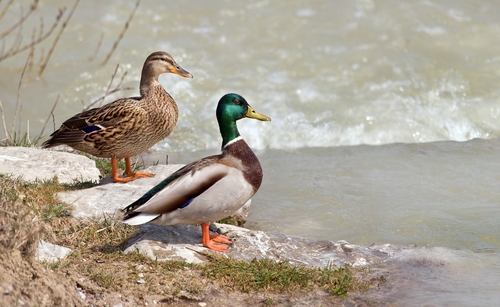
Washington, US
You might spot Duck, Yellow-Bellied Marmot, and Canada Goose.
View guide →

Montana, US
You might spot Brown Bear, Gray Wolf, and Woodland Pinedrops.
View guide →

Washington, US
You might spot Eastern Gray Squirrel, Yellow-Bellied Marmot, and Duck.
View guide →

Oregon, US
You might spot Western Ponderosa Pine and Red-Winged Blackbird.
View guide →
Take the discovery with you
Snap it with Snappit to identify it, learn what makes it special, and add the discovery to your collection.








.jpg&width=800)


_001.jpg&width=800)

