





Abert's Squirrel
Sciurus aberti
Abert's Squirrel is a cute, fluffy squirrel with big ears and a bushy tail. They love to climb trees and can often be seen playing in the branches or gathering food.
Habitat: Forests
The Abert's Squirrel is a medium-sized tree squirrel known for its distinctive long ear tufts, especially prominent in winter. Its fur is typically gray on the back with a reddish stripe, and a bright white belly. Some individuals are entirely black or melanistic.
Category
MammalsRarity
Common
Danger
1/5 · Very low
Snaps
3
Some Abert's squirrels are completely black, looking like a different animal!
Their huge fluffy tail helps them balance, steer, and keep warm!
They rely almost entirely on the Ponderosa Pine tree for food and shelter!
This squirrel is named after a naturalist, Colonel John James Abert!
Abert's Squirrel has long ear tufts that provide extra warmth and might aid in hearing subtle sounds in its forest home.
Abert's Squirrel can skillfully strip scales from Ponderosa Pine cones to reach the nutritious seeds hidden deep within.
Abert's Squirrel has an incredible sense of smell that helps it locate buried pine seeds, even under snow.
Abert's Squirrels mostly eat parts of Ponderosa Pine trees, especially their yummy seeds!
Pinus ponderosa
Abert's Squirrel depends on it for almost all its food and shelter.
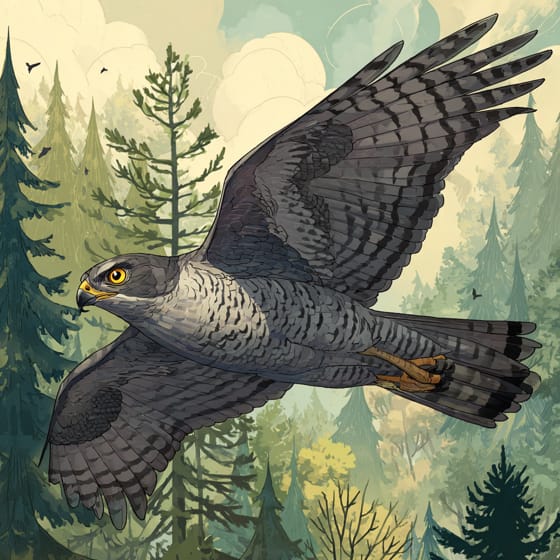
Accipiter gentilis
An agile raptor that often preys on squirrels in the forest canopy.
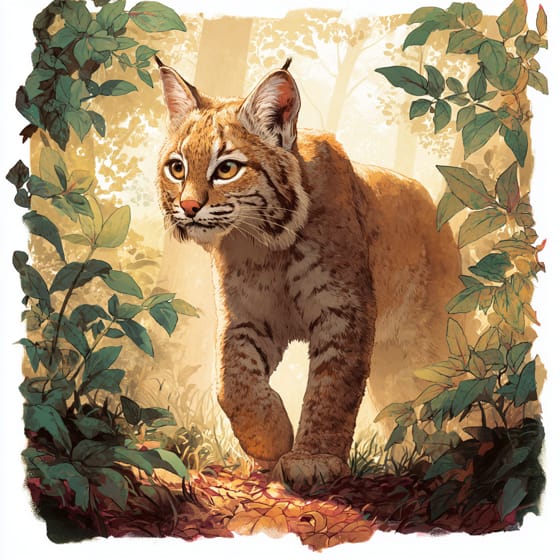
Lynx rufus
A stealthy predator that hunts these squirrels on the forest floor.
Furry describes animals possessing a dense covering of soft hair or fur.
Social animals live in organized groups, cooperating for survival benefits such as foraging, defense, and raising offspring.
Arboreal animals live primarily in trees, utilizing them for shelter, food, and protection from predators.
This trait characterizes organisms whose diet consists entirely or primarily of plant material.

Forest habitats are terrestrial environments dominated by dense tree cover, supporting a high diversity of plant and animal life.

Diurnal animals are primarily active during daylight hours, typically resting or sleeping at night.
No aliases listed yet.
Danger
1/5 · Very low
Watch squirrels from a distance and don't try to touch them, as they can be scared.
The easiest way to identify Abert's Squirrel is to use the Snappit nature identifier app.
46-58 cm
0.5-0.7 kg
4-7 years
19 km/h
Abert's Squirrels mostly eat parts of Ponderosa Pine trees, especially their yummy seeds!
Forests
Foraging
Zoom in to split clusters and explore where this object has been snapped.

New Mexico, US
You might spot Tree Cholla, Mule Deer, and Sacred Datura.
View guide →

Arizona, US
You might spot Gambel Oak and Abert's Squirrel.
View guide →

Arizona, US
You might spot Gambel Oak and Greater Short-Horned Lizard.
View guide →

Colorado, US
You might spot Mule Deer, Rubber Rabbitbrush, and Plateau Fence Lizard.
View guide →

Arizona, US
You might spot Dark-Eyed Junco and Plateau Fence Lizard.
View guide →

Arizona, US
You might spot Southwestern Ponderosa Pine and Plateau Fence Lizard.
View guide →
Take the discovery with you
Snap it with Snappit to identify it, learn what makes it special, and add the discovery to your collection.




.jpg&width=800)

.JPG&width=800)


.jpg&width=800)
