





Western Sculptured Pine Borer
Chalcophora angulicollis
The Western Sculptured Pine Borer is a special beetle that loves to live in pine trees. It has a unique sculptured body that helps it blend in with the bark of trees.
Habitat: Forests
The Western Sculptured Pine Borer is a large, sturdy beetle with a flattened body and distinctive deeply sculptured, ridged elytra. Its coloration is typically a dull bronze to black, often with a subtle metallic sheen, giving it a carved or embossed appearance.
Category
InsectsRarity
Common
Danger
1/5 · Very low
Snaps
3
Even tiny flight holes in old wood can be a secret sign these amazing beetles were once living there!
Its 'sculptured' name comes from the incredible patterns that look carved into its wing covers!
Sometimes, adult beetles emerge from furniture or house timbers decades after the wood was milled!
The powerful jaws of a larva can create tunnels inside wood as wide as your little finger!
Western Sculptured Pine Borer can tunnel deep into dead pine trees because their powerful mandibles help them chew through tough wood.
Western Sculptured Pine Borer has a textured, dark exoskeleton that helps them blend perfectly with pine bark, making them hard to spot.
Western Sculptured Pine Borer larvae can live for several years inside wood, allowing them to extract maximum nutrients from decaying trees.
Larvae feast on dead pine wood, while adults may nibble pine needles or don't feed much.
Age differences: Larvae bore into and consume dead wood; adults typically feed very little or on pine needles/bark.
Pinus ponderosa
Larvae thrive in its dead wood.
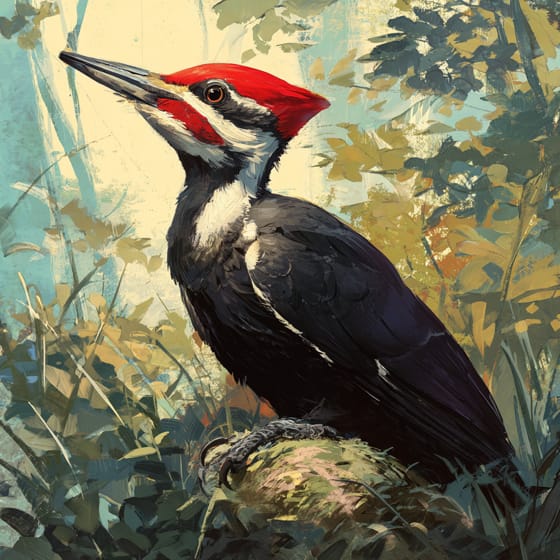
Dryocopus pileatus
Woodpeckers excavate wood to find larvae.
Atanycolus canadensis
Wasp larvae grow inside beetle larvae.
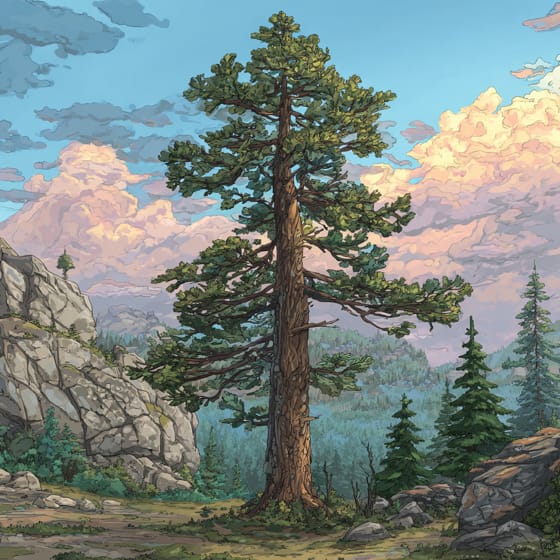
Pinus contorta
Its dead wood provides larval food.
Solitary animals live alone for most of their lives, only interacting with others for mating or parental care.
Camouflaged describes organisms that possess coloring or patterns that allow them to blend into their environment.
This trait characterizes organisms whose diet consists entirely or primarily of plant material.
Describes organisms that break down dead organic material, recycling nutrients back into the ecosystem.

Forest habitats are terrestrial environments dominated by dense tree cover, supporting a high diversity of plant and animal life.

Describes a species whose presence and role have a disproportionately large effect on its environment.
No aliases listed yet.
Danger
1/5 · Very low
It's best to look at insects from a distance and not touch them, as some can be delicate.
The easiest way to identify Western Sculptured Pine Borer is to use the Snappit nature identifier app.
20-35 mm
30-120 days
Larvae feast on dead pine wood, while adults may nibble pine needles or don't feed much.
Forests
Foraging
6
Zoom in to split clusters and explore where this object has been snapped.

California, US
You might spot Chaparral Yucca and Grinnell's Beardtongue.
View guide →

California, US
You might spot Yellow Star-Tulip and Mountain Misery.
View guide →

Arizona, US
You might spot Southwestern Ponderosa Pine and Plateau Fence Lizard.
View guide →
.jpg)
South Dakota, US
You might spot Least Chipmunk and Rocky Mountains Ponderosa Pine.
View guide →
Take the discovery with you
Snap it with Snappit to identify it, learn what makes it special, and add the discovery to your collection.








.jpg&width=800)


