





Orange Bluet
enallagma signatum
The Orange Bluet is a colorful dragonfly that loves to flutter around ponds and streams. With its bright orange and blue colors, it's like a little flying gem in nature!
Habitat: Near ponds, streams, and wetlands, often resting on plants.
The Orange Bluet is a slender damselfly, with males sporting a striking bright orange or red base to their abdomen, contrasting with a blue-tipped end and black markings. Its thorax is black with green or yellow stripes. Females are typically duller, often yellowish-brown with similar black patterns.
Category
InsectsRarity
Common
Danger
0/5 · No known danger
Snaps
8
Male Orange Bluets use their bright colors to show off and attract a mate.
Their babies, called nymphs, live underwater for up to a year before transforming!
These tiny insects have six legs, but they're mostly used for perching, not walking far!
They often fly tandem in a 'heart shape' when mating, a truly unique sight!
Orange Bluet larvae can breathe underwater using special gills that help them survive for months in ponds.
Orange Bluet has huge compound eyes that help them spot tiny flying insects from far away while hunting.
Orange Bluet can hover and dart quickly through the air, helping them catch prey and escape from predators.
Orange Bluets are tiny insect hunters, munching on small flying bugs.
Age differences: Larvae eat aquatic invertebrates; adults eat flying insects.
Anopheles quadrimaculatus
as prey for adults
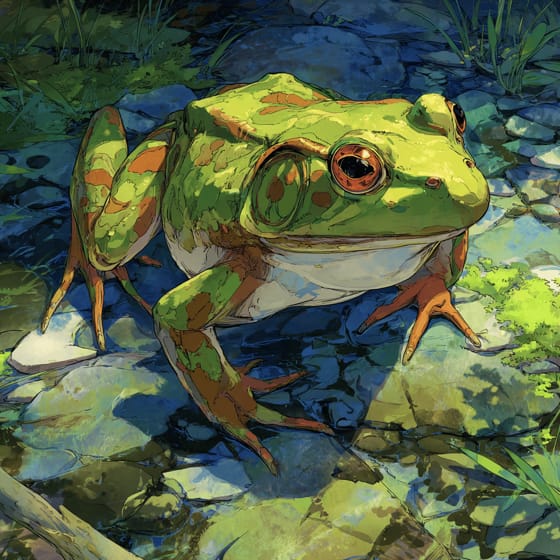
Rana catesbeiana
as a food source
Gambusia affinis
larval stage is prey
_Sabine_Woods_TX_2018-04-21_08-32-57_(28100602238).jpg&width=800)
Protonotaria citrea
provides food
Social animals live in organized groups, cooperating for survival benefits such as foraging, defense, and raising offspring.
Colorful describes organisms or objects displaying a wide range of bright and distinct colors.
Diurnal animals are primarily active during daylight hours, typically resting or sleeping at night.
Aquatic habitats encompass environments where organisms live predominantly in water, including oceans, rivers, lakes, and wetlands.

Describes organisms that transfer pollen, enabling the fertilization and reproduction of plants.
Danger
0/5 · No known danger
No special safety notes yet.
The easiest way to identify Orange Bluet is to use the Snappit nature identifier app.
35-45 mm
28-38 mm
20-45 days
5-10 km/h
Orange Bluets are tiny insect hunters, munching on small flying bugs.
Near ponds, streams, and wetlands, often resting on plants.
Pursuit
Zoom in to split clusters and explore where this object has been snapped.

Ohio, US
You might spot Bluegill, Duck, and Eastern Forktail.
View guide →

Ohio, US
You might spot Common Whitetail, Fragile Forktail, and Blue Dasher.
View guide →

Ohio, US
You might spot Eastern Pondhawk, Double-Striped Bluet, and Skimming Bluet.
View guide →

Ohio, US
You might spot Mute Swan, Turkey, and Pond Slider.
View guide →

Iowa, US
You might spot White-Tailed Deer, American Bullfrog, and Cup Plant.
View guide →
Take the discovery with you
Snap it with Snappit to identify it, learn what makes it special, and add the discovery to your collection.








.jpg&width=800)



