





Western Spotted Orbweaver
Neoscona oaxacensis
The Western Spotted Orbweaver is a colorful spider that spins beautiful webs. You can often find it in gardens and forests, where it catches bugs for dinner!
Habitat: Gardens and forests
The Western Spotted Orbweaver has a plump, oval abdomen usually reddish-brown to gray, often adorned with a distinct, jagged leaf-like pattern. Its dark cephalothorax contrasts with the lighter markings on its back, making it stand out from plain-colored spiders.
Category
InsectsRarity
Common
Danger
1/5 · Very low
Snaps
1
Female Western Spotted Orbweavers are much bigger than males, sometimes double their size!
Instead of eyes, they often use tiny vibrations in their web to find dinner!
Some orbweavers eat their old webs every morning to recycle precious silk!
Their silk is stronger than steel of the same thickness, ounce for ounce!
Western Spotted Orbweaver can weave strong, intricate orb webs because of specialized silk glands that help them catch prey.
Western Spotted Orbweaver can subtly change its body color because of pigment cells, which helps them blend into their surroundings.
Western Spotted Orbweaver can hunt effectively in the dark because of excellent vibration sensitivity that helps them detect prey.
These expert web-builders primarily munch on flying insects caught in their intricate silk traps.

Sialia mexicana
Birds often snatch them from webs.
Musca domestica
Traps flies in its sticky orb web.
Agrotis ipsilon
Nocturnal moths are common web prey.
Zatypota albicoxa
Wasp larvae eat the spider.
Marked with spots or patches of a different color.
Solitary animals live alone for most of their lives, only interacting with others for mating or parental care.
This trait characterizes organisms that construct elaborate silken webs for catching prey, shelter, or reproduction.
Colorful describes organisms or objects displaying a wide range of bright and distinct colors.

This trait identifies organisms whose diet primarily consists of insects and other small invertebrates.

Forest habitats are terrestrial environments dominated by dense tree cover, supporting a high diversity of plant and animal life.

This trait identifies organisms whose diet consists entirely or primarily of animal tissue.

Diurnal animals are primarily active during daylight hours, typically resting or sleeping at night.
No aliases listed yet.
Danger
1/5 · Very low
It's best to watch spiders from a distance and not touch them.
The easiest way to identify Western Spotted Orbweaver is to use the Snappit nature identifier app.
5-20 mm
180-365 days
These expert web-builders primarily munch on flying insects caught in their intricate silk traps.
Gardens and forests
Ambush
8
Zoom in to split clusters and explore where this object has been snapped.

New Mexico, US
You might spot Sunflower, Sideoats Grama, and Tree Cholla.
View guide →
Washington, US
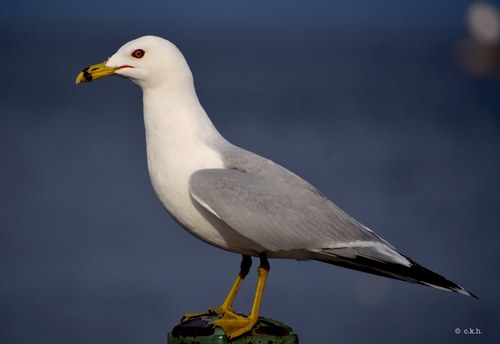
You might spot Ring-Billed Gull, Canada Goose, and Northern Saw-Whet Owl.
View guide →
Take the discovery with you
Snap it with Snappit to identify it, learn what makes it special, and add the discovery to your collection.








.jpg&width=800)


