





western white pine
Pinus monticola
The western white pine is a tall tree with long, soft needles. It grows in beautiful forests and provides homes for many animals. Its wood is strong and light, making it useful for building things.
Habitat: Forests
The western white pine is a tall, slender evergreen conifer with a narrow, pointed crown. It has smooth, gray bark on young trees that becomes fissured and purplish-brown with age. Its soft, blue-green needles grow in distinctive bundles of five, and its long, slender cones are often sticky with resin.
Category
PlantsRarity
Common
Danger
1/5 · Very low
Snaps
4
Historically, this tree was highly valued for making tall ship masts.
It's easy to identify, as its soft needles always come in bundles of five!
Its light, strong wood is prized for making musical instruments and furniture.
The sticky resin from its cones was traditionally used for various purposes.
Western white pine can grow super tall, reaching for sunlight even in crowded forests.
Western white pine has waxy, flexible needles that help it hold onto water and resist cold winds.
Western white pine can grow in poor, rocky soils thanks to its strong and adaptable root system.

Sciurus griseus
eats the seeds from its cones
Strix occidentalis
nests in mature western white pine trees
Cronartium ribicola
a fungal disease that infects the tree's bark
Rhizopogon vinicolor
forms mycorrhizal associations with its roots
Broadleaf trees are angiosperms characterized by flat, wide leaves that are typically shed annually in temperate climates.
Coniferous plants are typically evergreen, bearing needles or scales and reproductive cones.
Evergreen plants retain their foliage throughout the year, never shedding all their leaves at once.
Nut bearing plants produce hard-shelled fruits, commonly known as nuts, which contain a single seed and are a valuable food source.

Describes plants that are particularly attractive and beneficial to a wide range of pollinating organisms.

Timber refers to wood that has been prepared for use in building and carpentry.

Forest habitats are terrestrial environments dominated by dense tree cover, supporting a high diversity of plant and animal life.

This trait characterizes organisms with an exceptionally long lifespan compared to others of their kind.

Describes a species whose presence and role have a disproportionately large effect on its environment.
No aliases listed yet.
Danger
1/5 · Very low
Stay away from the tree's sharp cones and branches.
The easiest way to identify western white pine is to use the Snappit nature identifier app.
3000-6000 cm
600-1200 cm
Spring
Yes
None
Perennial
Wind
Zoom in to split clusters and explore where this object has been snapped.
British Columbia, CA
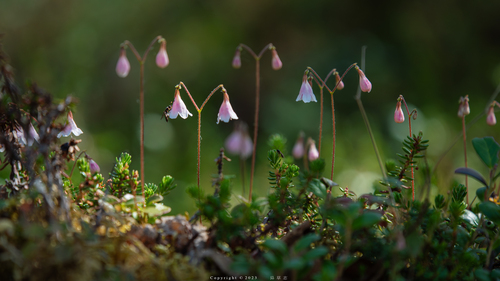
You might spot Twinflower and Western Rattlesnake Plantain.
View guide →

California, US
You might spot Snowplant and Pretty Jacob's-Ladder.
View guide →

California, US
You might spot California Ground Squirrel and Western Fence Lizard.
View guide →

British Columbia, CA
You might spot Common Bracken, Vanilla Leaf, and Western Sword Fern.
View guide →
Take the discovery with you
Snap it with Snappit to identify it, learn what makes it special, and add the discovery to your collection.








.jpg&width=800)


_001.jpg&width=800)


