





Western Hemlock
Mehatl Creek Provincial Park, nestled within the majestic Lillooet Ranges of British Columbia, offers a truly rugged and serene escape for those seeking profound wilderness immersion.
Mehatl Creek Provincial Park, nestled within the majestic Lillooet Ranges of British Columbia, offers a truly rugged and serene escape for those seeking profound wilderness immersion. This remote park, a vital part of a larger protected corridor including Nahatlatch and Stein Valley Nlaka'pamux Heritage Parks, boasts breathtaking alpine ridges, pristine old-growth forests, and the captivating Mehatl Falls. It's a landscape where the coastal and interior characteristics of BC converge, creating a rich and diverse ecosystem. Here, visitors can discover towering western redcedar and western hemlock, alongside the robust Douglas-fir, painting a verdant picture of untouched nature.
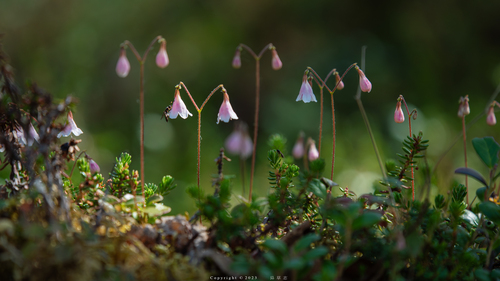
The park is a haven for an impressive array of flora and fauna, making it an exceptional destination for nature appreciation and wildlife viewing. The lower elevations are characterized by majestic stands of coastal western hemlock and interior Douglas fir, while higher up, Englemann spruce and subalpine fir dominate, transitioning into alpine tundra. Beyond the grand trees, keen observers might spot delicate bog wintergreen, the vibrant Bride's Bonnet, or the subtle beauty of Twinflower and Western Rattlesnake Plantain. The Mehatl Creek itself is crucial, protecting chinook, bull trout, and rainbow trout spawning and rearing habitats, while parts of the park are also vital breeding and nesting grounds for harlequin ducks. The valley serves as prime habitat for larger wildlife such as grizzly bears, black bears, cougars, wolves, lynx, mountain goats, and mule deer, alongside the elusive spotted owl.
Visiting Mehatl Creek Provincial Park is an unforgettable journey into an untamed wilderness, ideal for those who cherish solitude and possess excellent backcountry skills. It promises a rare opportunity to connect with nature on its own terms, far from the conveniences of urban life. The stunning Mehatl Falls and Mehatl Cascades provide spectacular photographic opportunities, while the vast, undeveloped expanse invites exploration and contemplation. This park stands as a testament to British Columbia's commitment to preserving its natural heritage, offering an authentic wilderness experience that is both challenging and profoundly rewarding. Wondering what that bird or insect is? Find out on your visit using the Snappit nature app.
Mehatl Creek Provincial Park was officially designated park status in July 1999. The land holds deep historical significance as the traditional territory of the Nlaka'pamux Nation, who have occupied the area for thousands of years. Oral history indicates that the Mehatl Creek region once served as an important trade route for the Nlaka'pamux with the Mt. Currie First Nations. The park's establishment aimed to protect the largely undisturbed Mehatl Creek drainage, preserving its natural environment and ecological integrity, and fostering a valuable corridor between three significant watersheds in conjunction with the adjacent Nahatlatch and Stein Valley Nlaka'pamux Heritage Parks.
Hiking: An established 3 km trail leads along the creek to the Mehatl Cascades. Beyond this, unmarked trails require excellent route-finding skills and wilderness experience to reach the falls or traverse alpine ridges.
Nature Appreciation & Wildlife Viewing: Observe the park's diverse ecosystems and keep an eye out for harlequin ducks, grizzly bears, black bears, cougars, and a variety of other species.
Fishing: Trout fishing is possible in the lower creek below the falls.
Kayaking: For the very experienced, extreme whitewater kayaking opportunities exist on the creek below the falls.
Summer (June-September): Most accessible and suitable for hiking and other outdoor activities.
Winter: Can be harsh with heavy snowfall, limiting access and potentially closing parts of the park.
Animal activity: Wildlife is present year-round, but bears are more active during warmer months; visitors should be bear-aware.
Mehatl Creek Provincial Park is largely undeveloped, isolated, and lacks signposts or trail guides. There are no paved trails or specific wheelchair accessibility features. Visitors should be prepared for a rugged, wilderness experience.
A stunning series of waterfalls offering dramatic scenic views and photographic opportunities.
Explore diverse forest ecosystems featuring ancient western redcedar, western hemlock, and Douglas-fir.
For experienced adventurers, these areas provide incredible vistas and challenging terrain.
Supports vital fish habitats for chinook, bull trout, and rainbow trout.
Each card links to a full Explore page with photos, traits, and fun facts.
Start with the big picture, then zoom in to explore individual wildlife observations around this place.
Be prepared for wilderness
The park is undeveloped and unpatrolled; carry appropriate gear, emergency supplies, and a means of communication.
Possess strong navigation skills
Beyond the initial trail, route-finding is essential. Bring maps, a compass, and a GPS device, and know how to use them.
Practice bear safety
The park is prime habitat for bears. Make noise while hiking, carry bear spray, and properly store all food in bear-resistant containers.
Allow ample travel time
The Nahatlatch Forest Service Road is rough and can be challenging to navigate; a 4x4 vehicle may be advisable, especially after rain.
Pack out everything you pack in
Adhere strictly to Leave No Trace principles to preserve the pristine environment.
Check conditions before you go
Verify road conditions, weather forecasts, and any potential advisories, especially for more remote areas.
Recent snaps will appear here as new observations are added.

Maryland, US
You might spot White-Tailed Deer and Eastern Gray Squirrel.
View guide →
.jpg)
District of Columbia, US
You might spot Eastern Gray Squirrel, Duck, and House Sparrow.
View guide →

Illinois, US
You might spot American Robin, Canada Goose, and House Sparrow.
View guide →

Virginia, US
You might spot Spotted Lanternfly and Northern Cardinal.
View guide →
Take the discovery with you
Identify the wildlife you spot, learn as you go, and keep a collection of the adventure.


