.jpg&width=800)





white baneberry
Actaea pachypoda
White baneberry is a pretty plant with white berries that look like little pearls! It grows in shady forests and is loved by many creatures, but it's important to be careful around it.
Habitat: Forests
The white baneberry has striking clusters of bright white berries, each with a distinctive dark "pupil" scar, making them resemble doll's eyes. It features small, fuzzy white flowers in spring, followed by these unique berries held on thick, often reddish stalks.
Category
PlantsRarity
Common
Danger
5/5 · Extreme
Snaps
7
Also called "Doll's Eyes," its berries truly resemble tiny porcelain doll eyes. Cool!
Eating just six white baneberry berries can be fatal to a human! Wow!
Native Americans once used small amounts of its roots as a powerful heart medicine. Amazing!
The plant's berries contain a fast-acting toxin that quickly slows the heart if ingested. Scary!
White baneberry has highly poisonous berries and leaves, protecting it from most animals who might try to eat it.
Its bright white berries with dark tips look like eyes, possibly warning predators to stay away from the plant.
This plant has strong perennial roots that help stabilize forest soil and prevent erosion in its woodland habitat.
Bombus impatiens
Visits flowers to collect nectar and pollen, aiding reproduction.
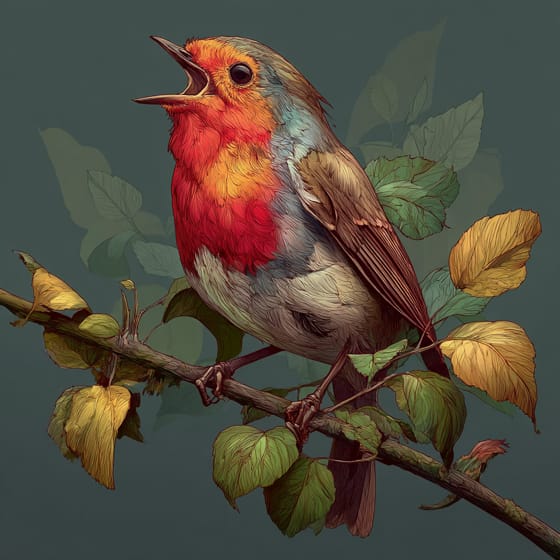
Turdus migratorius
Eats berries, unaffected by toxins, dispersing seeds to new areas.
Apis mellifera
Collects nectar and pollen, assisting in plant reproduction.
Deciduous plants periodically shed all their leaves, typically during autumn or dry seasons.
Flowering plants are any plants that produce flowers as part of their reproductive cycle.
Shade tolerant plants are adapted to grow and thrive in areas with low light levels, requiring less direct sunlight.
Spring blooming plants produce their flowers during the spring season, often signifying the end of winter and the start of new growth.

Fruit-bearing plants produce fruits, which are the mature ovaries of flowering plants containing seeds.

Medicinal plants possess chemical compounds that can be used for therapeutic purposes to treat illnesses or maintain health.

Forest habitats are terrestrial environments dominated by dense tree cover, supporting a high diversity of plant and animal life.

Poisonous organisms produce toxins that can cause harm when ingested, inhaled, or absorbed through contact.

Endangered status indicates a species is at a very high risk of extinction in the wild in the near future.
No aliases listed yet.
Danger
5/5 · Extreme
Never touch or eat the berries, as they can make you very sick.
The easiest way to identify white baneberry is to use the Snappit nature identifier app.
30-90 cm
30-60 cm
0.5-1 cm
Late spring to early summer
No
Deadly
Perennial
Zoom in to split clusters and explore where this object has been snapped.

Rhode Island, US
You might spot Common Mugwort, Duck, and Azure Bluet.
View guide →

Vermont, US
You might spot Eastern White Pine, Staghorn Sumac, and Box Elder.
View guide →

Michigan, US
You might spot Yellow Lady's Slipper and Ring-Billed Gull.
View guide →

Wisconsin, US
You might spot Eastern Redcedar, Rock Polypody, and Vulture.
View guide →

Wisconsin, US
You might spot American Cancer-Root and Eastern White Pine.
View guide →

Rhode Island, US
You might spot Azure Bluet, Eastern White Pine, and Mapleleaf Viburnum.
View guide →
Take the discovery with you
Snap it with Snappit to identify it, learn what makes it special, and add the discovery to your collection.






.jpg&width=800)



_001.jpg&width=800)



