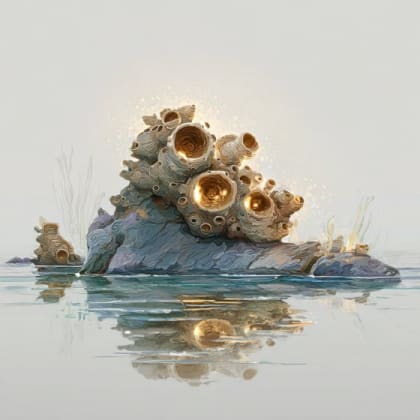
_-_Unionidae_-_Mollusc_shell.jpeg&width=800)





White Heelsplitter
Lasmigona complanata
The White Heelsplitter is a special kind of freshwater mussel that helps keep rivers clean. It has a smooth, shiny shell that can be white or light-colored, making it look beautiful in the water.
Habitat: Freshwater rivers and streams
The White Heelsplitter has a smooth, oval shell that can grow quite large, often yellowish-brown or greenish on the outside. Its inner shell, where the two halves meet, is usually shiny white or bluish-white, making it distinct from many other mussels.
Category
InvertebrateRarity
Common
Danger
1/5 · Very low
Snaps
Be the first to snap!
A single White Heelsplitter can filter dozens of gallons of water every day – like a natural water treatment plant!
Did you know, some mussels can live longer than your grandparents – over 50 years old!
Mussels don't have eyes or ears, but they can still sense changes in water quality around them!
Their babies, called glochidia, are so tiny they look like specks of dust in the water!
White Heelsplitter can clean the water by filter-feeding because it sifts out tiny bits of food, making the water clearer for other animals.
White Heelsplitter has a strong muscular 'foot' that helps them burrow into the sand or mud, staying safe from predators and currents.
White Heelsplitter's microscopic babies can attach to fish gills, catching a free ride to new places and spreading their population.
Tiny bits of algae, bacteria, and other particles scooped from the water.
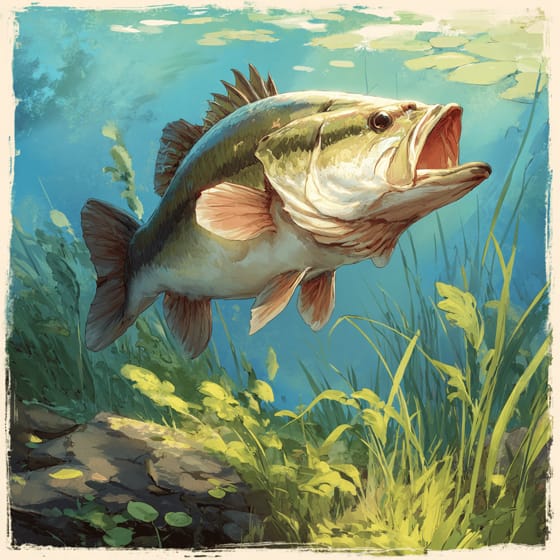
Micropterus salmoides
Their larvae attach to the fish's gills for a period of development.

Procyon lotor
Raccoons often pry open and eat these mussels found near the shore.
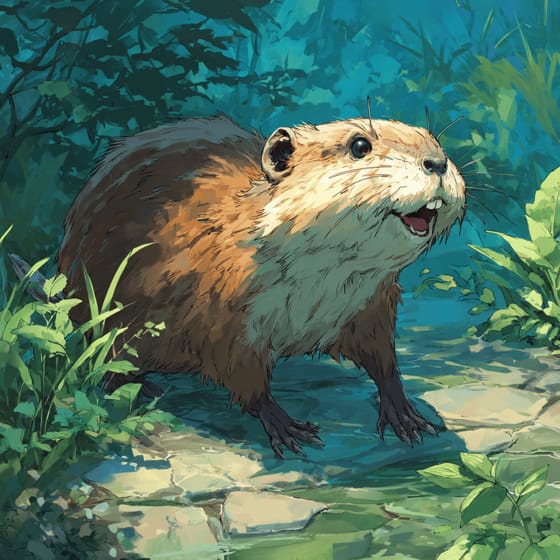
Ondatra zibethicus
Muskrats consume mussels, leaving piles of shells behind after feeding.
Solitary animals live alone for most of their lives, only interacting with others for mating or parental care.
Colorful describes organisms or objects displaying a wide range of bright and distinct colors.
Filter feeders obtain nutrients by straining suspended food particles and small organisms from water.
This trait characterizes organisms whose diet consists entirely or primarily of plant material.

This trait characterizes organisms with an exceptionally long lifespan compared to others of their kind.

Freshwater habitats include non-saline aquatic environments such as rivers, lakes, ponds, and wetlands, vital for numerous species.

Describes a species whose presence and role have a disproportionately large effect on its environment.

Aquatic habitats encompass environments where organisms live predominantly in water, including oceans, rivers, lakes, and wetlands.

Endangered status indicates a species is at a very high risk of extinction in the wild in the near future.
No aliases listed yet.
Danger
1/5 · Very low
Always wash your hands after touching water or mud where mussels live.
The easiest way to identify White Heelsplitter is to use the Snappit nature identifier app.
10 cm
150 g
35 years
Tiny bits of algae, bacteria, and other particles scooped from the water.
Freshwater rivers and streams
Filter Feeding
Zoom in to split clusters and explore where this object has been snapped.
Recent snaps will appear here as new observations are added.
Take the discovery with you
Snap it with Snappit to identify it, learn what makes it special, and add the discovery to your collection.