





White nemophila
Nemophila heterophylla
The White Nemophila is a beautiful flower with delicate white petals and a cheerful look. It loves to grow in sunny places and can brighten up gardens and fields.
Habitat: Grasslands
The White nemophila has delicate, cup-shaped flowers, typically brilliant white. Its five petals are often adorned with subtle purple spots or dark veins near the center, creating a striking contrast. It visually differs from similar plants by these intricate markings and its low-growing habit.
Category
PlantsRarity
Common
Danger
1/5 · Very low
Snaps
1
Its name 'Nemophila' means 'lover of groves', because it likes shady, wooded spots.
Some white nemophila flowers have tiny purple spots or veins inside, like secret patterns!
The delicate white petals often form a shallow cup, perfect for catching morning dew.
These plants can grow so thickly they look like a soft, white carpet across the ground!
White nemophila can quickly produce and scatter its seeds, helping it spread widely and colonize new suitable areas each year.
This flower often has subtle lines or dots on its petals that guide insects directly to its nectar and pollen, ensuring efficient pollination.
White nemophila grows, blooms, and sets seed all within one season, allowing it to complete its life cycle quickly before conditions change.
Apis mellifera
collects nectar and pollen, aiding reproduction
Bombus vosnesenskii
visits flowers for nectar, helping spread pollen
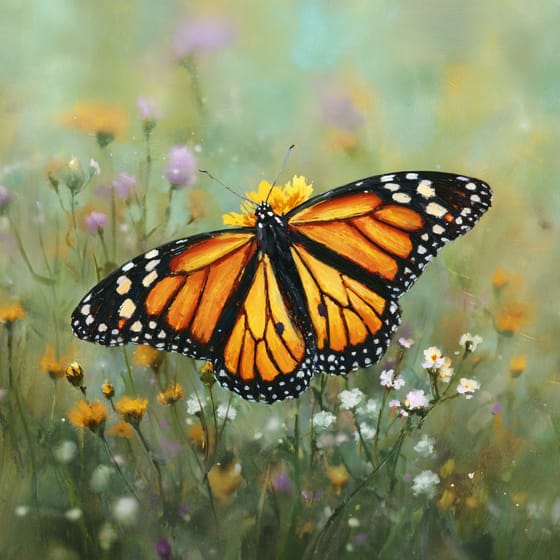
Danaus plexippus
feeds on nectar, assisting in plant propagation
Flowering plants are any plants that produce flowers as part of their reproductive cycle.
Ornamental plants are cultivated primarily for their aesthetic appeal, enhancing landscapes and gardens with their attractive foliage, flowers, or form.
Spring blooming plants produce their flowers during the spring season, often signifying the end of winter and the start of new growth.
Grassland habitats are terrestrial biomes dominated by grasses and herbaceous plants, supporting a variety of grazing animals.

Describes plants that are particularly attractive and beneficial to a wide range of pollinating organisms.
No aliases listed yet.
Danger
1/5 · Very low
Always look but don't pick flowers, so everyone can enjoy them!
The easiest way to identify White nemophila is to use the Snappit nature identifier app.
10-30 cm
15-30 cm
1.5-3 cm
Spring
No
None
Annual
Zoom in to split clusters and explore where this object has been snapped.
Take the discovery with you
Snap it with Snappit to identify it, learn what makes it special, and add the discovery to your collection.





.JPG)




.jpg&width=800)



_001.jpg&width=800)




