





two-color rabbit tobacco
Pseudognaphalium biolettii
Two-color rabbit tobacco is a special plant with fluffy white flowers and green leaves. It grows in sunny places and is loved by butterflies and bees!
Habitat: Grasslands
The two-color rabbit tobacco has soft, woolly stems and leaves, appearing silvery-white underneath and dull green on top. Its small, clustered flowers are a creamy yellowish-white, creating a fuzzy, cotton-like appearance.
Category
PlantsRarity
Common
Danger
1/5 · Very low
Snaps
2
It can be found in diverse places, from sunny fields to rocky hillsides!
Its soft, woolly leaves feel just like actual rabbit fur!
Some people make a soothing herbal tea from its dried leaves!
This plant's fluffy seeds float on the wind like tiny parachutes!
Two-color rabbit tobacco has fuzzy, white hairs that reflect harsh sunlight and help it save precious water in dry places.
Two-color rabbit tobacco produces hundreds of tiny seeds, making sure new plants can grow in many different spots.
Two-color rabbit tobacco can grow in poor or disturbed soils, quickly colonizing open areas where other plants struggle.
Apis mellifera
Visits flowers for nectar and pollen
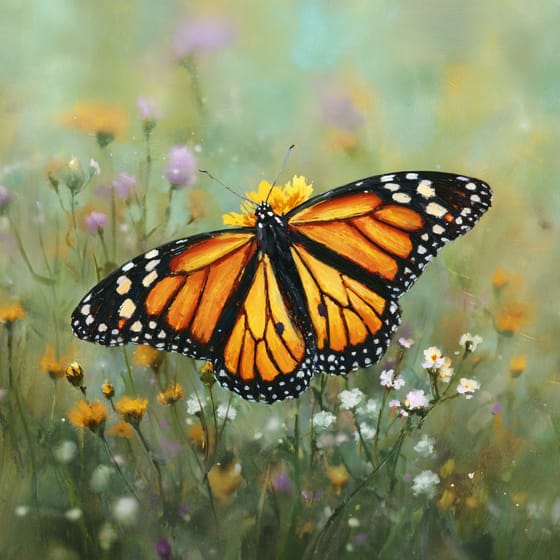
Danaus plexippus
Feeds on nectar from its small flowers
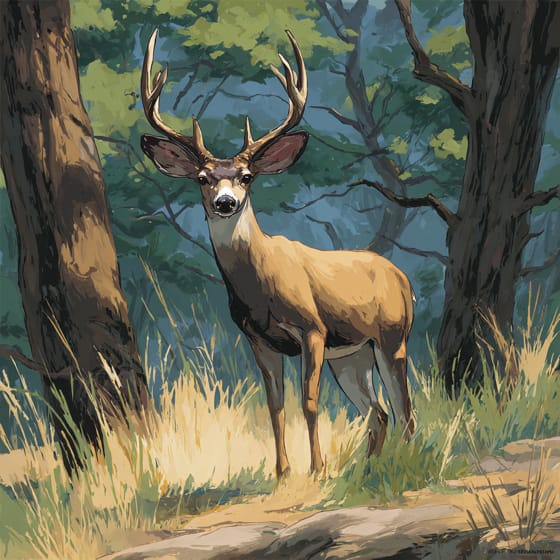
Odocoileus hemionus
Browses its leaves and stems
Deciduous plants periodically shed all their leaves, typically during autumn or dry seasons.
Flowering plants are any plants that produce flowers as part of their reproductive cycle.
Summer blooming plants produce their flowers during the summer season, often providing vibrant color when many other plants have finished.
Fragrant flowers emit a pleasant aroma, often to attract pollinators or for defense.

Grassland habitats are terrestrial biomes dominated by grasses and herbaceous plants, supporting a variety of grazing animals.

Describes plants that are particularly attractive and beneficial to a wide range of pollinating organisms.

Rapid growing plants exhibit accelerated growth rates, quickly increasing in size and biomass within a short period.
No aliases listed yet.
Danger
1/5 · Very low
Always look but don't touch wild plants unless a grown-up says it's okay.
The easiest way to identify two-color rabbit tobacco is to use the Snappit nature identifier app.
20-60 cm
10-30 cm
0.3-0.5 cm
Summer to fall
No
None
Annual
Zoom in to split clusters and explore where this object has been snapped.
Take the discovery with you
Snap it with Snappit to identify it, learn what makes it special, and add the discovery to your collection.








.jpg&width=800)


_001.jpg&width=800)




