.jpg&width=800)





small balsam
Impatiens parviflora
Small balsam is a lovely little plant with bright yellow flowers. It grows in shady places and is often found in forests. Its flowers attract bees and butterflies, making it a cheerful sight in nature.
Habitat: Forests
The small balsam has distinctive translucent, pale green stems and small, pale yellow flowers, often with a reddish spot and a long curved spur. Its oval, serrated leaves are arranged oppositely, making it visually distinct from many common wildflowers due to its delicate, see-through appearance.
Category
PlantsRarity
Common
Danger
1/5 · Very low
Snaps
Be the first to snap!
It arrived in Europe from Central Asia, likely escaping from gardens to grow wild.
Its stems are so clear, you can almost see water moving through them!
The plant's name 'Impatiens' means impatient, a nod to its exploding seed pods!
This plant can grow almost anywhere, even in neglected, damp, and shady spots!
Small balsam can launch its seeds up to several meters away by exploding its ripe seed pods, helping it spread far and wide.
Small balsam has a super-fast growth rate and can thrive in deep shade, allowing it to quickly outcompete other plants.
Bombus terrestris
collects nectar from flowers
Apis mellifera
visits flowers for nectar
Arion lusitanicus
eats leaves and young shoots
Flowering plants are any plants that produce flowers as part of their reproductive cycle.
Biennial plants complete their life cycle over two growing seasons, typically forming foliage in the first year and flowering/seeding in the second.
Shade tolerant plants are adapted to grow and thrive in areas with low light levels, requiring less direct sunlight.
Fragrant flowers emit a pleasant aroma, often to attract pollinators or for defense.

Colorful describes organisms or objects displaying a wide range of bright and distinct colors.

Describes plants that are particularly attractive and beneficial to a wide range of pollinating organisms.

Forest habitats are terrestrial environments dominated by dense tree cover, supporting a high diversity of plant and animal life.
No aliases listed yet.
Danger
1/5 · Very low
Always look but don't touch the plants in nature, as some can be delicate.
The easiest way to identify small balsam is to use the Snappit nature identifier app.
30-80 cm
20-40 cm
1-2 cm
Summer to early autumn
Yes
None
Annual
Zoom in to split clusters and explore where this object has been snapped.
Recent snaps will appear here as new observations are added.

British Columbia, CA
You might spot Herb Robert, Western Redcedar, and Thimbleberry.
View guide →
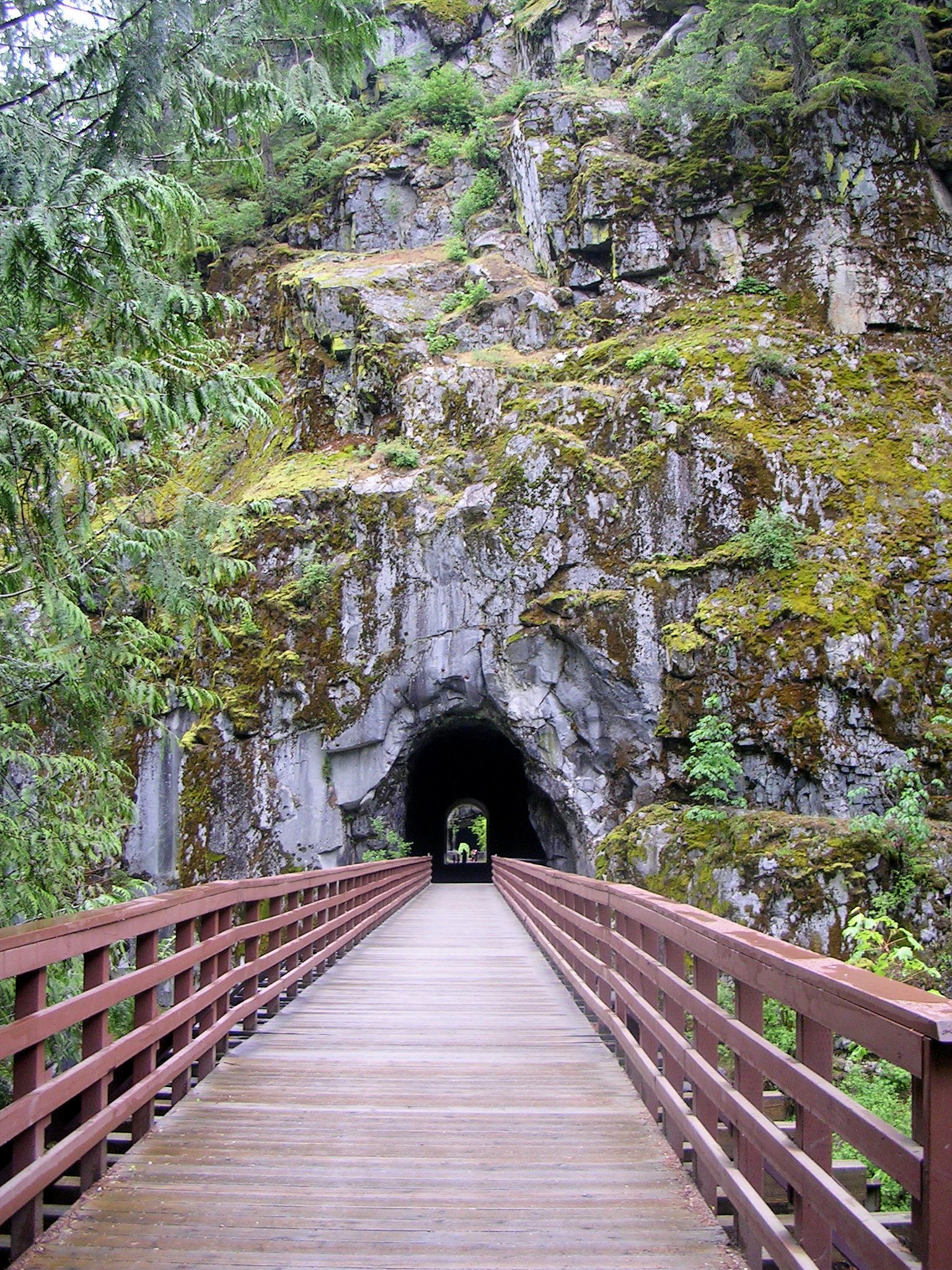
British Columbia, CA
You might spot Western Sword Fern, Vine Maple, and Thimbleberry.
View guide →
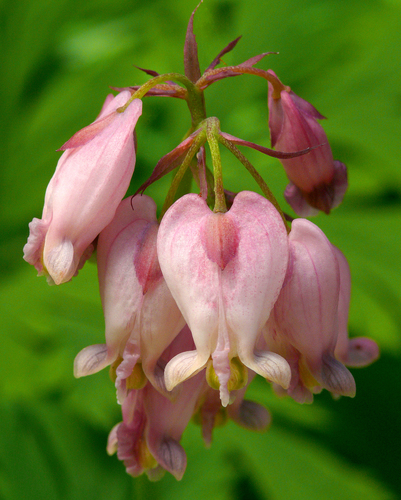
British Columbia, CA
You might spot Pacific Bleeding Heart, Tansy, and Western Sword Fern.
View guide →
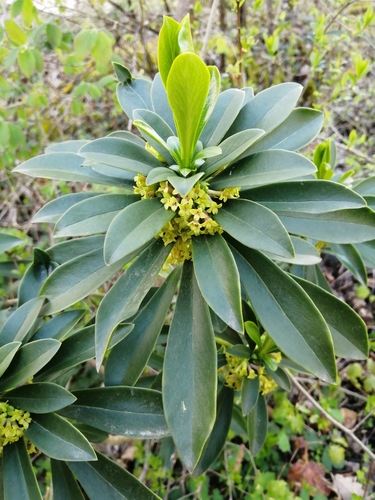
British Columbia, CA
You might spot Spurge-Laurel and Common Wall Lizard.
View guide →
Take the discovery with you
Snap it with Snappit to identify it, learn what makes it special, and add the discovery to your collection.







.jpg&width=800)


_001.jpg&width=800)



