





tall flatsedge
Cyperus eragrostis
Tall flatsedge is a grassy plant that grows in wet areas like marshes and along rivers. It has long, slender stems and can be found in many places, making it a friendly plant for nature explorers!
Habitat: Wetlands
The tall flatsedge has bright green, grass-like leaves and distinctive triangular stems. Its unique umbrella-shaped clusters of small, greenish-brown spikelets bloom at the top, making it stand out from true grasses.
Category
PlantsRarity
Common
Danger
1/5 · Very low
Snaps
5
Globally, there are hundreds of different types of flatsedges, all belonging to the Cyperus family!
Its stems are famously triangular, not round like most grasses—feel it between your fingers!
Some related species are called 'nutgrasses' because they grow edible underground tubers, like tiny nuts!
The 'flatsedge' part of its name comes from how its small, flat seeds are shaped!
Tall flatsedge can grow in both wet and moist soils, allowing it to thrive in many watery places.
Tall flatsedge has triangular-shaped stems that make it extra strong and resistant to bending in strong winds or currents.
Tall flatsedge produces many seeds that can float on water, helping it spread its offspring to new watery homes.
Anas platyrhynchos
Seeds provide food for waterfowl.
.jpg&width=800)
Fulica americana
Coots forage on its seeds and plant material.
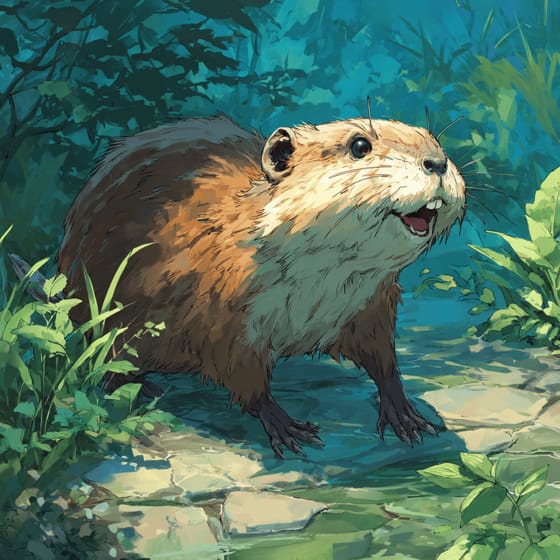
Ondatra zibethicus
Muskrats may consume its rhizomes and stems.
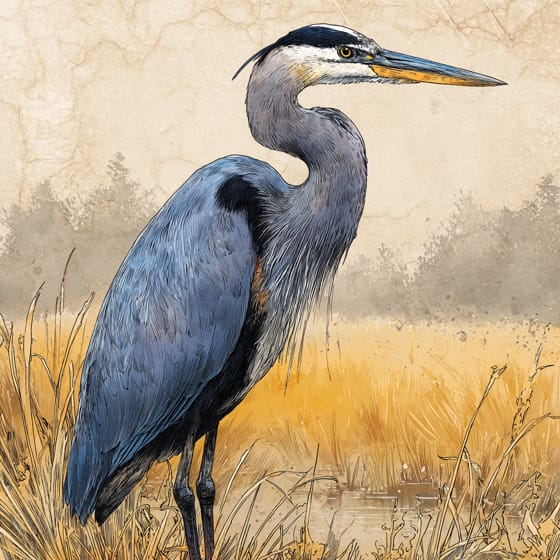
Ardea herodias
Herons use its dense growth for hunting cover.
Ornamental plants are cultivated primarily for their aesthetic appeal, enhancing landscapes and gardens with their attractive foliage, flowers, or form.
Grass-like plants are herbaceous plants that visually resemble true grasses, typically having long, narrow leaves.
Rapid growing plants exhibit accelerated growth rates, quickly increasing in size and biomass within a short period.
This habitat trait identifies species found in wetlands, which are areas of land saturated with water, either permanently or seasonally, including marshes, swamps, and bogs.
No aliases listed yet.
Danger
1/5 · Very low
Always look but don't touch plants without asking an adult, as some may be prickly or cause allergies.
The easiest way to identify tall flatsedge is to use the Snappit nature identifier app.
30-100 cm
20-40 cm
0.3-1 cm
Summer to fall
No
None
Perennial
Zoom in to split clusters and explore where this object has been snapped.

California, US
You might spot Western Fence Lizard and Pacific Poison Oak.
View guide →

California, US
You might spot Mule Deer, Turkey, and Duck.
View guide →

California, US
You might spot Hilton's Aeolid and Opalescent Nudibranch.
View guide →

California, US
You might spot Horse-Fly Carpenter Bee and Anna's Hummingbird.
View guide →

California, US
You might spot Pacific Madrone and Pacific Bleeding Heart.
View guide →
Take the discovery with you
Snap it with Snappit to identify it, learn what makes it special, and add the discovery to your collection.









.jpg&width=800)



_001.jpg&width=800)




